ALBUM REVIEW
Cutterred Flesh – The Shapes of Hidden Malice
Brutal death metal meets dark horror stories.
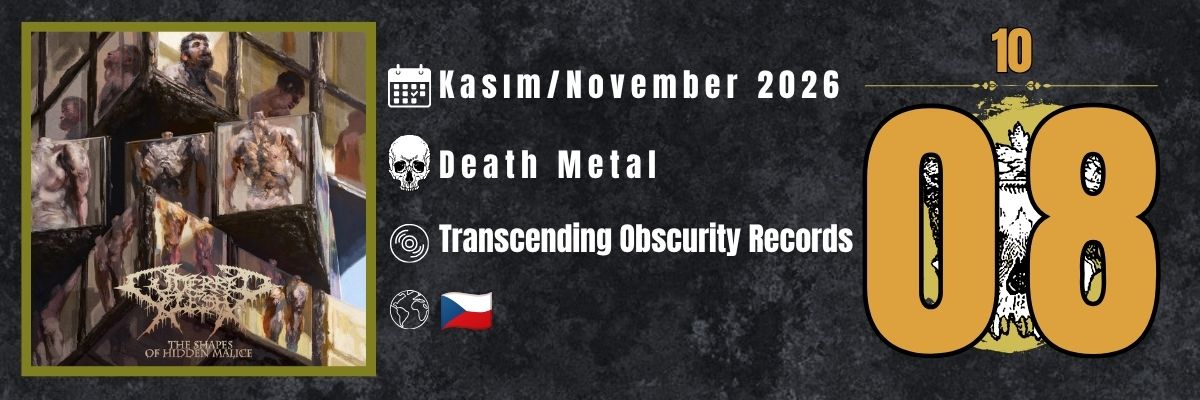
Hey everyone, what’s up? Unfortunately, I’m still sticking to the same old standards. Looks like I’m not going to be able to bring any novelty into my life, I guess. Well, let’s see what happens. Now, folks, you’re in luck because before I get into my review of this album, these brave warriors will be taking the stage at Bosphorus Open Air this September. I’d really love to see you there as well. Our team will be there too. Come say hi and don’t be shy about giving us a shout. With that said, let’s get into the album.
Formed in the Czech Republic in 2001, Cutterred Flesh continue on their way without slowing down. Their seventh full-length, The Shapes of Hidden Malice, delivers some fine death metal. But once we lift the lid and step inside, it doesn’t take long to realize that this isn’t your ordinary brutal death metal album.
One of the album’s two video tracks, The Mad Farmstead, honestly didn’t excite me much the first time around. When I watched it with the video, I found the song a little bland. Maybe the AI used in the video stood out to me too much and kept me from getting into the song. Who knows, perhaps I wouldn’t have had that prejudice if they had gone with an anime aesthetic. But after listening to the entire album, I realized I had been wrong. It’s clear that the song is built around a progressive structure. The screams and various vocal techniques are quite successful. The piano layered underneath adds a nice ambience to the track and fits the story’s dark atmosphere. Within the first few minutes of the album, we start to realize that Cutterred Flesh aren’t pursuing brutality as an end in itself.
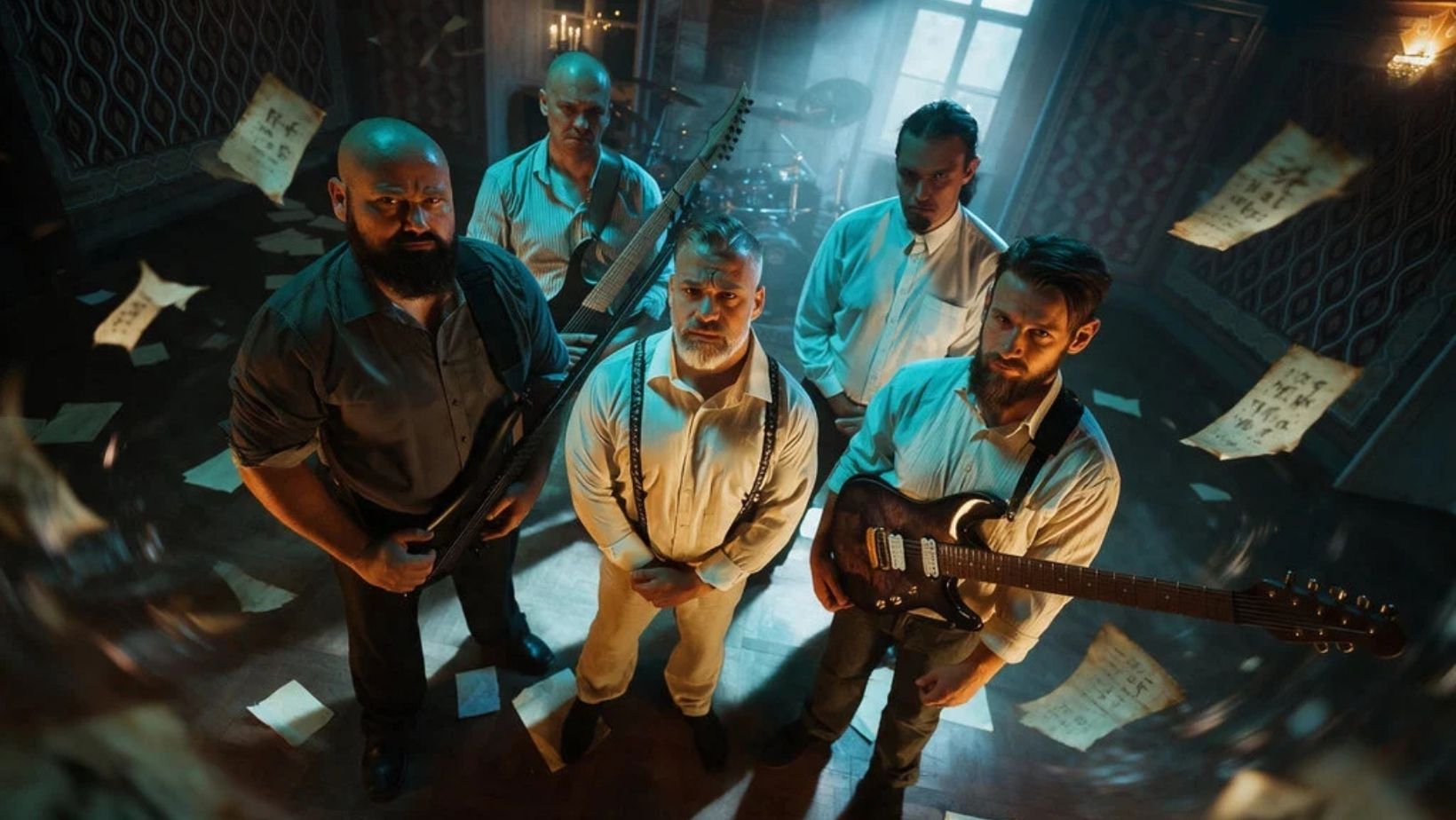
Then comes Le Horla, where we get to see how the vocals and guitars complement each other. The craftsmanship edging toward brutal metal is striking; in fact, it’s impossible not to feel some Aborted vibes in this track. Inspired by Guy de Maupassant’s psychological story about an obsessive man who believes he is under the influence of a supernatural entity, the song reinforces that sense of mental entrapment through its music as well.
Then The King in Yellow arrives, and things get seriously heavy. The growls and screams are used very effectively. The guitars come crashing down on your head like sledgehammers. Especially after around 1:40, the track really starts tearing things apart. The modern sound is also more pronounced here. The feeling of madness, reality coming apart, and cosmic destruction has seeped beautifully into the song. The drums keep this chaos under control while making sure the rhythm stays firmly in place. Inspired by Robert W. Chambers’ The King in Yellow, the song will also serve as a nice point of reference for those who have watched True Detective.
The Willows is one of the album’s standout tracks from a technical perspective. Jakup Bajer’s guitar work particularly shines here. The twin guitars practically sound like they’re fighting each other. Jiří Krš attacks with vocals that sound like he’s tearing his throat apart. The track takes its inspiration from The Willows, the 1907 work by Algernon Blackwood, the man who also influenced H. P. Lovecraft. The story of two friends traveling down the Danube by boat and encountering supernatural events, stretching into occultism, mysticism, and supernatural horror, has been turned into some damn solid death metal material in the hands of Cutterred Flesh.
Mimi-Nashi-Hōichi is one of the tracks that pushes the musicians a little harder in terms of technical ability. The sections where the guitars drift toward black metal territory around 1:20 are particularly noticeable. However, the backbone of the song remains brutal death metal. Inspired by a story by Lafcadio Hearn, known as the Edgar Allan Poe of Japan, this track is also a fine example of the album’s concept of bringing together horror stories from different cultures.
The Feather Pillow is one of the album’s strongest pieces when it comes to atmosphere. The atmosphere created by the guitars makes you feel the horror element directly inside you. Once again, the guitars drifting into black metal territory aren’t being used simply for the sake of adding something different; they become a perfectly fitting tool for building the track’s atmosphere. You get swept up in the rhythm alongside the blast beats. Then, right around 2:10, when you think, “Let’s catch our breath,” the band makes it seem like they’re giving you a moment to breathe before launching another attack and dragging you back into that dark room. Guest vocalist Hana Hajdová (Silent Stream of Godless Elegy) also adds a nice contrast to the track with her clear voice. The story itself is built around a seemingly safe and innocent sleeping environment turning into something terrifying.
When The Letter U arrives, Cattle Decapitation comes to mind. The song’s modern death metal side is more pronounced here. Unlike the literary horror stories featured in the album’s other tracks, this one centers on obsession and mental disintegration itself. An absurd-sounding idea about a single letter gradually taking over someone’s mind has been transformed by Cutterred Flesh into a dark psychological atmosphere.
With The Painted Skin, we finally get to hear the bass guitar come a little further to the forefront. Honestly, it wouldn’t have hurt if they had brought the bass up a little more throughout the album. With the guitars being this dense and layered, a more prominent bass could have filled out the lower end of the tracks even further. Other than that, the production is quite successful overall. Modern, clean, and powerful, but still thick enough to retain the weight of brutal death metal.
And now we come to the album’s first released track: The Colour Out of Space. I think the video and the song complement each other here. This is already one of the tracks where the album’s Lovecraft influence is felt most clearly. The growing nightmare, the alienation of the surroundings, and the helplessness of a human being faced with a force they cannot comprehend are all translated into the music as well.
The nice thing is that, just as throughout the rest of the album, brutality doesn’t take the wheel on its own here either. The riffs carry a modern brutal death metal character, but thanks to the progressive approach, the track doesn’t keep repeating the same formula. The brutal sections come in waves, while the atmospheric passages allow the story to breathe. The press release says, “brutality is still present, unleashed in cascading waves rather than dominating the music”; well, yeah, that’s exactly what I’m talking about.
We close the album with Berenice. The choice to have the track begin with keyboards before launching into an attack shortly afterward works nicely. Inspired by Edgar Allan Poe’s story of the same name, the song serves as an appropriate finale to the album’s overall psychological and unsettling vein.
So, what do we have when we put all of this together?
First of all, Cutterred Flesh’s riffs are still rooted in modern brutal death metal. In other words, these guys didn’t set out saying, “We’re progressive now, brutal death metal is too restrictive for us.” Quite the opposite: they’ve retained their brutal death metal backbone and built a progressive approach to composition on top of it. As a result, you can hear traces of different genres throughout the album, including black metal, atmospheric death metal, and modern death metal.
The progressive element here also never turns into a virtuosity contest of “Look, kids, let us show you how technical we are.” It adds structural richness. The songs speed up when necessary, create atmosphere when necessary, and pit the guitars against each other when necessary. The drums also perform their role extremely well within these compositions. The vocals are another matter altogether, because they aren’t simply being used as an indispensable part of brutal death metal; they’ve been placed in a way that serves the stories the songs are trying to tell.
The real beauty lies in the album’s concept.
There are ten different stories. Ten different forms of horror. Maupassant, Chambers, Blackwood, Hearn, Poe, Lovecraft, and the other literary references open up entirely different worlds. But horror literature is ultimately where they all come together. Bringing so many different stories together on a single album isn’t easy. Cutterred Flesh manage to do it while preserving the album’s overall unity. The different stories become the fundamental element explaining the album’s musical diversity.
This is also where the atmosphere comes into play. The band hasn’t remained faithful to its sources only through the lyrics; they’ve shaped the atmosphere of the music according to the spirit of the stories as well. That’s why, throughout the album, you get less of a feeling that “we’ve switched to another genre” and more of a feeling that “we’ve just stepped into another kind of horror.”
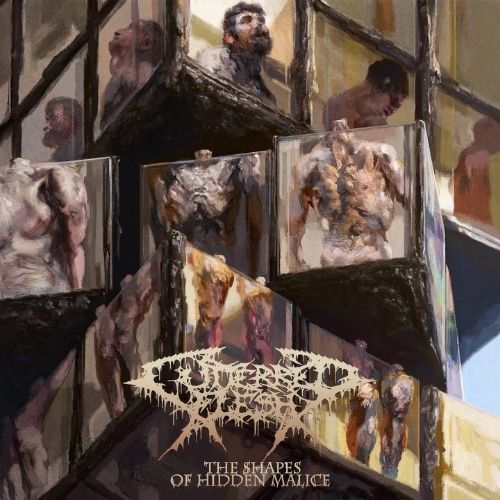
The artwork also fits this whole concept perfectly. Kantor’s oil painting suits the album’s dark literary world beautifully. We’re talking about an artist who already produces some seriously strong work in oil and whose pieces have also appeared on album covers by various metal bands. Here, too, the artwork doesn’t feel like a decorative object sitting alongside the music; it feels like one of the doors leading into the album’s world.
In the end, The Shapes of Hidden Malice is Cutterred Flesh’s way of saying, “We can still experiment,” 25 years into their journey. Without abandoning brutal death metal, they nod toward different genres, weave their progressive side into the compositions rather than using it for show, and shape their vocals and atmosphere around the stories they tell.
Does it have any drawbacks? It does. I would have liked to hear more of the bass guitar. In some sections, the density of the guitars casts a bit of a shadow over the lower frequencies. But this isn’t a problem that seriously detracts from the album’s overall success.
For me, the real point is this: even The Mad Farmstead, which I initially approached with some reservations, fell into place once I had listened to the album as a whole. I guess some albums don’t want to be listened to one song at a time; they want to be experienced as a whole. The Shapes of Hidden Malice is exactly that kind of album.
Cutterred Flesh tell us ten different horror stories. But their real achievement is making those ten stories feel not like ten different pieces of music, but like different rooms in the same dark house.
You open the door, you walk inside…
Maupassant is waiting in one room, Lovecraft in another, Poe grinning in the corner.
Then the lights go out.
Good luck, lads.

Cutterred Flesh Bandcamp
Official Transcending Obscurity Site
Transcending Obscurity Facebook
Cutterred Flesh Facebook
Cutterred Flesh Instagram
Official Label YouTube Channel
Label US Store
Indiemerch Store
Label Europe Store