EP REVIEW
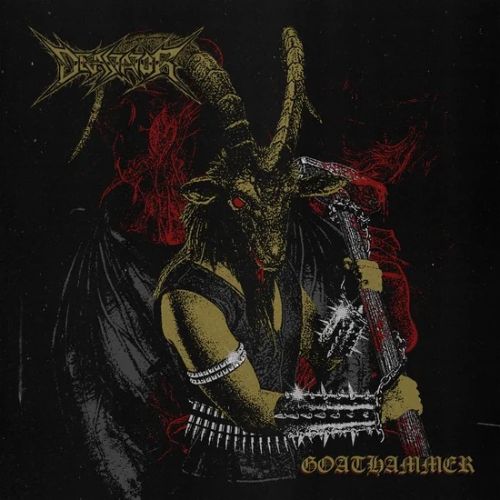
DEVASTATOR – Goathammer
Blackened Speed Metal rooted in tradition.
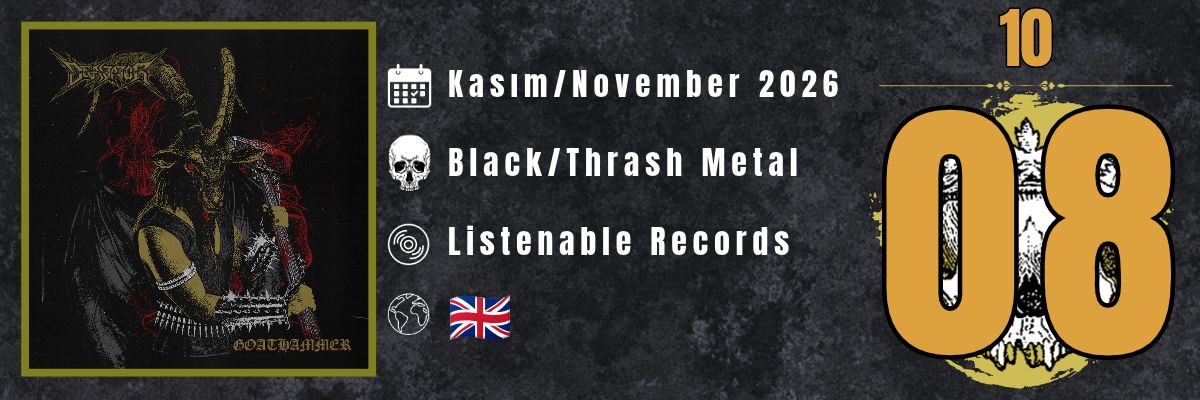
DEVASTATOR’s tenth anniversary brings "Goathammer", a five-track EP that sees the band revisiting the Blackened Speed Metal sound that defined their earlier years. Having explored broader, darker territory with occasional Death Metal leanings on "Conjurers of Cruelty", the British outfit now narrow their focus, returning to a more direct sound rooted in the intersection of Black Thrash, Speed Metal and traditional Heavy Metal. Rather than searching for a new musical direction, this approach can be seen as an attempt to combine the performance skills they have honed on stage over the years with the songwriting sensibilities of their formative period.
The roughly one-minute instrumental 'The Ritual' opens the EP with an arrangement that begins with acoustic guitar before gradually growing heavier. Its melodic lines evoke the NWOBHM tradition, providing a brief introduction to the dirtier sound that follows. The title track, 'Goathammer', wastes little time in tearing down that atmosphere. Sharp riffs reminiscent of old-school German Thrash Metal, high-speed passages and guitar work that occasionally shifts into galloping rhythms form the backbone of the song. DEVASTATOR are particularly effective at keeping melody and speed closely intertwined. Melodic guitar lines and solo passages emerge during the more measured mid-tempo sections, preventing the track from maintaining the same level of intensity throughout, while a final surge in pace brings it back to the aggression of its opening.
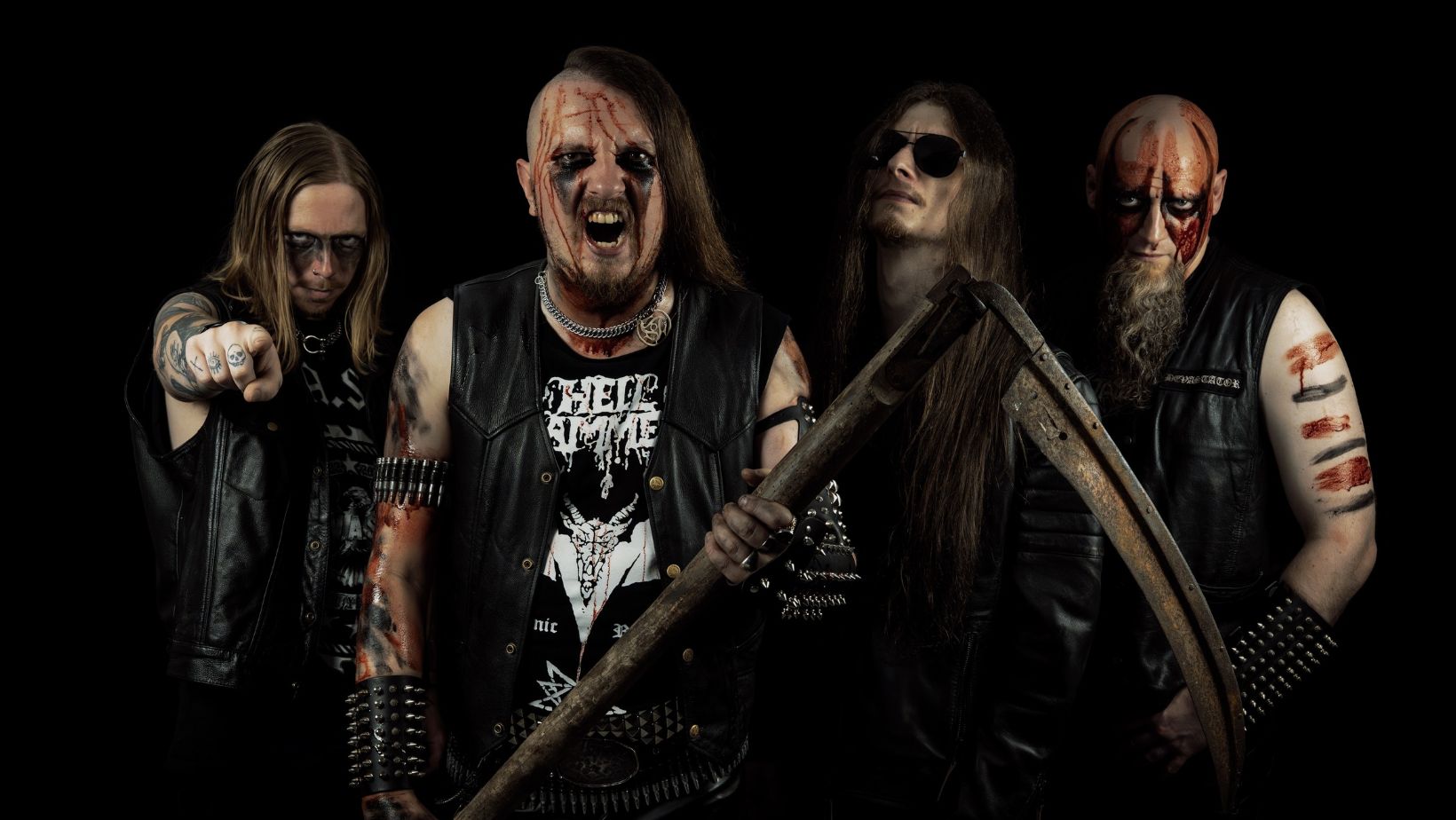
'Triumph of Evil' is the track that draws most heavily on the EP's Speed Metal influences. Its riffing recalls early KREATOR, combined with a more extreme vocal approach. T. Nachtghul's harsh, upfront vocals reinforce the song's aggression rather than overshadowing the energy of the instrumentation. The steady drive of the rhythm section gives the guitars plenty of room for melodic flourishes and twin-guitar arrangements. The traditional Heavy Metal influence becomes particularly apparent during the solos, highlighting the band's openness to Speed Metal's melodic heritage even while remaining firmly within Black Thrash territory. Although these shifts add variety, the song's underlying structure remains rooted in a fairly familiar genre formula.
The EP's longest track, 'Lycan's Curse', offers greater room for compositional development. Opening at a mid-tempo pace with a dark, relatively restrained approach, the song gradually builds in speed and intensity. Unlike the more straightforward structures of the preceding tracks, this approach allows different rhythmic movements and guitar arrangements to come into play. Galloping passages, the interplay between the twin guitars and a particularly striking dual-guitar solo bring the track's melodic dimension into sharper focus. The aggressive character of Blackened Speed Metal occasionally edges towards Black'n'Roll, with a looser, rock'n'roll-based approach reminiscent of DARKTHRONE's "F.O.A.D." and "Circle the Wagons" era. Melodic choices that lean towards Heavy Metal in the middle section, along with a more pronounced CELTIC FROST influence towards the end, further broaden the song's musical scope. This variety makes 'Lycan's Curse' more than just the EP's longest track; it is also its most developed composition.
The closing SLAYER cover, 'Show No Mercy', is a fitting choice when considering DEVASTATOR's musical influences. Taken from SLAYER's 1983 debut album of the same name, the track is a characteristic example of an early era when Speed and Thrash Metal were still closely intertwined with Black Metal aesthetics. DEVASTATOR retain the original's sharp rhythmic structure and high energy while reshaping the song through their own Blackened Metal sensibilities. The more aggressive vocal delivery and distinctly darker guitar tone define their interpretation. There is no expectation that this version could match the historical impact of the original; nor would such a comparison be the right measure of its merits. What matters here is that the band have chosen a song that aligns with their own musical roots and deliver a convincing interpretation of its influence.
The most significant limitation of "Goathammer" is its apparent reluctance to move beyond the established formulas of the genre. The legacy of bands such as VENOM, SODOM, HELLHAMMER and early BATHORY can be felt throughout almost every aspect of the EP, from the guitar tones and riffing to its satanic thematic choices. These influences never feel out of place; they sit naturally within the aesthetic DEVASTATOR have embraced. Nevertheless, the largely familiar genre vocabulary limits the memorability of certain passages and the extent to which the individual compositions distinguish themselves from one another. There are moments, particularly in the more straightforward tracks, when melodic and rhythmic ideas reach their conclusions without being developed as fully as they could be. The EP's roughly 19-minute runtime helps offset this to some extent. The four original compositions each fulfil their purpose without unnecessary extensions, and the short format suits the music's direct approach.
DEVASTATOR's decision to mark their tenth anniversary this way is less an expression of a desire for innovation than a declaration of allegiance to a particular musical tradition. "Goathammer" favours keeping Black Thrash's historical influences alive over transforming them. It would therefore be unrealistic to expect the EP to open up new territory within the genre. Nevertheless, it delivers for listeners who appreciate dirty Speed Metal riffs, traditional Heavy Metal melodies and Black Metal's harsher vocal approach. What DEVASTATOR offer here is less a musical discovery than a measured, purposeful celebration that serves as a reminder that old-school Blackened Speed Metal can still hit the mark.

https://linktr.ee/DevastatorUK