Album Review
TE DEUM - Gates to the Unknown"
Symphonic arrangements broaden progressive doom/death.
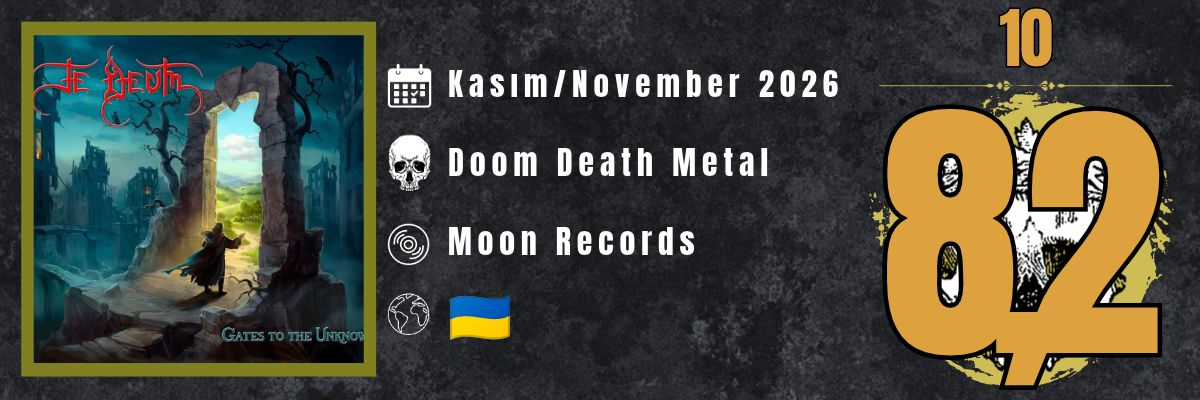
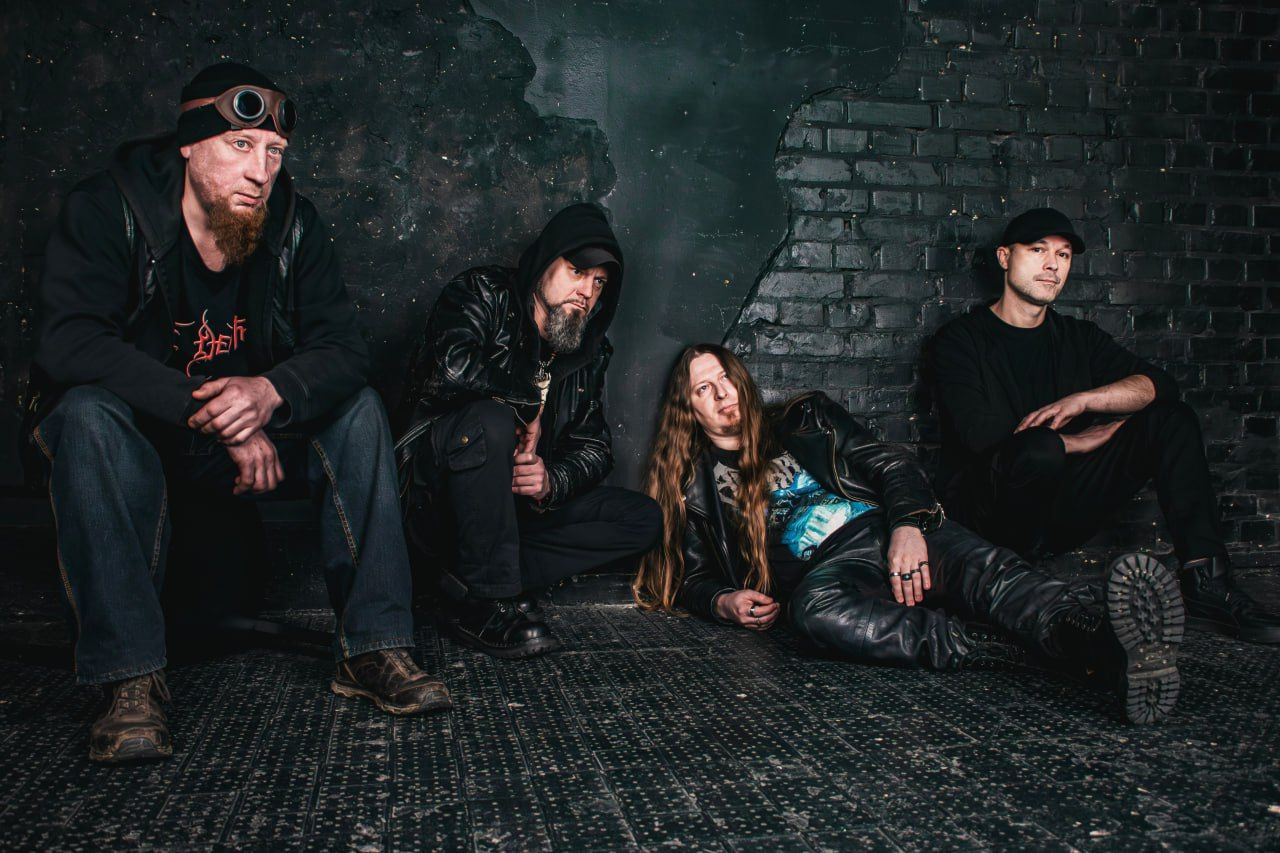
In TE DEUM's discography, "Gates to the Unknown" goes beyond simply marking a new chapter following 2022's "Reflexia". It is an album that places the band's more than three decades of doom/death metal history within a broader musical framework. Formed in Kyiv in 1995, the Ukrainian band has developed a sound built around heavy guitars, dark melodies and atmospheric arrangements since its earliest recordings. The devastation and uncertainty brought about by the ongoing war in Ukraine also find their way into the album's conceptual backdrop, which revolves around death, loss and existence beyond death. Spanning nine tracks and running for approximately an hour, the record succeeds in moving beyond expressing these themes solely through heaviness and melancholy. TE DEUM's musical narrative is remarkably dynamic, shifting between classical orchestration, progressive arrangements and the sheer physical weight of death metal.
Opening track 'Funeral Song' provides a strong starting point for understanding this approach. Following a classical orchestral introduction, heavy bass and drum passages, sustained guitar tones and deep growled vocals enter the picture. The harmonic interplay between the rising string melodies and guitars prevents the song's sense of mourning from becoming trapped in one-dimensional darkness. The more animated violin melodies, in particular, create a striking contrast with the weighty rhythmic foundation beneath them. The gradual softening towards the end adds another layer of emotional weight to the intensity that has accumulated beforehand. Here, orchestration is far more than a decorative addition to a death metal arrangement; it expands the song's expressive scope and establishes a direct musical relationship with the guitars.
This combination develops in different ways throughout the subsequent tracks. Although TE DEUM retain doom/death metal's familiar approach to heavy, expansive riffing, they do not keep the tempo consistently low. The drums' shifting rhythmic accents, occasional groove-driven passages and the interplay between the guitars and orchestral melodies give the compositions greater room to move. The bass guitar also goes beyond simply supporting the rhythmic foundation, asserting its own character at certain points in the arrangements. While classical strings and piano work alongside the guitar melodies to enhance the harmonic depth of the songs, the powerful growled vocals preserve the death metal identity within this broader musical framework.
'Time' represents the more fiery and expressive side of this approach. More melodic passages, some approaching actual singing, are interspersed with forceful vocal outbursts, demonstrating that the vocal delivery is not restricted to a single technique. The song's energetic arrangement also shows that orchestral elements are not reserved exclusively for melancholic passages but can contribute to the music's rising tension as well. This variety broadens the album's emotional range while demonstrating that melody and aggression do not necessarily have to work against each other.
'Sculpted of Doubts' contains one of the album's most intriguing compositional choices. As the orchestration recedes, the bass guitar moves further into the foreground, shifting the song's centre of gravity. The progressive metal-oriented passages that follow move away from conventional doom/death metal structures, creating a more complex and unsettling musical space. The melodic approach of the guitar solo reinforces this departure, with an expressive style that steps outside the usual conventions of extreme metal soloing and completes the song's distinctive atmosphere. This section, in which TE DEUM embrace a freer compositional approach, demonstrates that the album does not always need its full orchestral density to make an impact; a more restrained instrumentation can be equally effective in conveying its ideas.
'Fading Light' comes closer to the mournful atmosphere suggested by its title, while its melodic vocal passages and progressive arrangements take that sentiment in a different musical direction. 'Shard of Reality', meanwhile, adopts a harsher character. Dense, battlefield-like rhythmic passages give way to piano interludes and animated strings, shaping the song's constantly shifting structure. The more flamboyant and dramatic character of the guitar solo further reinforces these transitions. Rather than softening death metal's aggression, the classical influences here bring two distinct forms of musical expression into direct confrontation within the same composition.
'Acid' continues the album's vocal diversity by combining a rawer, rough-edged vocal delivery with deep growls. On the title track, a traditional stringed instrument takes on a prominent melodic role, lending the song a different colour. Its appearance at the beginning and return at the end provide the composition with a sense of internal cohesion. The high-energy rhythmic structure and dense guitars ensure that this distinctive timbre never feels detached from the song's overall character. Similarly, 'Into the Dream' offers a fast-moving and technically freer approach rather than the calm, dreamlike atmosphere its title might suggest. Closing track 'Epilogue' completes the nine-track sequence.
All these choices explain why "Gates to the Unknown" cannot be adequately assessed as a conventional doom/death metal album. Drawing on the genre's heavy guitars, deep vocals and dark melodic sensibilities, TE DEUM combine these elements with the orchestral breadth of symphonic metal and the freer compositional approach of progressive rock. Although the resulting sound occasionally evokes a dramatic rock opera, the band's death metal roots remain firmly embedded in the arrangements. This combination gives the album a distinct identity, though it also carries the risk of musical flamboyance taking precedence in certain passages. Particularly when orchestration, piano transitions and guitar solos are used extensively, the underlying riff structures can recede into the background. By contrast, tracks such as 'Sculpted of Doubts' demonstrate how more controlled arrangements that leave room for different instruments can make a significant contribution to the album's diversity.
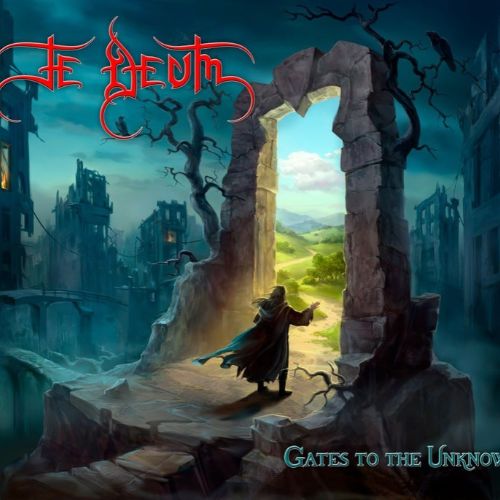
On the production front, the mixing and mastering handled by Konstantyn Ratnikov are among the key elements supporting the album's expansive instrumentation. The weight of the guitars, the presence of the bass, the physical impact of the rhythm section and the placement of orchestral melodies within the arrangements all help bring TE DEUM's multifaceted musical approach into focus. Olga Kuznetsova's cover artwork also complements the album's dark, existential framework from a visual perspective.
With the devastation caused by the war in Ukraine lingering in the background, "Gates to the Unknown" approaches weighty themes such as death and loss through more than mere melancholy. Melancholy and anger, orchestral grandeur and death metal aggression, as well as traditional genre conventions and progressive explorations, converge within the same sound. Although not every one of these choices proves equally successful, it is clear that TE DEUM are expanding their long-established doom/death metal identity through a broader compositional approach. An album that may fall outside the expectations of listeners seeking the genre's more traditional, heavy and slow-moving manifestations, "Gates to the Unknown" will resonate more strongly with those open to symphonic arrangements, progressive transitions and shifting rhythmic structures. Rather than pursuing innovation by abandoning the genre's fundamental elements, TE DEUM seek to expand their expressive possibilities. Despite occasionally overstepping the mark, "Gates to the Unknown" earns a noteworthy place in the band's discography through its artistic direction and musical diversity.

https://www.facebook.com/tedeumua
https://www.instagram.com/tedeumofficial/