ALBUM REVIEW
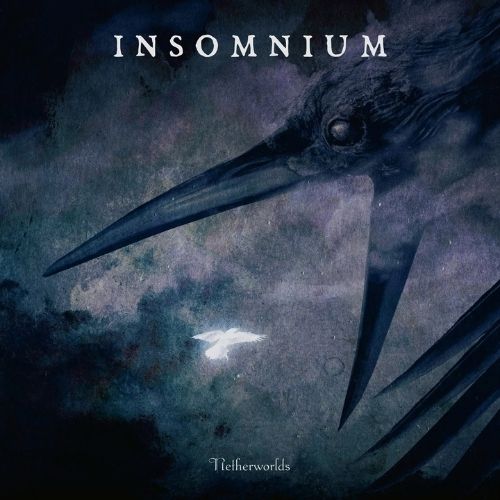
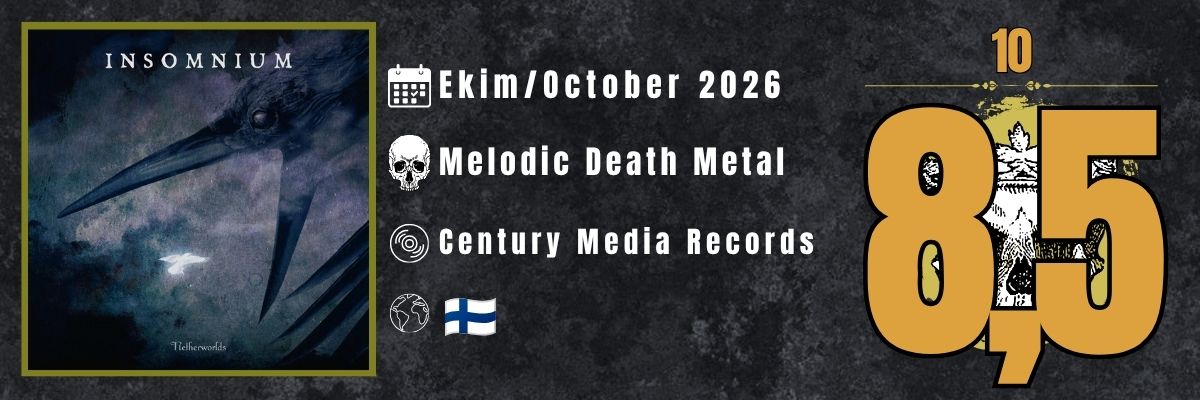
INSOMNIUM - Netherworlds
Melancholy, loss and melodic death metal.
One of the moments that has excited me most since Pit-Stop became a webzine is getting to write about INSOMNIUM’s latest album. I was equally eager to review their previous record, “Anno 1696”, but back then, we were publishing reviews exclusively on Instagram. I didn’t want the opinions, ideas and observations I wanted to express to go to waste on Instagram, so I never wrote that review. Fortunately, the band is still active and back with a new album. And now, I’m ready to share my thoughts on this excellent record.
Death, loss and melancholy have been central to INSOMNIUM’s music for years, not merely as lyrical themes but as forces that shape the very contours of its melodies. Following the historical narrative of 2023’s “Anno 1696”, “Netherworlds” turns its attention to human mortality, the people left behind and the emotions that memory can keep alive. Although the album is not a concept record that tells a single story from beginning to end, the connection between opener ‘The Cold Song’ and closer ‘Journey’s End’ brings its individual tracks together around a shared set of ideas. The door opened by the first track’s cold, theatrical and unusually synthetic atmosphere leads, by the final song, towards coming to terms with loss and the possibility of another form of existence. Within this framework, melodic death metal becomes more than a vehicle for expressing dark emotions: it becomes a means of exploring the reality of the boundary between life and death.
Adapted from Henry Purcell’s classical composition, ‘The Cold Song’ departs from the band’s familiar guitar-driven world with its brief opening statement. Its synthetic textures and theatrical approach offer an unexpected perspective on the idea of coldness, making the melodic death metal character of ‘Shadowlife’, which follows, all the more pronounced. Fast-moving guitars, Niilo Sevänen’s rough-edged growls and the shifts between harsh and clean vocals re-establish a mode of expression INSOMNIUM have been refining for years. The melodic lines are not merely embellishments laid over the heavier passages; they carry both the songs’ most memorable qualities and their emotional weight. At the same time, the black metal influences that were more prominent on the band’s earlier albums have receded into the background. The cold, cutting bursts built around tremolo-picked guitars and blast beats have given way to a more melodic, accessible and direct approach to songwriting, one that gravitates towards stronger choruses.
This approach pays off in tracks such as ‘Remembrance’ and ‘Gleam in the Black’. With its clean-vocal passages and guitar melodies, ‘Remembrance’ brings the sense of loss into more personal territory, while the arrival of the growls balances that vulnerability with a harsher edge. Its occasionally progressive structure shows that breaking away from the familiar melodic death metal formula does not require sweeping structural changes. ‘Gleam in the Black’, meanwhile, represents the album’s more energetic side, driven by a livelier rhythm, a prominent keyboard line and passages propelled by double-bass drumming. Its guitar melodies and powerful chorus make it a standout for listeners who favour the band’s faster, more direct material. Here, accessibility does not mean abandoning musical intensity; instead, it makes the arrangements’ melodic aims easier to grasp.
Still, the songwriting is not equally effective throughout the album. ‘Arch of the Sky’ stands out for its explosive chorus and elegant electric guitar solo placed over an acoustic passage, but its melodic impact is less enduring than that of the record’s strongest tracks. Its thematic connection to Sámi worldviews and the cyclical nature of life aligns with the album’s ideas of death and reunion. Musically, however, how distinctively these ideas are realised remains open to debate. INSOMNIUM’s ability to combine melody with powerful choruses is evident here, too, but the desire to move beyond familiar formulas is less pronounced.
At the heart of the album, ‘The Hour Grows Late’ is more successful at expanding that familiar vocabulary. Spanning roughly eight minutes, the track moves from an atmosphere shaped by acoustic guitars and serene melodies into heavier death metal passages before returning to calmer territory. Contributions from AMORPHIS members Tomi Joutsen, Tomi Koivusaari and Santeri Kallio make the guest appearances meaningful not simply because of the musicians’ reputations, but because of the distinct vocal and instrumental colours they bring to the composition. Joutsen’s clean vocals enhance its melodic clarity, while Koivusaari’s rawer growls deliver a harsher quality that differs from Sevänen’s vocal character. The progressive, occasionally psychedelic textures that emerge during Kallio’s keyboard solo also help the track move beyond the conventional boundaries of melodic death metal. This is one of the album’s boldest arrangement choices, because the contrasting elements are not merely placed side by side; they actively contribute to the song’s dynamic development.
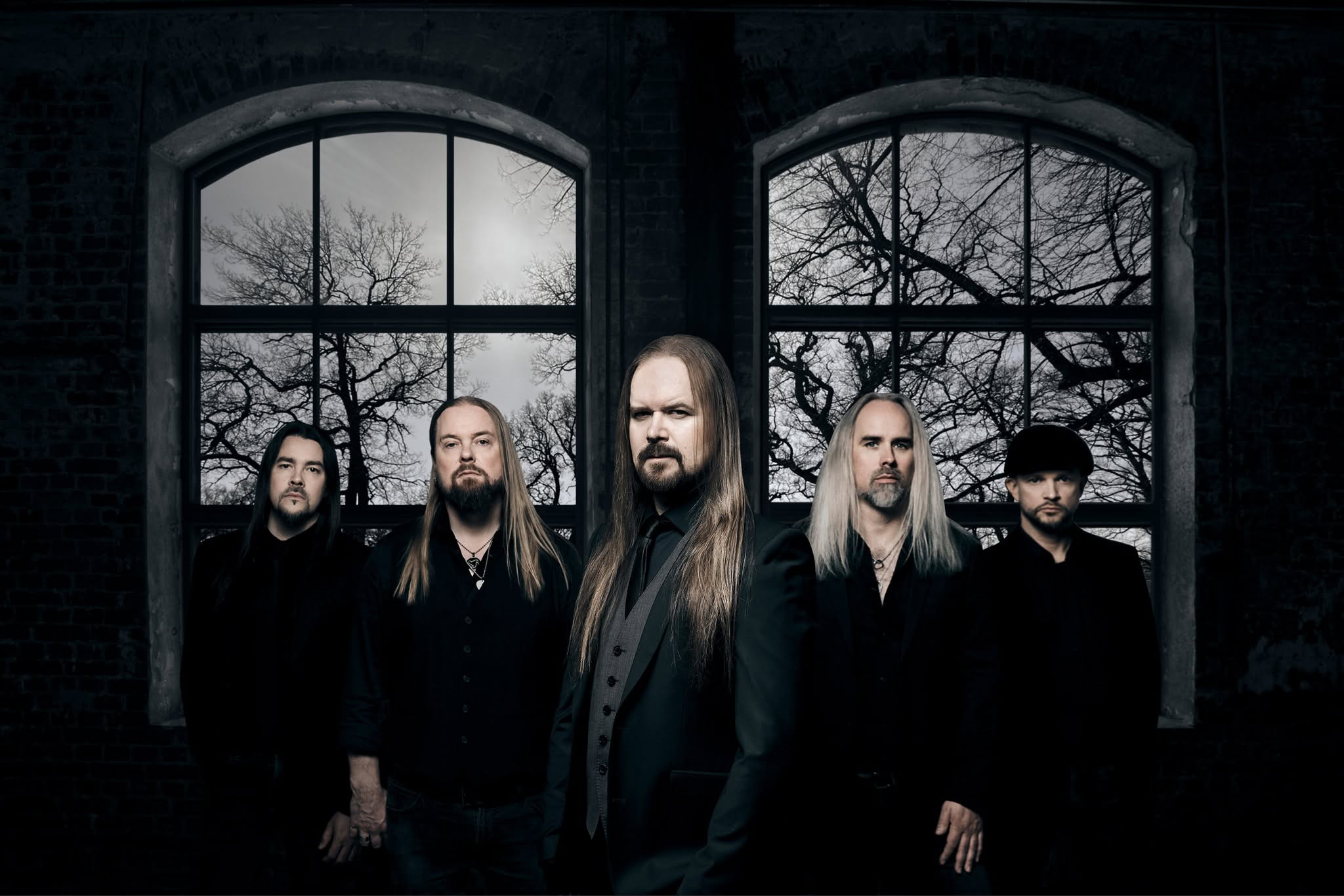
The impact of the expanded three-guitar lineup is particularly apparent in the melodic arrangements. Taking shape with Tomy Laisto’s official addition to the band, this setup is not simply a matter of the guitars constantly doubling one another; it allows harmonies and melodic lines to spread across a broader sonic space. ‘The Banished’, which puts Laisto’s songwriting in the foreground, is especially significant in this respect. After an acoustic introduction, the track quickly hardens into one of the album’s most aggressive moments, with incisive guitar riffs and thrash metal-inflected passages. Yet the clean-vocal sections, piano and restrained orchestral touches that follow its rapid transitions prevent the song from relying on heaviness alone. These contrasts show how melodic death metal can retain its aggressive character while drawing on different dynamics to create atmosphere. Laisto’s contribution suggests that the new lineup is proving useful not only in performance but also in the creation of new material.
‘Pathways of the Night’ and ‘Ethereal Sleep’ reveal the album’s heavier side, at times approaching doom metal territory. In the former, a mysterious keyboard backdrop alternates with melodic death metal passages, while the chorus built around growled vocals becomes the track’s most memorable feature. The bass guitar is also distinctly audible in the mix, strengthening the lower layers of the arrangement. ‘Ethereal Sleep’ moves at a slower pace, progressing from quieter passages into more intense sections and evoking the prolonged stillness of winter. The emotional pull of the clean vocals and the atmosphere created by the guitars and keyboards support the song’s central idea, but its development is less striking than the album’s other high points. Slowing down and adding weight do not, by themselves, create depth. The track’s emotional aim is clear, but its musical expression occasionally feels too familiar.
The album’s production is well suited to these melodic priorities. Guitar harmonies, vocal transitions and keyboards all occupy their place in the arrangements without obscuring one another, while the drums retain their power in faster passages without flattening the nuances of quieter sections. The more prominent use of clean vocals compared with the band’s earlier work also heightens the emotional impact of the melodies. This approach opens INSOMNIUM’s dark atmosphere to a wider audience while preserving the music’s harsher edge. However, clarity of production and accomplished songwriting do not mean every track is equally distinctive. In the middle section of the album, some melodic transitions and choruses lean too heavily on the band’s established vocabulary. At times, ideas heard in similar forms before become safe choices rather than opening up new expressive possibilities.
That makes the central question surrounding “Netherworlds” how far INSOMNIUM have managed to advance their distinctive melodic identity. The more expansive narratives and divergent musical directions associated with works such as “Winter’s Gate” and “Anno 1696” occupy a more limited space here. The retreat of black metal influences, the increased prominence of clean vocals and the move towards more direct choruses make the album easier to embrace. In return, however, the grandeur and profound melancholy felt on some of the band’s earlier records do not always emerge with the same intensity. This is less a question of musical ability than a limitation inherent in making a familiar aesthetic more accessible. INSOMNIUM know their formula well; the real question is when that formula becomes a powerful means of expression and when it turns into habit.
‘Journey’s End’ offers the album’s most meaningful answer. Beginning with hypnotic guitar arpeggios, the track opens into a warm, folk-inflected atmosphere. Its heavier passages, clean vocals and spoken-word narration ensure that the closing track is more than an ordinary outro. The coldness that dominates much of the album takes on a different emotional hue here. Death is approached not simply as an ending, but through the idea of reuniting with those who have been lost. The connection to ‘The Cold Song’ at the beginning now comes into focus: the otherworld that initially felt alien and distant becomes, by the close, a place where acceptance and peace are possible. This narrative strengthens the bond between the tracks while giving the melancholy of “Netherworlds” a more personal dimension.
Ultimately, “Netherworlds” does not redefine INSOMNIUM’s place within melodic death metal. Instead, it offers a more direct and emotional expression of the songwriting approach the band have developed over the years, along with the sound that has grown out of it. Tracks that demonstrate arrangemental daring, such as ‘The Hour Grows Late’, the aggression of ‘The Banished’ and the journey towards acceptance in ‘Journey’s End’ bring different facets of this approach together successfully. Although safe melodic choices limit the album’s artistic depth in places, its guitar harmonies, vocal contrasts and strong songwriting allow the band to retain their identity. The value of “Netherworlds” lies less in its attempt to surpass INSOMNIUM’s past achievements than in its ability to give familiar musical language renewed meaning through themes of loss and remembrance. For listeners who value emotional continuity over the search for innovation that often accompanies a long career, this album has the strength to secure a solid place in the band’s discography.
