EP REVIEW
MYRKVIÐI - Harmur
Melody fuels darkness.
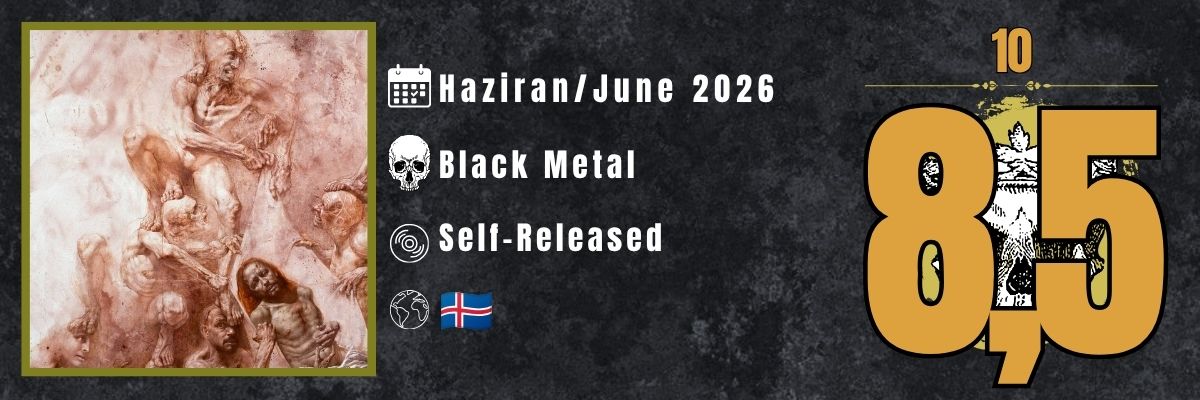
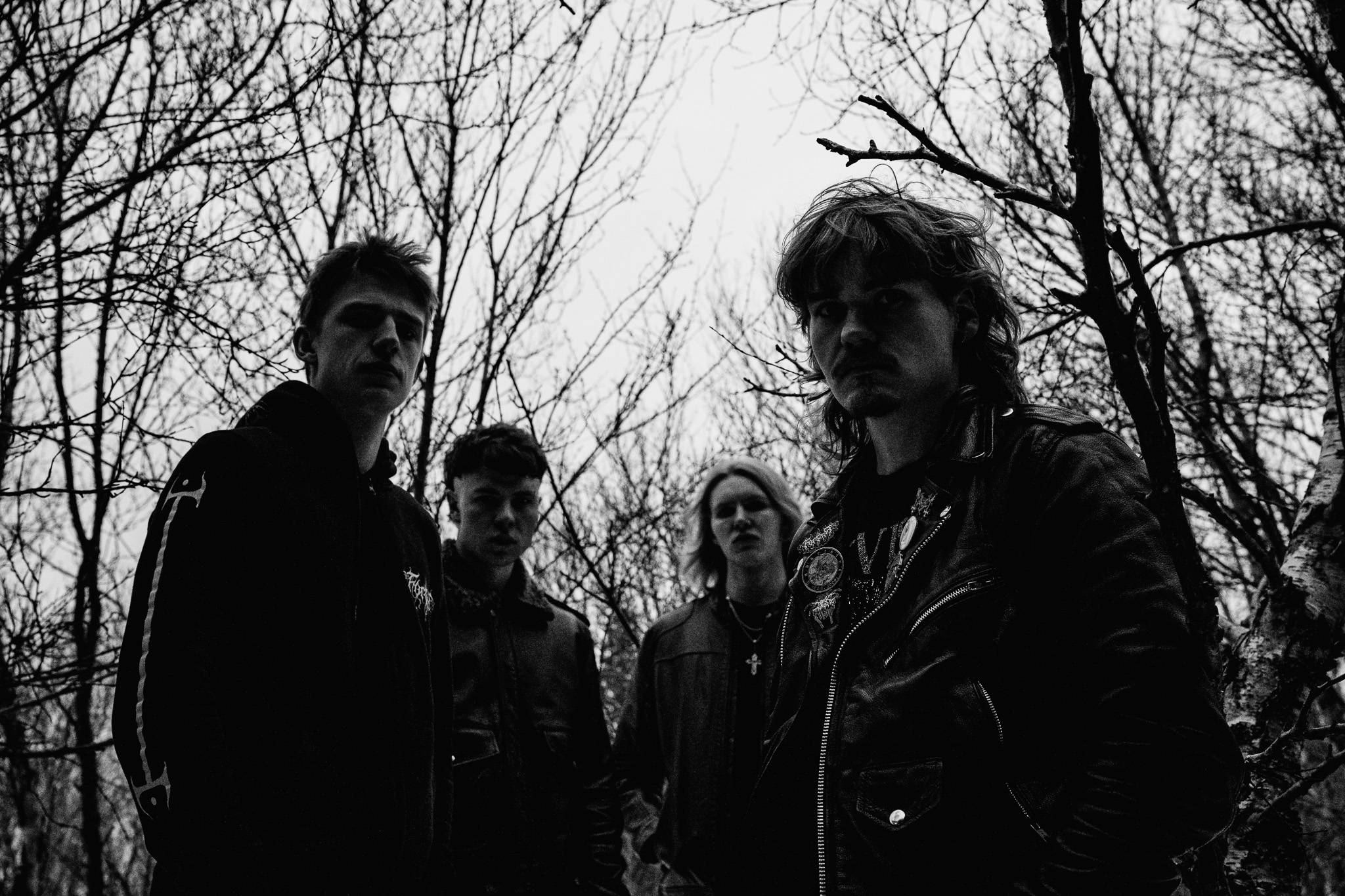
Founded in Reykjavík in 2025, MYRKVIÐI quickly emerged as one of the most compelling new names in Iceland's thriving extreme metal underground. With lyrics written entirely in Icelandic, the band explores religious fanaticism, institutional hypocrisy, war, and the darker aspects of the human condition, presenting its artistic vision in full for the first time on its 2026 debut EP, “Harmur.” Blending traditional black metal aesthetics with atmosphere and melody in a carefully balanced compositional framework, the release not only defines the band's musical identity but also firmly establishes its place within the contemporary Icelandic black metal scene.
From its opening riff, “Harmur” intertwines tremolo-driven melodies and relentless blast beats, embedding atmosphere directly into the fabric of its songwriting rather than treating it as an additional layer. MYRKVIÐI's approach draws from a contemporary Scandinavian black metal mindset that views melody not as a counterweight to aggression, but as a means of sustaining it. As a result, the riffs that form the backbone of the EP never lose their edge despite their melodic character; instead, the rough texture of the raw production gives them an even more menacing presence.
In the faster passages, the guitars embrace the classic tremolo vocabulary of black metal while occasionally disrupting that momentum with mid-tempo transitions and heavier riff blocks. These shifts are not simply there to create dynamic contrast—they become one of the primary tools shaping the dramatic flow of the songs. As the music moves from its most frantic moments into more restrained passages, the atmosphere naturally expands, allowing the melodic guitar lines to redirect the tension carried by the riffs into a different form. The brief appearance of acoustic guitar is equally effective, not as a radical departure that alters the EP's trajectory, but as a functional transition that allows the dense electric guitar textures room to breathe.
The melodic lead guitars prioritize reinforcing the memorability of the core themes over technical display. The solos never feel like isolated showcases grafted onto the songs; instead, they unfold as natural extensions of the existing harmonic framework. In doing so, melody is not romanticized within a black metal context but becomes one of the principal carriers of the record's dark atmosphere.
The rhythm section operates with similar restraint and control. Although blast beat-driven aggression frequently takes center stage, the drums never remain locked at maximum intensity, with tempo changes creating space for the guitars' melodic movement to come into sharper focus. Consequently, the music builds its intensity not only through speed but also through the internal tension of its arrangements. Rather than asserting an independent identity, the bass reinforces the wall of guitars, a choice that complements the raw production by creating a cohesive mass of sound instead of fragmenting the frequency spectrum with unnecessary detail.
The vocals follow the traditional path of high-pitched black metal shrieks. What matters here, however, is not technical variety but the way they merge with the phonetic character of the Icelandic lyrics, adding another layer to the music's harsh rhythmic framework. Themes of religious fanaticism, institutional hypocrisy, war, and moral decay function less as narrative focal points than as aesthetic elements, with the sharp articulation of the vocals reinforcing the oppressive atmosphere. The fact that MYRKVIÐI received recognition for Icelandic lyric writing at Músíktilraunir 2026 further underlines that this approach is not merely a cultural marker but a fundamental component of the band's artistic identity.
The production avoids the overly polished, expansive sound that has become common in contemporary atmospheric black metal. Instead, it opts for a distinctly raw, gritty, and high-impact mix. Even so, the instruments never dissolve into one another completely; the melodic lines remain clearly discernible while the abrasive character of the guitars is left intact. This balance keeps the EP from aligning fully with either nostalgic second-wave black metal aesthetics or modern post-black metal productions. MYRKVIÐI instead occupies a space between the two, building atmosphere through compositional dynamics rather than production effects.
“Harmur” is not an experimental work that radically redefines the genre's compositional language or vocabulary. That is precisely where its strength lies. While preserving the established tools of black metal, the EP refines them into a more cohesive whole through confident riff writing, balanced tempo architecture, and melodic continuity. MYRKVIÐI secures its place within the atmosphere-driven direction that has come to define the Icelandic black metal scene in recent years, building its identity not through conspicuous innovation but through the consistency of its songwriting. “Harmur” does not ask the listener to hunt for hidden details; its lasting value reveals itself through repeated listens, in the way its riffs connect and in how atmosphere functions as an integral structural element rather than a decorative one.
OZAN
https://www.facebook.com/myrkvidi/
https://www.instagram.com/myrkvidiband/