
Album Review
NINE POUND HAMMER – Too Outlaw For Outlaw Country
Dirty, Energetic Cowpunk
Formed in Kentucky in 1986, NINE POUND HAMMER became one of the defining names of the cowpunk scene by combining the energy of punk rock, the gritty guitar tones of Southern rock, and the distinctive elements of traditional country music. Remaining a unique presence within underground rock culture throughout a career spanning nearly four decades, the band carved out a distinct position in alternative American music with their explosive stage identity and genre-crossing approach. “Too Outlaw For Outlaw Country” stands out as a six-track release that revisits this long-established aesthetic vision, bringing the band’s country roots into direct confrontation with a rock’n’roll attitude.
The album moves along the boundaries of genre labels without falling into an identity crisis. The term “cowpunk” here is not merely a marketing category; it functions as a framework that explains the way the band combines punk energy, Southern rock attitude, and traditional country instrumentation within the same compositional logic. At the core of this six-song MLP are not complex structures or modern production tricks, but a riff-driven approach built on immediate impact, rhythmic simplicity, and character-focused arrangements. The title track, “Too Outlaw For Outlaw Country,” where honky-tonk guitar swings meet the aggression of punk, clearly reveals the band’s approach: the goal is not to imitate country aesthetics, but to reshape their traditional patterns through the force of rock energy.
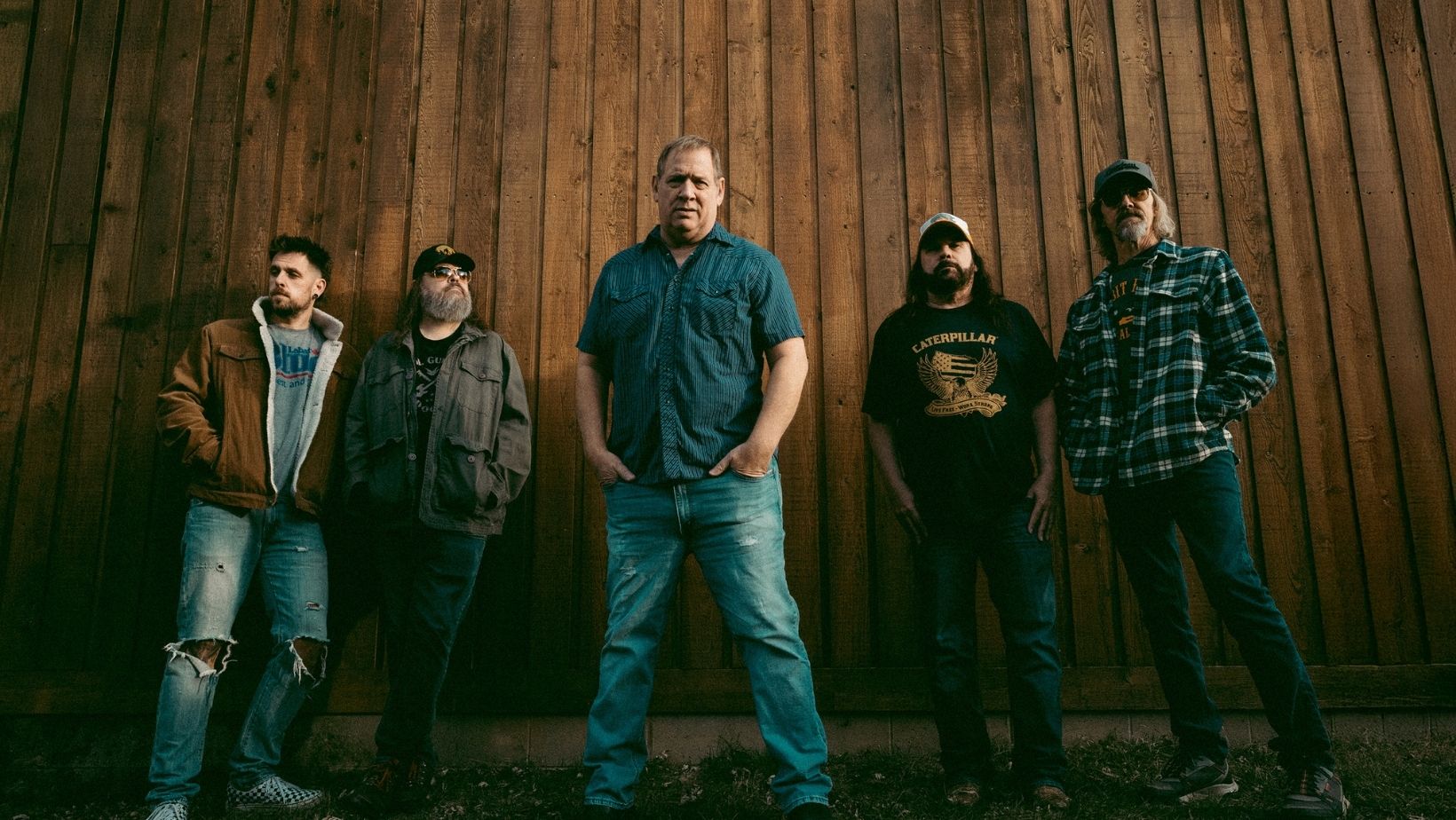
The guitar work of Blaine Cartwright and Earl Crim serves as the album’s main foundation. The duo combines the fluid melodic movements of classic country guitar with the rougher, more physical riff language of garage rock. The swinging guitar lines in “Too Outlaw For Outlaw Country” and the more pronounced Southern rock textures of “Burn The Whole World Down” demonstrate that the band draws its melodies not from technical display, but from rhythmic momentum. This guitar approach separates NINE POUND HAMMER from the cleaner and more controlled productions often found in today’s alternative country or Americana scenes; the band’s sound still relies on the dirty rock’n’roll attitude of a club stage. In this sense, they operate less like a contemporary genre fusion act and more like a direct continuation of the late ’80s and early ’90s cowpunk spirit.
The rhythm section is also built around a deliberate sense of simplicity that supports this approach. Josh Love’s drumming avoids complex fills, focusing instead on the fundamental patterns that define the movement of each track. Particularly after the heavier guitar entrances in “Black Rose,” the steady rhythmic foundation keeps the balance between punk and Southern rock intact. Mark Hendricks’ bass lines often remain understated, yet they form the center of gravity for the songs; rather than simply filling rhythmic gaps, they move alongside the guitars and strengthen the material’s physical, danceable quality.
One of the album’s notable aspects is the way it incorporates country instrumentation. John Haywood’s fiddle and banjo contributions, Ian Thomas’ pedal steel touches, and Sherri McGee’s vocal support do not remain as decorative additions designed merely to make the music sound “country.” The pedal steel and fiddle, in particular, expand the harmonic character of the songs and add different shades to the band’s rock-based approach. However, these elements never move into the center of the compositions or alter the band’s identity. NINE POUND HAMMER are not attempting to create an experimental genre hybrid here; instead, they reinforce their punk/hard rock foundation through the tools of traditional American music. For that reason, the country influences on the album function more as defining characteristics than as structural transformations.
Scott Luallen’s vocals are another key element in defining the identity of this music. Far removed from a clean and controlled country vocal approach, Luallen delivers a performance that retains a rougher, conversational quality with a street-level attitude. The harmonies used on more melodic tracks such as “Tonight I Let The Bottle Down” show that the band is not limited to a simple loud bar rock formula. The song’s approach to the theme of alcoholism is also noteworthy; while the track moves closer to traditional country storytelling in its melodic structure, its vocal arrangements and guitar work separate it from a conventional country ballad.
The two cover choices on the album also reinforce the band’s aesthetic direction. NINE POUND HAMMER’s version of Billy Joe Shaver’s “Black Rose” rebuilds the song’s Southern rock character through heavier guitar tones. “Lil’ Ol’ Wine Drinker Me,” meanwhile, transforms a song with a long interpretive history stretching from Dean Martin to Merle Haggard into something shaped by the band’s own bar rock energy. While these choices reflect the group’s connection to the past, the album’s purpose is not to create a nostalgic revival of country music. Instead, the band reinterprets these songs through the energy filtered from their punk roots, emphasizing the fluid boundaries between genres.
From a production perspective, “Too Outlaw For Outlaw Country” stands completely apart from the heavily layered and surgically polished approach often found in modern extreme metal or contemporary rock recordings. Brian Pulito’s engineering and mixing preserve an organic structure that maintains the natural roughness of the instruments. The slightly dirty character of the guitars, the direct impact of the drums, and the prominent placement of the vocals all serve to carry the band’s live energy into the recording environment. This choice aligns with the album’s aesthetic identity; a brighter or overly polished production style could have weakened the garage-rooted attitude NINE POUND HAMMER have carried for decades.
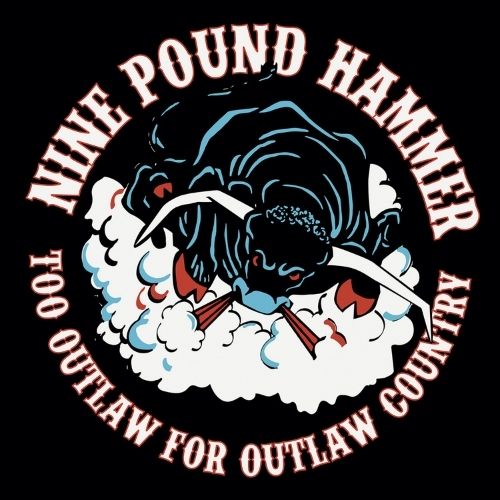
On the visual side, the 10-inch picture disc format and the cover approach also connect with the music’s collector-oriented spirit. The photography and art direction position the album not merely as another disposable release of the digital era, but as part of a physical culture tradition. However, this visual approach does not attempt to create a conceptual identity that overshadows the music; it remains a complementary element supporting the band’s long-standing stage culture.
“Too Outlaw For Outlaw Country” is not a statement claiming that cowpunk needs to be redefined in the modern era; rather, it is a recording that demonstrates how the genre’s core principles can still function effectively. Instead of relying on the complex structures often associated with contemporary genre fusion, NINE POUND HAMMER preserve their own territory through strong riffs, distinctive vocals, and carefully chosen instrumental touches. The album demands a listening approach based as much on rhythmic instinct and directness as on technical analysis. Ultimately, the band does not expand the existing cowpunk legacy as much as they revive it under current scene conditions — while maintaining the rough, energetic, and unmistakable identity that has always defined them.
OZAN
https://www.instagram.com/ninepoundhammerky
https://www.facebook.com/ninepoundhammerband
https://ninepoundhammer.bandcamp.com
https://www.reptilianrecords.com
https://reptilianrecords.bandcamp.com
https://www.facebook.com/ReptilianRecords