ALBUM REVIEW
Viande – Monument aux morts
A suffocating dark ritual
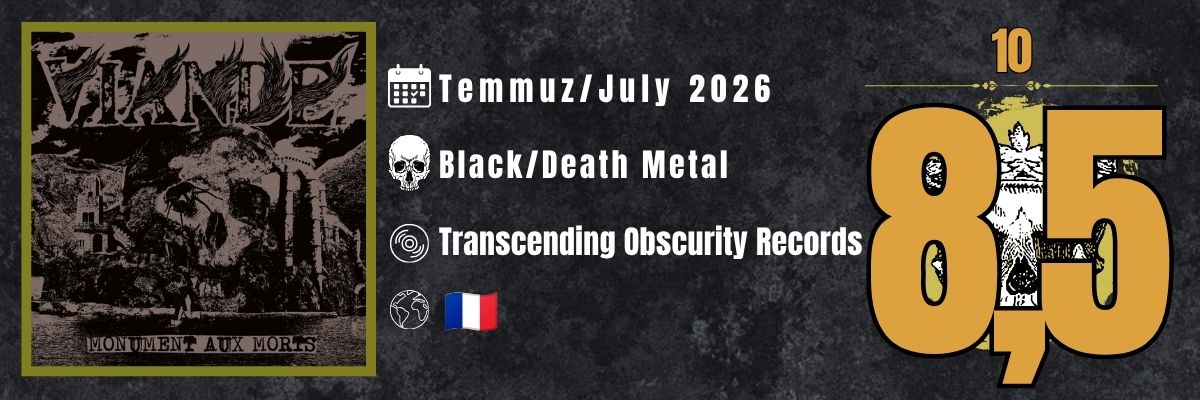
French extreme metal outfit Viande operates within a framework that combines the cold dissonance of black metal, the crushing weight of death metal, and the suffocating atmosphere of doom under one dark vision. Following their 2022 debut album L’abime dévore les âmes, the band explores death, decay, and the darker aspects of human nature through an even denser sonic language on their second release, Monument aux morts. Released through Transcending Obscurity Records, the album pushes Viande’s savage riffing, experimental textures, and determined approach to atmosphere into a more advanced territory.
Monument aux morts is an album that does not build the destructive weight of black/death metal solely through speed and aggression, but instead feeds the genre’s darker instincts through atmosphere, dissonance, and structural tension. On their second full-length, the French band does not treat riffs as direct instruments of attack; rather, they use them as components of a constantly shifting, distorted, and unsettling sonic architecture. From the opening moments, what becomes apparent is not only the filthy tone of the guitars, but the way those tones are arranged: overwhelming low-end weight, sharp dissonant transitions, and occasional doom-laden passages transform the music into something that is not merely aggressive, but physically oppressive.
The album carries traces of the savage, chaotic, and ritualistic approach represented by bands such as Teitanblood and Black Curse within the contemporary blackened death metal scene; however, Viande’s distinction lies in the fact that they do not use these influences solely to create intensity. The band expands the genre’s familiar aggression with industrial textures, noise elements, and crushing doom passages. The important question, however, is whether these additional elements actually take control of the album’s core. In Viande’s approach, synths and layers of noise do not stand out as experimental gestures in themselves; instead, they function as tools that reinforce the suffocating atmosphere created by the guitars and drums while adding greater depth to the overall soundscape.
One of the album’s strongest qualities is its deliberate use of the balance between density and space. Across these nine tracks, Viande refuses to remain tied to a single tempo or one form of aggression. In some sections, the drums move forward with an almost militaristic discipline while dissonant guitar lines spiral into uncontrolled territory. Elsewhere, the band pulls back from the physical pressure created by speed and moves toward slower, doom-influenced marches. These transitions strengthen the album’s atmospheric identity because Viande’s goal is not simply to crush, but to constantly disrupt the listener’s expectations.
“Sacrifice ardent” stands as one of the clearest examples of this approach. The track opens with a drum character reminiscent of a war march and a dense riff structure, before the arrival of the vocals pushes the music into a more chaotic state. J’s vocal performance is not limited to conventional death metal brutality; moving between deep growls, fractured screams, and seemingly uncontrolled vocal eruptions, the voice continuously shifts shape. This variety transforms the vocals from a purely front-facing element into a layer that serves the same dramatic function as the instruments themselves. Particularly during the heavier guitar passages, the vocals create a second point of tension against the physical weight generated by the music.
The rhythm section is another one of the album’s hidden foundations. The drums are not simply used to generate speed and violence; they serve as one of the primary elements shaping the psychological character of the compositions. I’s performance moves across a broad spectrum, from blast beat intensity to heavier, more threatening strikes. The bass, meanwhile, is not merely a low-frequency support within the mix; it moves through the dense mass created by the guitars, occasionally becoming a defining factor in the darker character of the songs. As a result, the album’s production creates a more organic and abrasive space where the instruments collide with one another, standing in contrast to the overly sterile and separated approach often found in modern extreme metal.
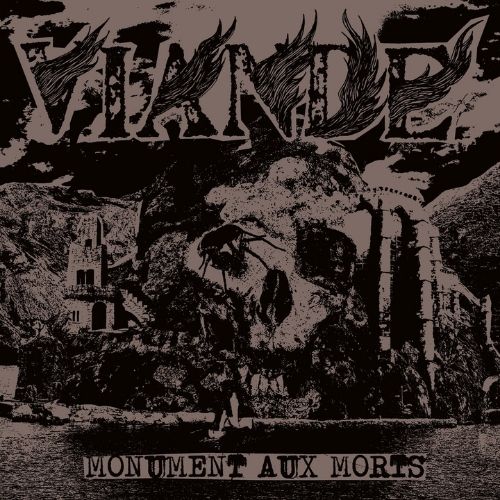
This preference for a grimier production style is directly connected to the aesthetic direction of Monument aux morts. The album title evokes the monuments erected in memory of those who lost their lives in wars and conflicts; this historical reference aligns with the militaristic rhythms and death-centered atmosphere embedded in the music. The visual work created by JB Godefroy can be considered within the same framework. While the cover aesthetic does not completely abandon the dark symbolism frequently associated with extreme metal, it establishes an identity that supports the sense of decay and heaviness generated by the music. Rather than creating an entirely new visual language, the artwork functions as a coherent framework that completes the album’s existing atmosphere.
Viande’s strength lies not in simply reproducing the chaotic and violent aesthetic that has become common within modern black/death metal, but in understanding how to properly exploit the tension contained within that aesthetic. The album preserves the genre’s traditional aggression while balancing doom metal’s dragging weight with the atmospheric approach of experimental extreme metal. Yet the band never allows its experimental elements to overshadow the music; the central focus remains the physical impact of the riffs and the unsettling movement created by the compositions.
Monument aux morts is not a blackened death metal album designed for easy consumption. It demands that listeners not only withstand its intensity but also pay attention to the structural shifts and atmospheric layers within each composition. Viande does not completely redefine the boundaries of the genre; instead, they strengthen their own identity by carrying the dark legacy of black/death metal into a more suffocating, unstable, and psychologically charged form. The album’s true impact does not come from the novelty of its individual elements, but from the way those elements are connected and made to function together.
OZAN
Viande Bandcamp
Official Transcending Obscurity Site
Transcending Obscurity Facebook
Viande Facebook
Viande Instagram
Official Label YouTube Channel
Label US Store
Indiemerch Store
Label Europe Store