
ALBUM REVIEW
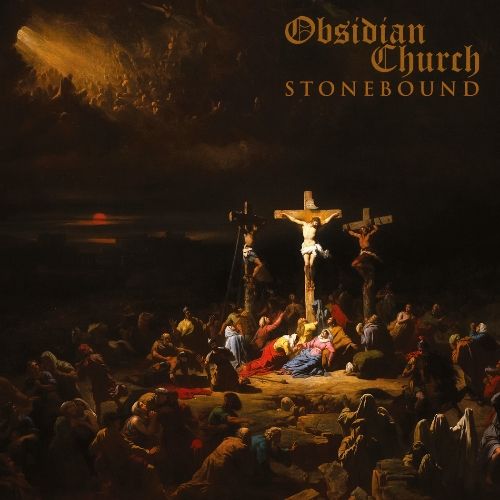
OBSIDIAN CHURCH – Stonebound
Traditional Epic Doom with a darker edge.
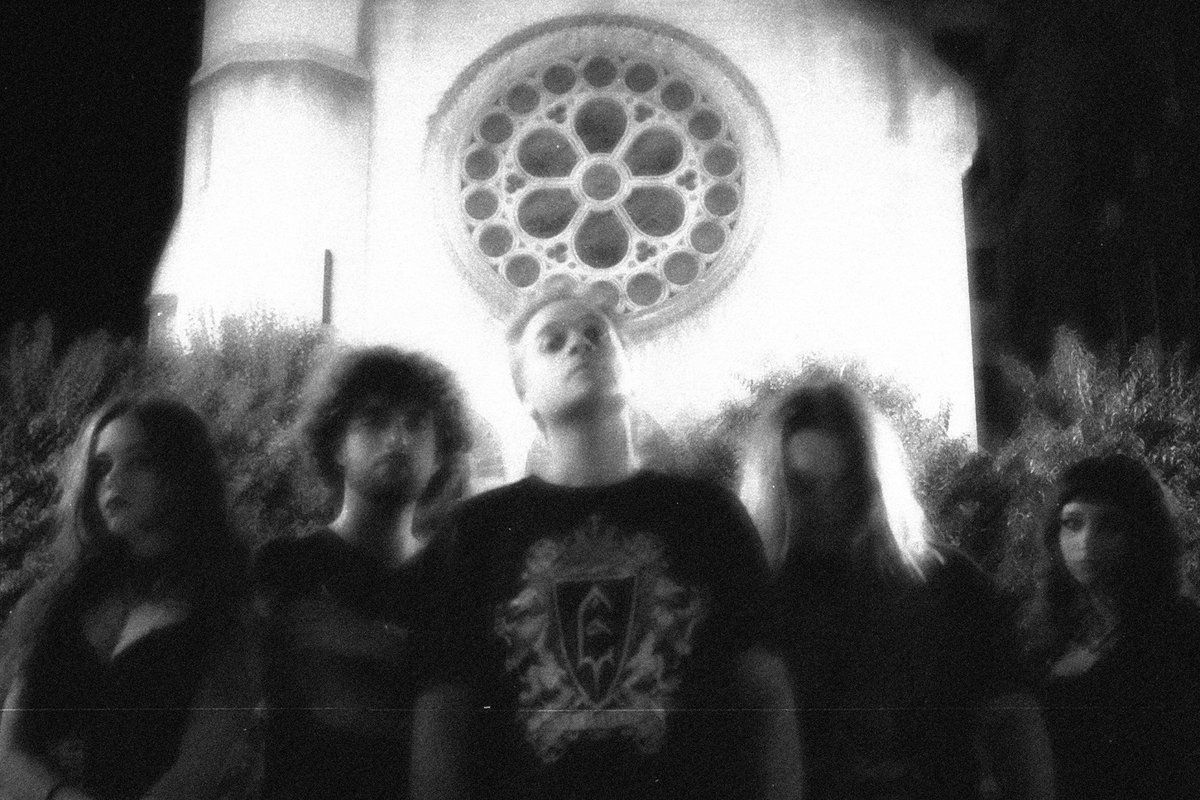
Hailing from Sicily, Italy, OBSIDIAN CHURCH are a five-piece Epic Doom Metal band formed in 2024. Having bypassed the demo stage and gone straight to a full-length recording, the band’s debut, "Stonebound", is a noteworthy example of how a younger generation of musicians can embrace the traditions of classic Doom Metal. The musical legacy of early CANDLEMASS, SOLITUDE AETURNUS, SOLSTICE, TIAMAT, PARADISE LOST and PENTAGRAM goes beyond lending the album a faint air of nostalgia; these influences form the very foundation of its songwriting approach.
Across its roughly forty minutes, "Stonebound" brings together slow, weighty riffs, expansive melodic lines and ceremonial vocal performances. The guitars, in particular, favour a dark, slightly hazy tone that combines the grandeur of classic Epic Doom with an atmosphere that is darker and occasionally sombre. The riffs are largely built around widely spaced chords, deliberate repetitions and memorable melodic motifs. Rather than showcasing technical prowess, the emphasis is on preserving the weight of the compositions and strengthening their melodic expression. 'The Great Circle of Summoning' is one of the finest examples of this approach. Its guitar passages recall CANDLEMASS' 'Demon's Gate', but the resemblance goes beyond a mere indication of influence; it becomes a defining element of the song's dark, majestic character. While the extent of this reference raises legitimate questions about originality, the riff's compositional purpose and impact make it one of the album's standout moments.
The melodic character of the guitars also comes through in the solos. Rather than lengthy, unnecessarily complex passages, the band opts for restrained yet distinctive lead work that serves the flow of the compositions. The brief shred flourish in 'Fallen' is a particularly effective touch in this respect. The interplay between the two guitars preserves the weighty harmonic approach of classic Doom while leaving room for melodic movement throughout the album. Antonio La Camera's drumming provides a solid rhythmic foundation for these compositions. Heavy, measured strikes support the songs' expansive structures, while the introduction of double bass adds a more pronounced sense of momentum. The drum sound also complements the guitars, steering clear of the excessively clean, digital production aesthetic prevalent in contemporary recordings.
Vicar Nocturnus' vocals are another essential element of this musical approach. Living up to the legacy of CANDLEMASS' Johan Längqvist and Messiah Marcolin is no easy task, given their standing in the traditional Epic Doom vocal tradition. Rather than attempting to imitate either singer, Vicar Nocturnus delivers a more measured performance that remains mindful of his own vocal limitations. His strength lies not in constantly reaching for high notes, but in the effective use of melodic lines and dramatic emphasis. Particularly in the slower passages, his ceremonial vocal melodies, occasionally reminiscent of hymns, broaden the songs' atmosphere. This approach reinforces the album's classic Epic Doom identity without allowing the vocals to overshadow the instrumentation.
The lyrics also take the music's dark world into several different thematic territories. While 'The Great Circle of Summoning' revolves around ancient gods, occult rituals and the awakening of infernal entities, 'De Occvlta Philosophia' builds a mystical narrative around Agrippa and esoteric knowledge. 'Witching Hour' turns towards more historical and human concerns, exploring accusations of witchcraft, mass hysteria and the persecution inflicted by religious authority. 'Specter of Despair' deals with personal fear, psychological confinement and helplessness, while 'Soul Enchantment' revolves around supernatural allure and dark romanticism. Although these themes may appear disparate, they collectively establish a shared dark world within the album's overall aesthetic. The lyrics occasionally fall back on familiar occult imagery from traditional Doom Metal, limiting their originality, but they remain effective in their relationship with the music's dramatic character.
The production is another important aspect of the band's devotion to this tradition. Instead of the bright, sharply separated and sterile sound of modern recordings, "Stonebound" embraces a rawer, hazier and more organic character. The effort to preserve the natural sound captured through the instruments' amplifiers and microphones is clearly reflected in the album's overall texture. Rather than relying solely on low frequencies or heavy distortion to establish its weight, this approach creates an old-school recording aesthetic in which the sounds blend into one another. Production, therefore, is more than a nostalgic embellishment; it is an integral part of the compositions' musical identity. DYING VICTIMS PRODUCTIONS' decision to bring the album into its catalogue for CD and vinyl release also demonstrates that this work, which initially reached listeners digitally, has found a place in the physical underground metal market.
Of course, claiming originality for "Stonebound" is no easy matter. From its riffing and vocal approach to its compositional structures and production, much of the album remains closely tied to a particular era of classic Epic Doom. At times, that affinity comes perilously close to reproducing familiar musical ideas outright. Yet there is a significant difference between a band embracing the deep-rooted traditions of its genre and one merely imitating them on a superficial level. OBSIDIAN CHURCH have already reached a convincing level of songwriting, instrumental proficiency and cohesion on their debut. For such a young lineup to establish such a well-defined musical language, particularly within a genre carrying such unmistakable historical reference points, is no small achievement.
"Stonebound" may not satisfy Epic Doom listeners looking for innovation. For those who miss the weighty riffs, majestic vocal melodies and more muted sonic character of classic recordings associated with the CANDLEMASS and SOLITUDE AETURNUS traditions, however, it makes for a thoroughly satisfying listen. OBSIDIAN CHURCH still have considerable room to develop. While this debut shows that their own musical identity has yet to take full shape, it also makes clear that they already possess the songwriting ability and instrumental command to give it substance. "Stonebound" is a promising beginning, demonstrating that classic Epic Doom is not being kept alive merely through nostalgia for the great albums of the past, but is also being embraced with genuine commitment by a new generation.
