ALBUM REVIEW
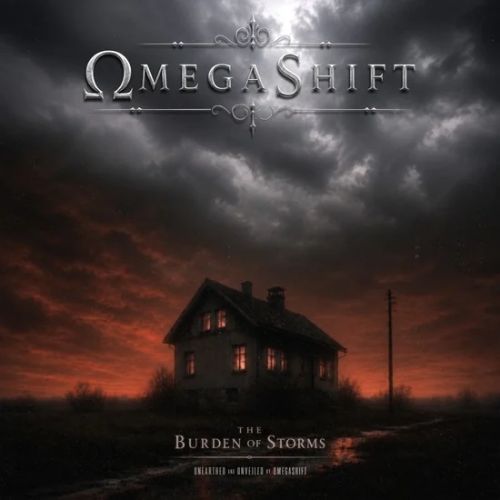
OMEGASHIFT – The Burden of Storms
Melodic doom shaped by hope.
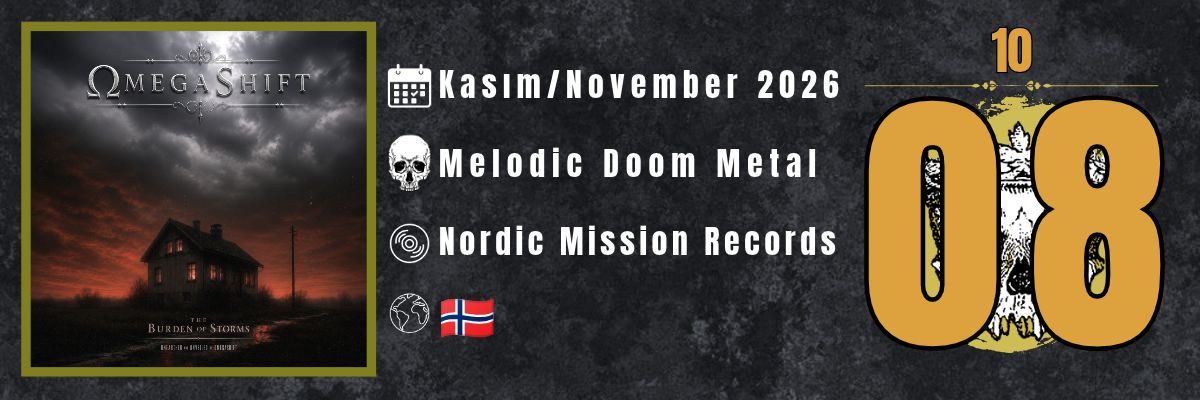
Norwegian band OMEGASHIFT brings together doom metal’s slow-moving, weighty guitars and the brighter side of melodic heavy metal within the same compositions. Following their 2022 mini-album "Veil of Sound", "The Burden of Storms" is the band’s second release and finds them developing this combination through more expansive compositions. Released on November 20 through Nordic Mission, the album reflects an approach built around the collective contributions of five musicians, valuing the natural results of playing together over the pursuit of a perfectly orchestrated studio performance.
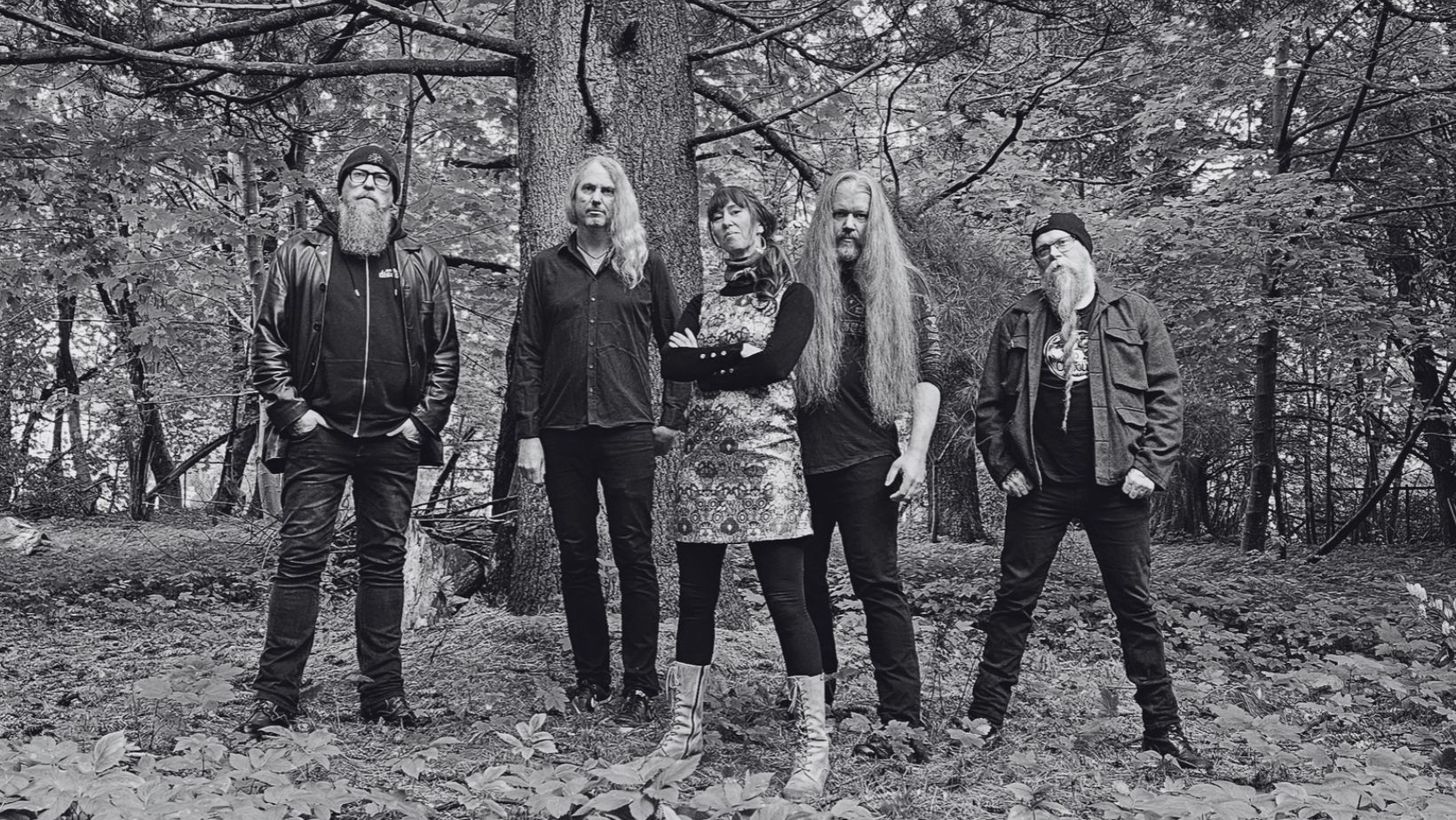
One of the elements that best embodies this approach is Jorunn Aateigen’s vocal performance. While female vocals in doom metal are often associated with particular soprano techniques, harsher vocal styles or gothic atmospheres, Aateigen occupies a considerably different expressive space. Her delivery, which recalls folk rock and traditional folk music, defines the melodic character of the songs through its clear tone and impressive range. Rather than simply placing words over the rhythmic framework, she delivers each line as a narrative with its own sense of meaning. Her transitions from a fragile delivery in the quieter passages to soaring high notes create an intriguing contrast with the weight of the guitars. As a result, OMEGASHIFT’s vocal approach is no longer merely an unusual addition to their music; it has become one of the defining elements of the band’s identity.
Opening track 'While Men Slept' provides an excellent introduction to the different facets of that identity. Thick, slightly rough-edged guitar riffs combine with a rhythm section in which the bass is particularly prominent, establishing a weighty foundation. Once Aateigen’s vocals enter, the song takes on another dimension. The distance between the guitars’ harshness and the openness and emotional quality of her delivery becomes one of the composition’s central dynamics. Running for more than eight minutes, the track refuses to maintain this contrast at a single level of intensity. Passages in which the distortion recedes, allowing reverberant clean guitars and vocals to come forward, make room for the rhythm section to build again. When the drums and bass reclaim their weight, the preceding moments of calm take on greater significance. The lyrics addressing humanity’s destructive side also find their musical counterpart in these shifts in intensity.
'Spheres of Solace' approaches the dark atmosphere established by the opener from a different angle. Beginning with reverberant clean guitars, the composition gradually expands as the bass and cymbals become increasingly prominent. As distortion enters and the guitars grow heavier, the sections in which Aateigen moves away from words and into vocalisations take the melodic structure in another direction. Her vocal lines, particularly when reaching higher registers, rise alongside the guitar melodies. The guitar solo and varied drumming in the latter part of the song introduce a more animated dimension that moves beyond its otherwise weighty doom character. The composition settles down again towards the end, while its lyrics concerning death and light further establish the album’s thematic direction.
'Dwell Suspended', meanwhile, brings the guitars closer to traditional heavy metal territory. Its continuously advancing heavy riffs gain a more direct structure through the drums’ firm rhythmic drive and the underlying support of the bass. Compared with the atmospheric expansions found on the preceding tracks, rhythmic movement and the physical weight of the guitars take greater precedence here. A more animated passage towards the end also demonstrates how effectively this approach could translate to the stage.
'Nightfire' contains one of the album’s most interesting arrangement choices. Following an opening dominated by bass and drums, clean guitars and vocals move to the forefront. What makes the arrangement particularly compelling is the way the rhythm section maintains the song’s weight even when the guitars move away from distortion. The drums occasionally accelerate and expand their patterns, preventing the more restrained melodic passages from losing their impact. The gothic atmosphere created by the minor-key tonality and reverberant guitars further defines the song’s aesthetic character. This arrangement is one of the album’s strongest moments, demonstrating that OMEGASHIFT do not rely solely on the intensity of guitar distortion to establish the weight of their music.
With 'Army of Bones', a denser and more introspective atmosphere returns. The bass guitar’s groove-oriented movement, the drums’ steady pulse and the slowly advancing guitar riffs form the foundation of the track. Rather than disappearing into this dense instrumentation, Aateigen’s clear vocals establish a dialogue with it. The imagery of despair and fading light in the lyrics occasionally opens towards a more hopeful melodic direction, but the composition never allows this shift to become a lasting sense of relief. This movement between darkness and light reflects the broader narrative of human struggle and the search for hope running throughout the album.
Closing track 'Council of Clouds' brings OMEGASHIFT’s heavy metal side into sharper focus. The forceful, repetitive riffs in its opening section gain a sense of movement through the interplay with acoustic guitar passages. When the guitars move towards more melodic territory, the clarity of the vocals creates a strong contrast with the density of the instrumentation. As the song progresses, choir-like synths rising in the background broaden the scale of the composition. Following a fast guitar solo, the track returns to its heavy riffing before reaching its conclusion, bringing the album’s different musical facets together in a single finale. Some of the riffing also recalls METALLICA, offering a clear example of the band’s connection to the traditional heavy metal legacy.
Alongside the main album tracks, 'Tread the Ashes' and 'Lazarus Brigade', recorded live at Kick in 2024, are also included as bonus material. 'Tread the Ashes' is particularly notable for its marching rhythmic character, introducing a different kind of movement to the compositional variety found on the main album. With every track running for more than six minutes, OMEGASHIFT clearly favour extended compositions that develop through contrasting sections over short, direct song structures. Although not every minute is used equally effectively, the transitions between clean guitars, heavy riffs and changes in vocal delivery become more apparent with repeated listens.
The production approach cannot be considered separately from this musical philosophy. "The Burden of Storms" was recorded without a click track, Auto-Tune or drum quantisation, using real drum performances throughout. This choice preserves the natural interaction between the instruments. The performances do not always demonstrate perfect precision, and occasional rough edges reveal the recording’s lack of polish. Nevertheless, this natural approach does not always work in the album’s favour; tighter arrangements and a more controlled sonic balance in certain places could have strengthened the impact of the compositions. Even so, this philosophy has a meaningful place within the band’s musical identity. Rather than turning the individual contributions of five musicians into a single, perfectly polished studio performance, OMEGASHIFT have chosen to preserve the feeling of playing together.
The album’s aesthetic coherence is further reinforced by its lyrical exploration of humanity, destruction, death and the search for hope. Themes of light, salvation and overcoming darkness, particularly those that can be associated with Christian belief, bring the band’s search for a positive message into sharper focus. The intention is not to ignore the darker side of the world, but to seek another source of meaning and hope in the face of that reality. Considering how frequently doom metal builds its atmosphere around mourning, despair and pessimism, OMEGASHIFT’s thematic choices offer a different perspective. This optimism does not diminish the weight of the instrumentation, either. On the contrary, the relationship between the melodic openness of the vocals and the dark tone of the guitars is central to the album’s artistic character.
While bringing together elements of melodic doom metal, traditional heavy metal and hard rock, "The Burden of Storms" does not pursue a formula that can be easily categorised. What makes OMEGASHIFT particularly compelling is their decision to bring these different musical approaches together around Jorunn Aateigen’s distinctive vocal delivery and an organic performance philosophy, rather than using them merely to create variety. A tighter compositional discipline could have increased the impact of some of the longer tracks; nevertheless, this is music that does not reveal all its details on first listen, gradually offering more with each return. By introducing a more hopeful and melodic expressive dimension to the dark aesthetic of contemporary doom metal, OMEGASHIFT demonstrate that it is possible to develop a distinctive voice without abandoning the genre’s traditions.

Omegashift
https://www.facebook.com/OmegaShift
https://www.instagram.com/omegashift
https://omegashift.bandcamp.com
Nordic Mission
https://www.nordicmission.net
https://nordicmission.bandcamp.com
https://www.facebook.com/nordicmission
https://www.instagram.com/nordicmission