ALBUM REVIEW
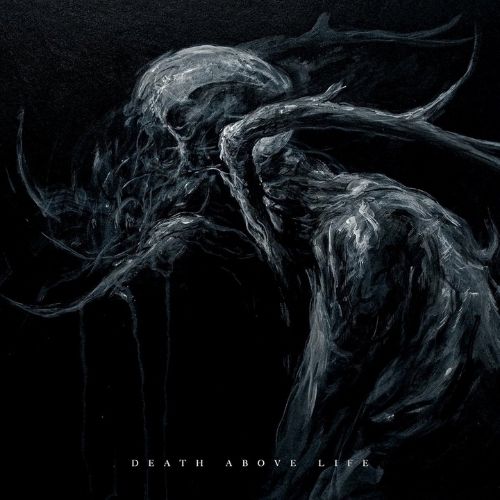
ORBIT CULTURE – Death Above Life
Melodic death metal meets electronic cinematic grandeur.
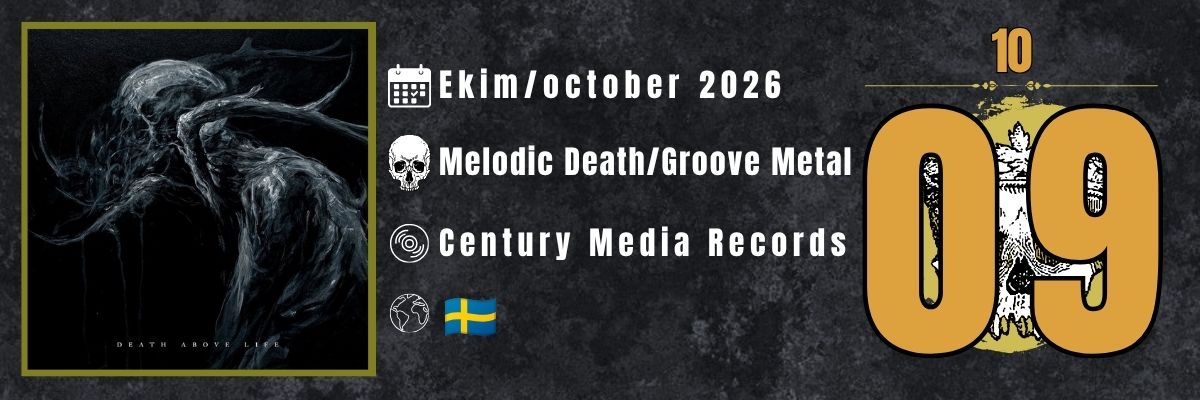
ORBIT CULTURE’s ability to bridge melodic death metal and modern metalcore has become one of the band’s most recognisable traits over the years. “Death Above Life” takes this identity to a broader scale. The formula of combining Niklas Karlsson’s harsh vocals with melodic choruses remains intact, while the weight of the guitars, the use of electronic textures and orchestral arrangements open up a wider dramatic space. The result is an album that brings familiar elements from the band’s previous work together around darker, more ambitious compositions.
Opening track ‘Inferna’ immediately establishes the boundaries of this approach. Its tightly compressed guitar riffs, mid-tempo rhythmic framework and Karlsson’s distinctive, impressive vocal tone create two complementary modes of expression, even if they do not always move in the same direction as the song’s melodic chorus. Spanning nearly seven minutes, the composition brings together different sections and dynamic shifts rather than relying on the constant repetition of a single riff idea. What stands out is the band’s ability to make a direct impact without abandoning the extended song format. At the same time, the dense arrangements keep the tension at a consistently high level, occasionally limiting the contrast between sections.
‘Bloodhound’ and ‘Inside The Waves’ represent the album’s more direct side. The former stands out for its rhythmic movements, which recall the mechanical aggression of industrial metal, while the latter establishes a more immediate melodic pull through its clipped guitar attacks and memorable chorus. On ‘Inside The Waves’, the clean-sung chorus creates a sharp contrast with the song’s heavier passages, while the guitar solo and breakdown prevent the composition from becoming a song built around its chorus alone. The kind of immediacy that could help ORBIT CULTURE reach a wider modern metal audience is unmistakable here. Even so, accessibility is not such a dominant factor that it makes the rest of the album less interesting; the band’s real focus lies in developing large-scale compositions rather than chasing individual hits.
‘The Tales Of War’ is one of the clearest examples of this approach. Opening with a symphonic introduction, the track quickly takes on a more aggressive character through mechanical guitar patterns, hard-hitting drums and fractured rhythmic movements. The electronic and orchestral layers do not remain decorative touches confined to the intro; they contribute to the composition’s dramatic ascent. Particularly in the finale, where vocal layers with contrasting qualities converge, the aggression of melodic death metal meets a more theatrical mode of expression. The track demonstrates how the band’s interest in cinematic music finds its way into metal arrangements: the expanding backdrop does not diminish the physical impact of the guitars and drums, but places it within a larger framework.
‘Hydra’ operates on a similar sense of scale. The weight generated by its half-time passages brings the guitars into sharper focus, showing that the track can make an impact without constantly increasing its tempo. ‘Nerve’, meanwhile, uses a gradually unfolding intro, rising synth textures and harsh vocals to incorporate melodic expression into a broader composition. In both tracks, the electronic elements serve a purpose beyond simply making the music sound modern. They fill the gaps between guitar riffs and expand the dramatic scope of the compositions. Nevertheless, the distinction between dense layering and strong songwriting is not always maintained; in some passages, the sense of grandeur takes precedence over the development of the musical ideas themselves.
The album’s production cannot be separated from these choices. Produced by the band and mixed by Buster Odeholm, “Death Above Life” creates a broad, weighty sonic landscape built around exceptionally thick guitar tones and a prominent low end. When the repetitive strikes of the rhythm guitars, electronic layers and drums converge, the resulting density reinforces ORBIT CULTURE’s mechanical, modern character. But this approach comes at a cost. In some passages, the inner detail of the guitars and the rhythmic layers begin to merge into a massive block of sound, while the overall loudness can diminish the dynamic distinctions between songs. The mix’s physical impact is undeniable, but more breathing room could have served the music well, particularly in passages where the intricate arrangements come to the fore.
This issue is also connected to a broader choice in the band’s songwriting. ORBIT CULTURE tends to combine different riffs and electronic textures within a consistently high-density framework. ‘The Storm’, with its symphonic elements, prominent melody and more straightforward guitar chords, represents the more accessible side of this approach. The track’s marching rhythms and melodic emphasis occasionally evoke AMON AMARTH, but the band’s modern production and electronic details draw this familiar approach into its own sonic world. Elsewhere, however, the balance between the album’s dark character and its fondness for big choruses is not always equally effective. In some passages, the melodic emphasis does less to deepen the tension created by the preceding heavier sections than to reshape it into a more immediately digestible form.
‘Neural Collapse’ stands out for its more mechanical rhythmic approach. Repetitive guitar attacks and industrial-tinged movements give the track an almost machine-like progression. Here, the guitar-driven tradition of melodic death metal intersects with the rhythmic aggression of djent and industrial metal. This combination helps explain ORBIT CULTURE’s place in contemporary metal: the band retains its commitment to traditional melodic riffing while drawing on the sharper arrangement techniques of modern production and metalcore. Yet this intersection does not, in itself, guarantee originality. The album’s distinguishing quality lies less in developing techniques that have never been heard before than in bringing these different elements together under a recognisable band identity.
Closing track ‘The Path I Walk’ stands apart from the rest of the album. Orchestral arrangements, more delicate guitar melodies and Karlsson’s vulnerable vocal delivery push the aggression that dominates the preceding tracks into the background. As the composition unfolds, the dramatic drums and strings grow more intense, but rather than building towards a conventional metal finale, the song retains its ballad character. This choice provides a meaningful alternative to the high-intensity approach that runs throughout much of the album. The more exposed quality of the vocal performance gives the melodic line greater weight and prevents the orchestral finale from becoming merely a grandiose closing flourish. Demonstrating that ORBIT CULTURE’s musical language is not defined by heaviness alone, the track also marks the album’s most distinct aesthetic departure.
“Death Above Life” is less a radical stylistic shift in the band’s career than an expansion of its existing identity into a larger sonic space. The riff-driven and melodic traditions of melodic death metal converge with metalcore’s sharp transitions, industrial metal’s mechanical rhythms and symphonic arrangements. This combination comes into its own particularly on tracks that represent different facets of the album, such as ‘Inferna’, ‘The Tales Of War’, ‘Nerve’ and ‘The Path I Walk’. By contrast, the excessively dense mix and the limited dynamic variation in certain passages do not always support the album’s ambitions to the same degree.
What ORBIT CULTURE achieves here is an ability to harness the melodic structures that give modern metal its broad appeal without sacrificing aggression. Yet what makes “Death Above Life” significant is not simply its large-scale production or memorable choruses, but the band’s ability to bring these elements together within a coherent aesthetic whole. Greater dynamic openness and a more restrained approach to the arrangements on certain songs could have taken the album further. That said, it must be acknowledged that the details discussed in this review amount to subjective personal judgements about the album’s artistic qualities, and I am sure other fans will interpret them quite differently. What we have here is an album that asserts the ambitions of a band capable of preserving its own voice while bringing the traditional riffing of contemporary melodic death metal together with electronic and cinematic elements. To add my personal view to the closing thoughts of this review, ORBIT CULTURE undoubtedly represent the future of metal. Considering that the band is still, in my view, at the beginning of its most productive period, the prospect of following its development is incredibly exciting, especially as someone who has already had the chance to see them perform live twice.

https://www.instagram.com/orbitculture