
ALBUM REVIEW
ORBITA – Farewell to All We’ve Lost
Heavy riffs, melancholy and introspective melodies.
ORBITA’s debut album brings the weighty riffs of traditional stoner doom into a more introspective framework. The band, which began taking shape in 2020, initially embraced a raw, direct approach to doom on their first demo, "Into Nothingness I Walk". With "Farewell to All We’ve Lost", they take that foundation in a darker, more melodic and emotionally charged direction. Spanning four tracks and approximately 40 minutes, the album gives the band room to develop their compositions without rushing them, carving out a space between the weight of traditional doom and the atmospheric sensibilities of post-metal and post-rock.
Opening track 'Rotten Flowers' is one of the most balanced examples of this approach. Heavy guitar riffs spread across a broad sonic landscape, shaping the song’s progression, while the clean vocals do more than reinforce its gloom; they also give it a distinct melodic direction. The relationship between the weight of the riffs and the more vulnerable quality of the vocals is key to understanding ORBITA’s musical identity. The band employs the crushing repetition often associated with doom metal without pushing melody into the background. As a result, the heavier passages offer more than sheer physical weight; they also carry an emotional resonance.
At around nine minutes, 'Nèkyia' brings the balance between weighty guitars and melodic expression into sharper focus. Slow-moving riffs and heavy drum hits give the track a deliberate rhythmic character, while the mournful vocals hover above the arrangement. The guitar solo is one of its standout moments. In doom metal, solos risk disrupting a composition’s measured pace or becoming little more than a technical showcase. Here, the melodic line remains consistent with the song’s overall character, reinforcing the guitar’s role in the storytelling. Yet the track’s impact goes beyond its dark atmosphere. The sustained weight of the riffs creates room for melodic details to emerge.
In contrast to these two tracks, 'Marble Veil' broadens the album’s range through a more restrained use of the guitars. Gentle single-note passages and flageolet-like tones create a texture reminiscent of post-rock, while the retreat of traditional stoner riffs changes the song’s character. At around seven minutes, it is the album’s shortest track, yet it serves an important narrative function. The music sustains its intensity without relying on the constant repetition of heavy riffs. The largely unchanging, claustrophobic atmosphere reinforces the track’s introspective character, while the humming keyboard tones heard towards the end bring the piece to a distinct close. This stillness, however, also imposes a limitation. Although the atmosphere is compelling, the extended time spent on the same emotional plane leaves the impression that the tension could have been taken further.
Closing track 'The Spear', at approximately 14 minutes, brings together ORBITA’s different approaches. Following a heavy opening, the guitars and drums become more animated, breaking the prevailing stillness of the preceding tracks. The shift from clean vocals to harsher, growl-driven delivery also changes the music’s emotional tone. This transition shows that the harsher vocals serve more than a genre convention; they contribute directly to the track’s dramatic development. The arrangement gains momentum through tempo changes, reducing the risk of monotony that occasionally surfaces elsewhere on the album. The length of 'The Spear' is therefore about more than duration; it provides space for contrasting vocal and rhythmic approaches to meet within a single composition.
ORBITA’s musical language on this debut is best assessed not simply in terms of the genres it draws from, but in how it puts those influences to use. Stoner doom’s heavy, clearly defined riffs meet the mournful vocal tradition of classic doom metal, while atmospheric textures edging towards post-metal and post-rock emerge at various points. The connection between passages that recall WARNING’s melodic, emotionally driven approach to doom and the album’s more expansive, introspective sections helps define its aesthetic framework. Nevertheless, ORBITA does not radically transform these influences into an entirely new musical language. The band’s distinguishing quality lies in bringing familiar elements together with emotional consistency and treating melody as an integral part of heavy music.
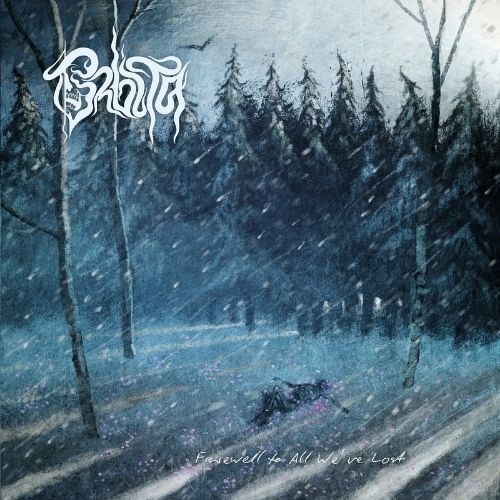
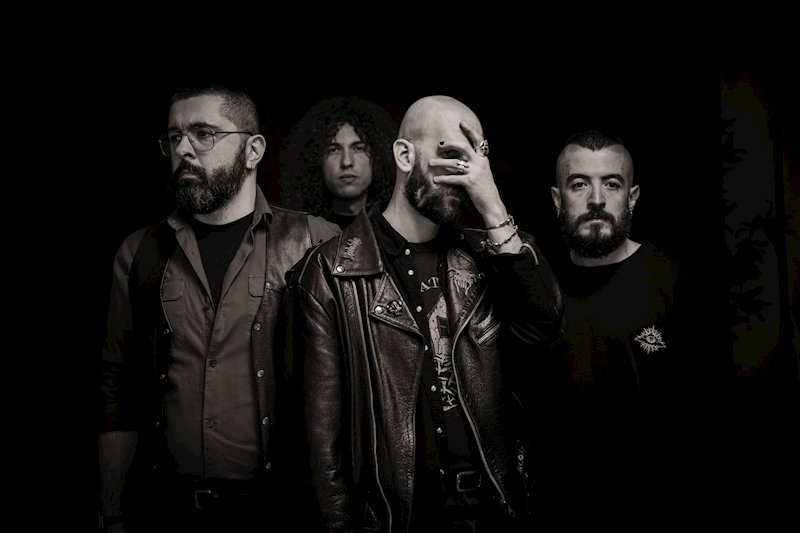
Matt Baldoni’s guitar work serves different purposes in both the denser riff passages and the more delicate sections. Gionni’s warm, mournful and distinctive clean vocals, meanwhile, sit at the heart of the album’s melodic identity. Although the consistency of this vocal approach throughout the record occasionally raises the need for greater variety, the depth of the performance and the strength of the melodic phrasing largely offset that risk. The more prominent use of harsher vocals on 'The Spear' also provides a necessary contrast within the album’s overall narrative. Virgile’s bass and Nunzio’s drums establish a controlled rhythmic foundation that supports the measured character of the compositions. Recorded and mixed by Enrico Baraldi at Vacuum Studio, the resulting sound preserves the mass of the guitars and the clarity of the vocals, providing the definition this musical approach requires. Benjamin König’s cover artwork also fits the album’s dark, melancholic aesthetic.
"Farewell to All We’ve Lost" is a debut that treats doom metal’s slow, weighty progression not as an end in itself, but as a means of developing melody and atmosphere. Although not all four tracks offer the same degree of dynamic development, 'Rotten Flowers', 'Nèkyia' and 'The Spear' in particular demonstrate the band’s ability to sustain emotional expression alongside heavy riffs. The album’s familiar genre references may prove limiting for listeners seeking a more innovative compositional approach or sharper distinctions in character between tracks. For those drawn to doom metal that combines sheer weight with introspective melodies and allows its atmosphere to unfold at an unhurried pace, however, ORBITA make a promising start. How the band develops its distinctive vocal identity through more varied compositions will determine whether the potential on display here grows into a lasting artistic identity.

facebook.com/orbitaband999
orbita999.bandcamp.com
auralmusic.com