EP REVIEW
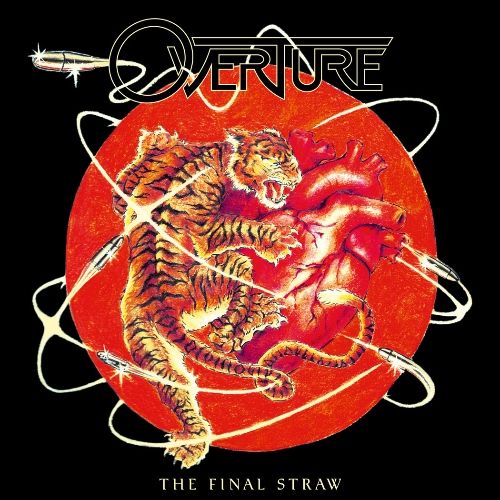
OVERTURE – The Final Straw
Melodic guitars meet traditional heavy metal.
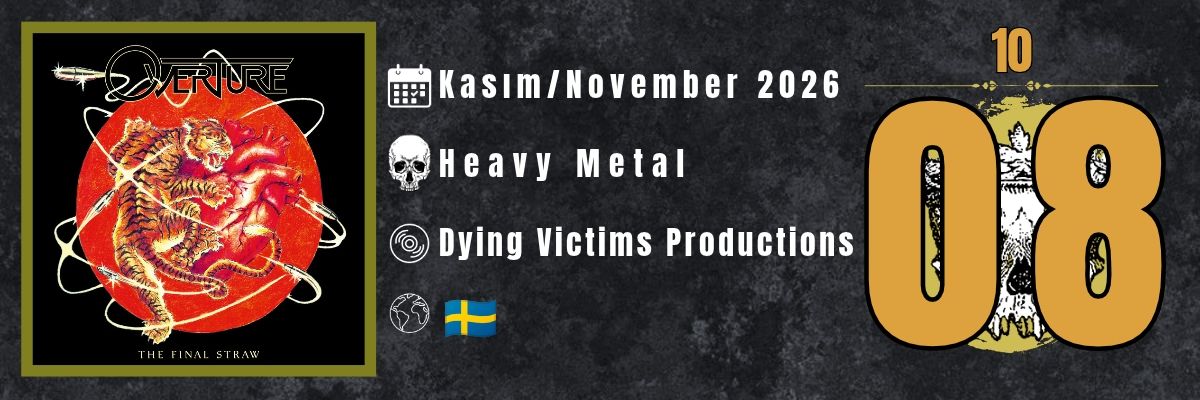
Stockholm-based OVERTURE was founded in 2021 by Adrian Tobar, driven by a vision of exploring traditional heavy metal and pushing the genre into new territory. Their "Demo 2022", released with the original lineup, attracted attention particularly within the traditional heavy metal scene, but the band ceased operations following the summer of 2023. After spending two years working with ETERNAL EVIL, Tobar brought OVERTURE back to life. Following the three-track EP released in early 2026, the band now returns with "The Final Straw", a five-track release. The new lineup features Marlon Nachsel on rhythm guitar, Wilmer Jansson on drums and Adam Sjö on bass, with Tobar handling guitars and vocals.
Rooted firmly in the Swedish heavy metal tradition, "The Final Straw" is shaped by melodic guitar work and a clear devotion to the anthemic choruses of classic heavy metal. The legacy represented by bands such as HEAVY LOAD and OVERDRIVE meets a more melodic approach here, occasionally edging towards hard rock territory. Bright guitar tones, twin harmonies and expansive melodic passages also bring to mind early recordings by DOKKEN and SCORPIONS. OVERTURE's nostalgic references, however, go beyond mere stylistic choices. The prominence of guitar solos within the compositions, in particular, demonstrates just how central melodic expression is to the band's musical identity.

The opening track, 'The Final Straw', immediately establishes the release's character through rapid alternate-picking passages, melodic guitar runs and flamboyant solo sections. Adrian Tobar's powerful, straightforward vocals complement the composition without overshadowing the guitars. The interplay between Tobar and Marlon Nachsel becomes particularly evident towards the end of the track, where machine-gun-like guitar picking and rising melodic lines sustain its energy right through to the final moments. 'Fading Away' takes a somewhat different approach, relying on recurring rhythmic motifs. A thick bass tone and prominent double-kick patterns drive the track forward, while its extended solo section stands out through twin-guitar harmonies and melodic transitions. Nevertheless, the frequent return of the central motif leaves room for greater compositional variety. The band's melodic strengths are far more effective when repetition is used with greater restraint.
'Lonely Awake' is one of the release's most interesting moments in terms of dynamics. Following its elaborate guitar harmonies, an acoustic passage brings the track down to a more measured pace. The transitions between powerful chords, driving rhythms and acoustic textures demonstrate that OVERTURE is not confined to high-speed heavy metal compositions. Layered vocals in the chorus further reinforce the song's melodic structure. 'Break on Me' employs a similar dynamic contrast in a more pronounced fashion. Opening with acoustic guitars, the track gradually gathers speed after Tobar's vocals enter, eventually erupting into high-tempo heavy metal. The tight interplay between the guitars and the contributions of the rhythm section strengthen the song's momentum, particularly during the solo passages. While certain sections recall the energy of RIOT CITY, the melodic guitar approach and vocal arrangements allow OVERTURE to retain its own character.
Following 'Break on Me', 'Escape' represents the release's most pronounced change of direction. Opening with piano melodies, the track develops a more restrained character through acoustic guitars and expansive chords. Tobar's vocal performance becomes more controlled and emotionally expressive, while the repeated use of the word 'Escape' in the chorus reinforces the song's atmosphere. The guitar solo also favours melodic expression over speed and technical showmanship, demonstrating that the release does not rely solely on high-energy passages. The piano melodies return towards the end, bringing the composition to a cohesive conclusion.
At five tracks and 24 minutes, "The Final Straw" gives the band enough room to showcase different songwriting approaches without overstaying its welcome. Nevertheless, the melodic guitar work that represents the EP's greatest strength occasionally gets overshadowed by repetitive songwriting. This is particularly noticeable on 'Fading Away', where certain passages would benefit from greater structural variation. Tobar's vocal performance suits the overall character of the release, although it does not always command the same attention as the guitars' melodic contributions. On the other hand, the variety brought to the songs by twin-guitar harmonies, solo passages and acoustic sections helps offset these limitations.
With "The Final Straw", their second EP since reuniting, OVERTURE demonstrates an approach that remains faithful to the familiar foundations of traditional heavy metal while enriching them with melodic variety and dynamic shifts. Rather than pursuing innovation, the band embraces the genre's established songwriting traditions and seeks to develop them within its own musical identity. Repetitive passages and vocal lines that could occasionally use more character prevent the release from fully realising its potential, but the guitar work and the memorable melodic passages that linger long after the songs have ended remain particularly impressive. OVERTURE still has room to grow, but "The Final Straw" is a successful heavy metal release that makes this return more than a routine comeback and raises expectations for what the band might deliver next.
