ALBUM REVIEW
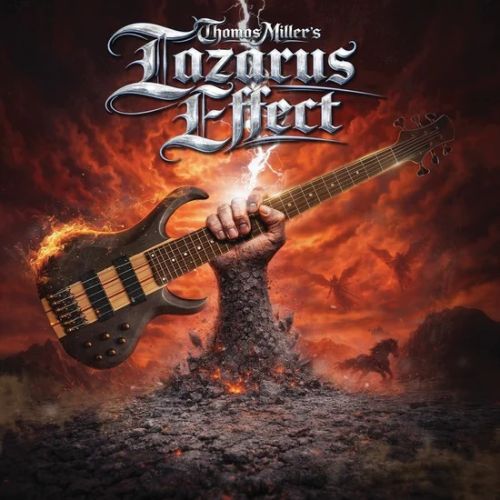
THOMAS MILLER'S LAZARUS EFFECT
Melodic progressive metal rooted in nostalgia
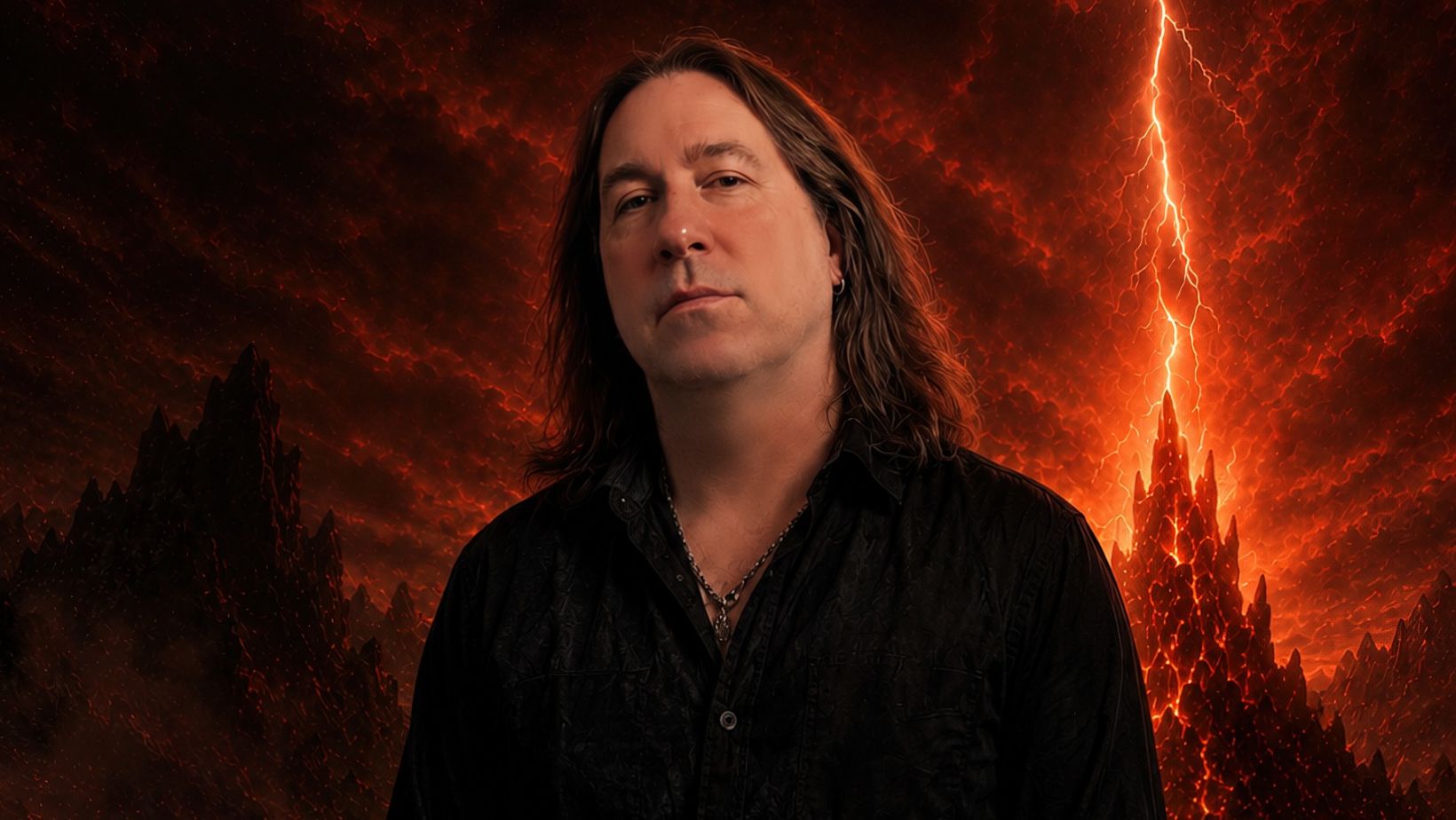
Thomas Miller, a founding member of SYMPHONY X's early lineup, is returning to the progressive metal scene after a lengthy absence. Having played bass on the band's first four albums between 1994 and 1999, Miller now returns with his new project, LAZARUS EFFECT. This comeback is best understood not simply as a personal creative endeavour, but as an invitation back into the grand progressive metal tradition of the 1990s. Featuring vocalist Howard Portney alongside former bandmates Michael Romeo and Michael Pinnella, the project brings together a lineup whose history offers important clues to the album's musical foundations. For fans particularly drawn to SYMPHONY X's "The Divine Wings of Tragedy" and "Twilight in Olympus" era, this reunion alone is enough to raise expectations.
Opening track 'Dark Horse' immediately establishes the direction of those expectations through its orchestral textures and classical choir arrangements. The interplay between neoclassical melodies, dramatic vocal passages and heavy guitar sections reveals the album's position somewhere between power metal and progressive metal. Howard Portney's vocals are a defining element here. His clean delivery and impressive range, coupled with occasional high notes bordering on operatic falsetto, reinforce the theatrical character of the compositions. While certain aspects of his approach recall a younger Russell Allen, Portney brings a more pronounced heavy/power metal character to the performance, particularly through his preference for soaring high-register vocals.
The guitars occupy a somewhat different position within the musical framework than one might traditionally expect from progressive metal. Although Michael Romeo's technical ability and solo work are unmistakably present, guitar virtuosity is not the sole driving force behind the album. Mid-paced, occasionally stop-start riffs work in tandem with shifting time signatures and keyboard arrangements. Miller's bass playing also extends beyond its role as rhythmic support, contributing melodic passages and establishing a compelling dialogue with the guitar. This relationship becomes particularly animated and technically involved during the instrumental section of 'All The Kings Horses'. The track initially adopts a more restrained guitar approach before expanding into an instrumental exchange between Miller and Romeo. Meanwhile, the vocal harmonies in the chorus carry a melodic character reminiscent of Kansas.
Keyboard arrangements are another essential element in completing the album's dramatic and occasionally symphonic character. Rather than turning the music into a continuous orchestral showcase, Michael Pinnella introduces piano, choir and atmospheric layers at carefully chosen moments. 'Closer To The Sun' is a particularly effective example of this approach. Beginning on a more subdued note, the track gradually becomes more intricate through its shifting time signatures and keyboard transitions, eventually arriving at a guitar solo that combines arpeggios with blues-inflected melodic phrasing. Its mystical atmosphere, which evokes images of ancient Egyptian civilisation, is shaped by the restrained keyboard arrangements and measured vocal delivery. 'Culmination', meanwhile, maintains a more consistently heavy guitar foundation without abandoning its atmospheric keyboard passages. Together, these tracks demonstrate the band's ability to strike different balances between technical display and melodic expression.
There are also moments when the album embraces a more straightforward heavy metal approach. Compared with some of the more structurally complex compositions, 'When Darkness Falls' follows a more immediately accessible song structure. Its heavy guitar foundation, atmospheric keyboards and memorable chorus make it one of the album's most approachable moments. The classic heavy metal references in the solo section further reinforce this character. By contrast, 'Fear No Evil' represents the album's more aggressive side, opening with war-drum-like percussion before accelerating into a faster tempo and more intense instrumental interplay. Miller and Romeo take a more prominent role here, while the melodic framework prevents the music from becoming an uncontrolled display of virtuosity.
What connects these different approaches is a clear allegiance to the progressive metal aesthetics of the 1990s. DREAM THEATER's compositional emphasis on shifting time signatures and structural changes, SYMPHONY X's neoclassical melodies and KAMELOT's dramatic power metal sensibilities form the album's principal musical reference points. Fans of CIRCUS MAXIMUS and REDEMPTION will also encounter plenty of familiar elements. However, the density of these references inevitably raises questions about the album's originality. Miller and his collaborators operate within a musical language that comes particularly close to SYMPHONY X's work from the second half of the 1990s. While this does not make the album's intentions any less clear, it does make establishing a distinctly separate identity within contemporary progressive metal more difficult. Rather than pursuing innovation, there is a discernible desire to revisit the compositional approach of a particular era and bring its strongest qualities back into focus.
Eric Rachel's mixing and mastering work is another important factor in supporting this musical direction. His involvement in the production of SYMPHONY X's first six albums makes his connection to the project all the more significant. The album sounds clean, balanced and sufficiently organic. The weight of the guitars, the melodic space occupied by the keyboards and the movement of the bass remain clearly audible without overpowering one another. The separation between instruments, particularly during the more technical passages, also makes it easier to follow the compositions' shifting structures. The production's refusal to adopt an excessively modern or sterile character further strengthens its connection to the progressive metal aesthetic of the 1990s.
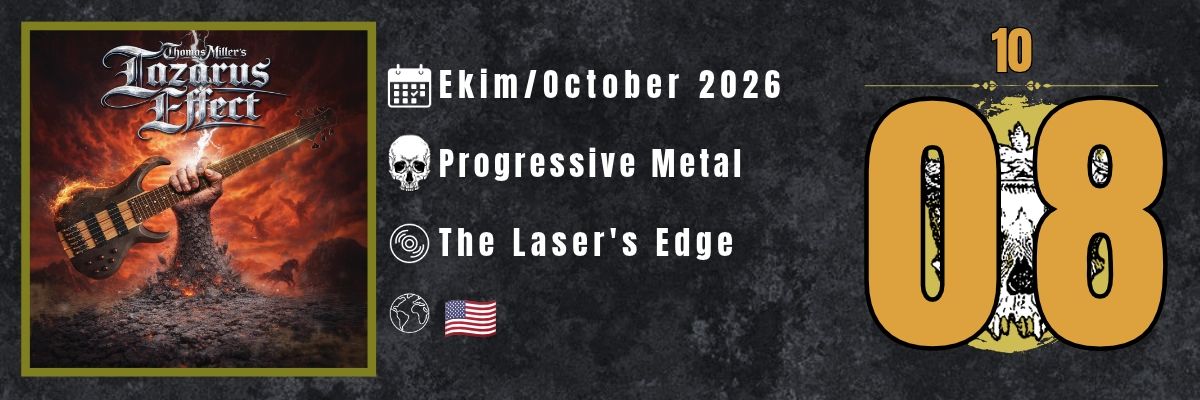
The eight-track album runs for approximately 49 minutes, finding an expansive conclusion in 'Sailing To Utopia'. This 13-minute composition, divided into five parts, moves from a restrained opening through lively instrumental passages and darker piano and choir sections before arriving at a melodic finale. The transitions between its various sections bring together musical elements encountered throughout the preceding tracks within a more expansive compositional framework. Here, technical performance, atmosphere and melodic storytelling complement one another. Its significance as the album's most elaborate composition goes beyond its length; it provides an opportunity to appreciate the project's different musical tendencies within a single, cohesive structure.
'Aria Etude', meanwhile, stands somewhat apart from the rest of the album as a short bonus instrumental. With its greater emphasis on piano and instrumental melodies, the piece feels more like a fragment of a broader musical idea than a fully independent composition. As such, it might have served a more meaningful purpose had it been developed further within the album's main sequence.
Thomas Miller's return to music also brings together a combination that has been anticipated in progressive metal circles for some time. For listeners who miss the melodic richness, neoclassical approach and intricate songwriting of SYMPHONY X's early years, "Thomas Miller's Lazarus Effect" offers a distinctly familiar listening experience. The album's most significant limitation, however, is that this familiarity occasionally prevents it from establishing an artistic identity of its own. Even so, the melodic strength of the compositions, the quality of the instrumental performances and the consistency of their dramatic character keep the record from becoming just another nostalgic reunion. Rather than defining a new direction for progressive metal, this release chooses to keep the grandiose sensibilities of the 1990s alive in the present, making it a rewarding listen, particularly for those who hold SYMPHONY X's formative years in high regard.

https://www.instagram.com/lazaruseffectofficial
https://www.youtube.com/@LazarusEffectOfficial
https://lasersedge.bandcamp.com