ALBUM REVIEW
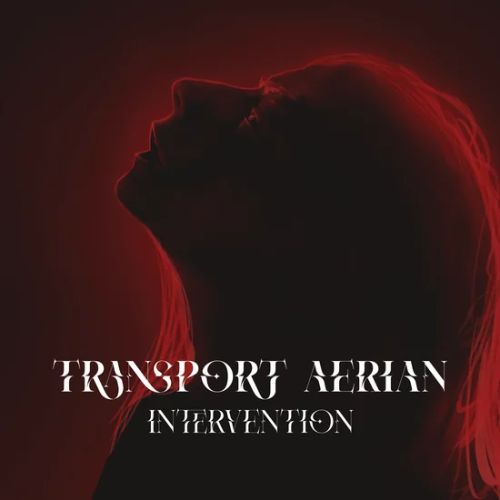
TRANSPORT AERIAN – Intervention
Theatrical, melancholic and experimental progressive rock.
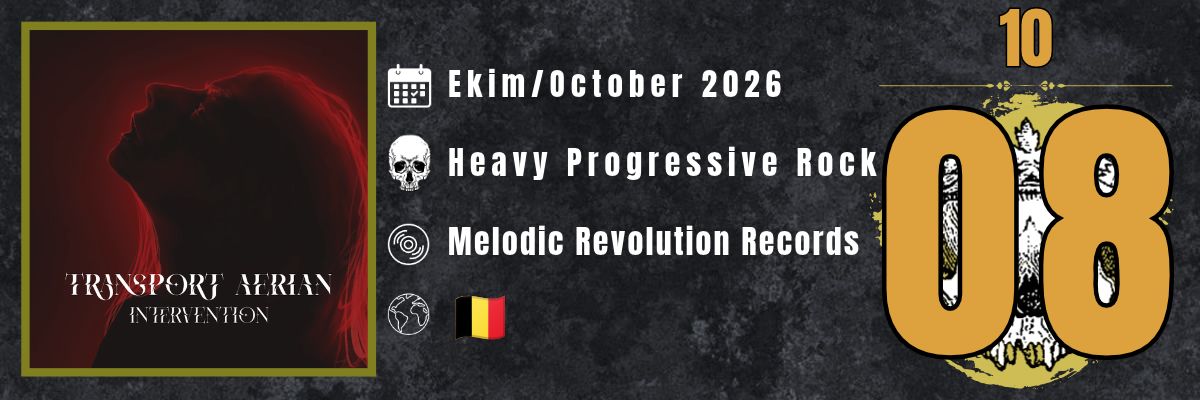
TRANSPORT AERIAN's "Intervention" is an album that moves beyond the conventional structural expectations of progressive rock, bringing together diverse musical approaches within a unified compositional framework. It demands patience and close attention from the listener. In the Belgian band's music, the weight of heavy guitars, orchestral textures, gothic darkness and experimental arrangements never remain disconnected elements. Instead, the transitions between them become defining features of the album's distinctive musical language. Particularly where classic progressive rock conventions intersect with alternative, gothic and doom influences, the resulting sound resists easy categorisation.
One of the most striking aspects of the songwriting is its ability to keep melodic ideas from disappearing beneath complex arrangements. Predominantly slow, lumbering rhythms sustain the dramatic tension of the songs, while the dense foundation laid down by the guitars takes on additional colours through the contributions of instruments such as violin and piano. Rather than flashy technical passages, the emphasis falls on atmosphere and the emotional movement within each composition. Rhythmic and structural choices that recall bands such as TOOL and DEAD SOUL TRIBE meet melodies that occasionally draw closer to the traditions of gothic rock and doom. Even so, TRANSPORT AERIAN's music cannot be explained through a single point of reference. These diverse influences function less as direct imitations than as integral components of the band's own musical vocabulary.
'She Never Knew' is one of the tracks that reveals the album's more fragile and melancholic side. Ethereal melodies and a measured progression build its emotional impact through carefully controlled atmosphere rather than sudden climactic shifts. 'The River Stands Still', meanwhile, establishes a memorable identity through its more theatrical vocal approach. The manic expression in the vocal performance creates an intriguing contrast with the mysterious, detached atmosphere that permeates the music. The differing approaches of these two tracks demonstrate the album's ability to develop a varied narrative without remaining confined to a single emotional register.
'Twisted Sculpture' is where this diversity becomes even more pronounced. Heavy string arrangements and female vocals that occasionally take on a hysterical quality broaden the track's gothic and theatrical dimensions. The lumbering progression of doom rock intertwines with the dramatic compositional sensibilities of progressive rock. In particular, the chorus provides a meaningful melodic payoff to the track's lengthy and painstaking development. By contrast, 'Fire In Vienna' opens up a different space within the album's flow through its instrumental and experimental approach. Stepping outside conventional song structures, this interlude demonstrates that the band does not restrict its music to vocal-led compositions.
Running for more than eight minutes, 'Angelique' is another significant moment, allowing the gothic doom influences to unfold across a broader musical landscape. Its structure, anchored by heavy guitars, is reinforced by atmospheric arrangements, while the dramatic progression never rushes the music forward. 'Relief', meanwhile, adopts a more fluid and abstract character through its instrumental approach. Closing the album, 'Child' brings this dramatic thread to an epic finale with its theatrical piano work and expansive composition. The contrasting identities of the individual tracks do not undermine the album's cohesion; instead, they keep TRANSPORT AERIAN's musical narrative from becoming predictable.
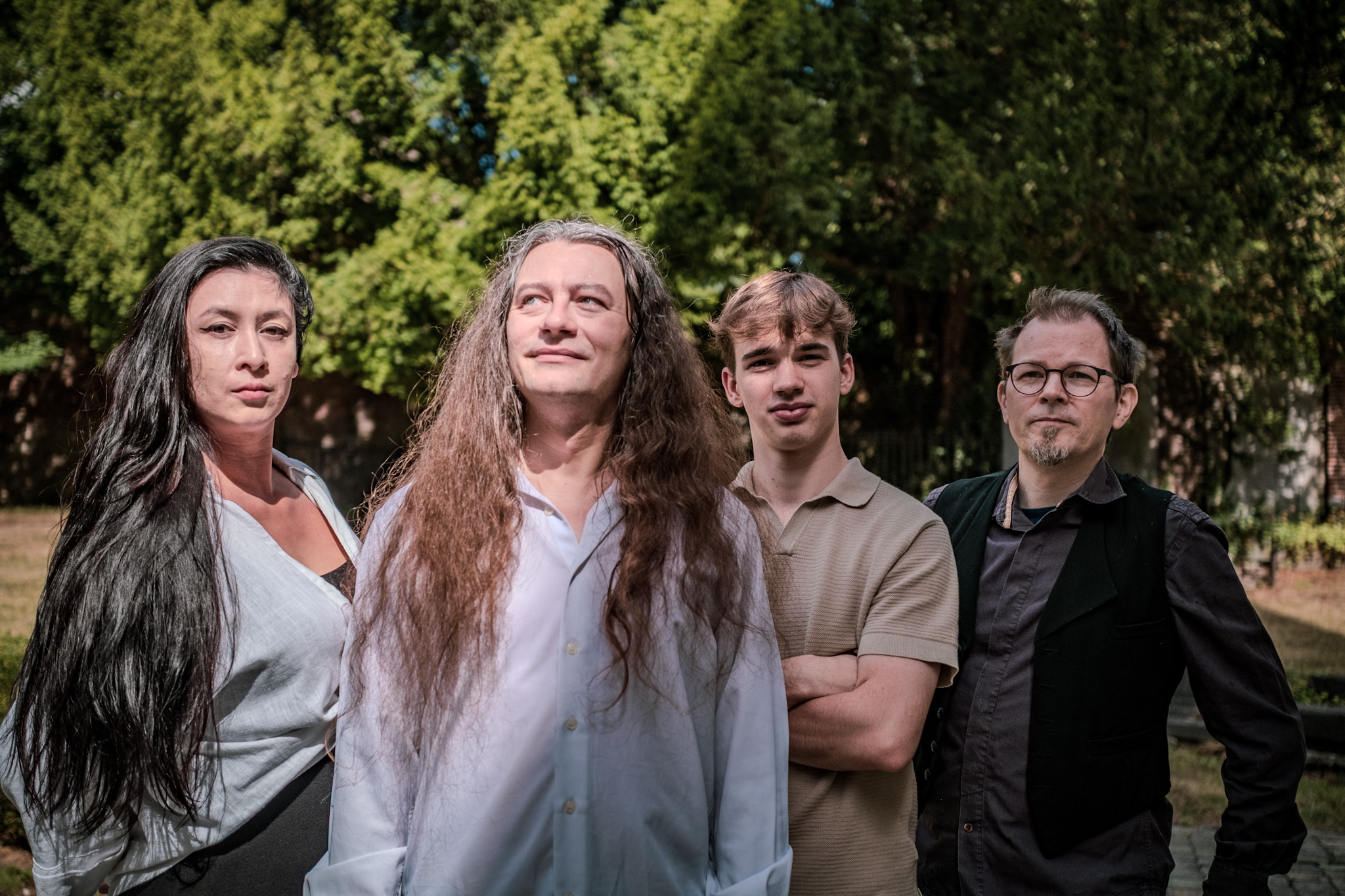
The album's production approach is equally suited to this compositional philosophy. Its choices, which lean towards a vintage sound aesthetic, help bring heavy guitars together with orchestral and atmospheric elements within a cohesive whole. Yasmien Pieters' violin work takes the music beyond the conventions of classic progressive rock arrangements, while Umut Eldem's piano contributions provide a defining colour, particularly in the more dramatic passages. The interplay between Hamlet's combined vocal and bass duties, Stefan Boeykens' guitars and Mauro Belmans' drums supports the songs' weighty yet shifting character. Here, the instruments do more than simply fill rhythmic or melodic gaps; they help shape the emotional direction of the compositions.
The greatest challenge facing "Intervention" lies in how it connects with its audience while bringing together so many different approaches. Its complex transitions, unconventional arrangements and theatrical delivery can make it difficult to follow the melodic connections between songs on a first listen. Some passages only reveal their full impact after repeated listens. As a result, this is far from an immediate or easily digestible progressive rock record. Nevertheless, its experimental choices are not there merely for the sake of sounding different; they serve as functional tools that expand the music's dark, melancholic and occasionally unsettling character.
With "Intervention", TRANSPORT AERIAN delivers a distinctive and difficult-to-categorise record that brings the traditional melodic language of progressive rock into contact with elements of gothic rock, doom and experimental music. Its arrangements can occasionally become overly labyrinthine, and its demanding nature may not resonate equally with every listener. Even so, its ability to bring diverse musical ideas together into an organic whole without separating atmosphere from melody is a significant strength. For listeners who value the emotional and dramatic development of a composition over conventional songwriting, "Intervention" is well worth discovering.
