EP REVIEW
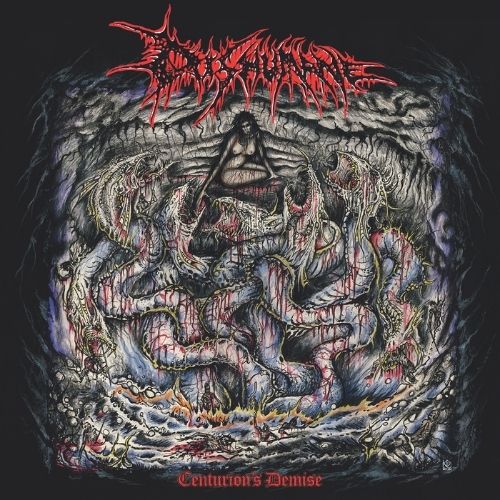
DISHUMANE - Centurion's Demise
Dark Death Tradition
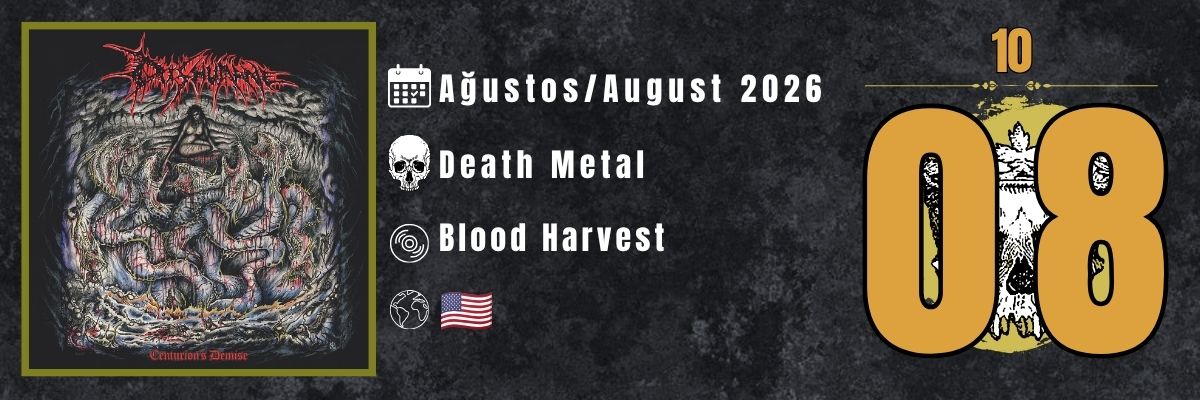
Nevada-based death metal trio DISHUMANE step onto the scene with their first official recording, "Centurion's Demise", combining the legacy of 1990s American death metal with the aggression of early 2000s brutal death metal. Built around guitarist James Shanks’ vision, the band reshapes the dark atmosphere of classic USDM tradition through dense riff structures and relentless rhythmic force. Released via Blood Harvest Records, this four-track EP stands as a powerful first statement laying the foundation for the band’s future full-length efforts.
DISHUMANE’s "Centurion's Demise" EP is built around a concise yet intense compositional approach that intersects the traditions of 1990s American death metal with the brutality of the early 2000s. This four-track, approximately 15-minute release does not attempt to redefine the classic formulas of the genre; instead, it demonstrates through riff writing, rhythmic emphasis, and dark atmosphere why the old school death metal aesthetic remains effective through a carefully executed approach.
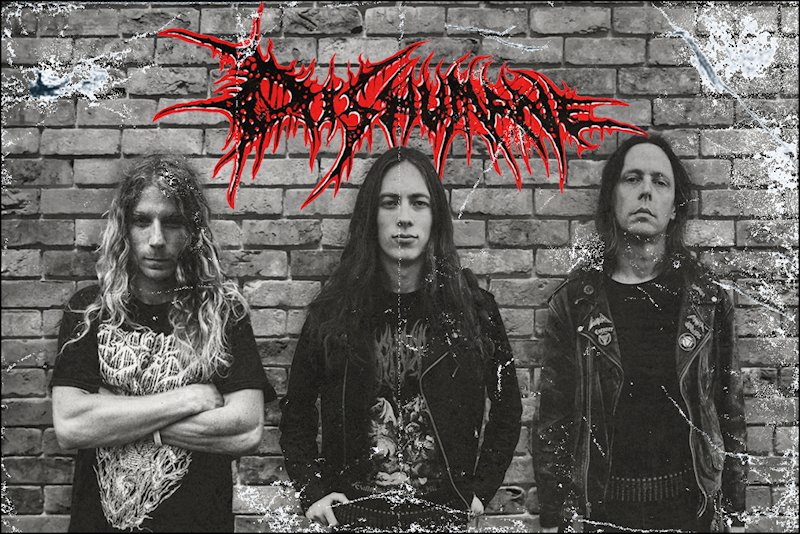
Shaped by guitarist James Shanks, DISHUMANE’s musical identity is firmly rooted in the 1990s USDM tradition. However, the band’s approach is far more than a nostalgic recreation. While the riff structures carry the influence of atmosphere-heavy acts such as Morpheus Descends, Immolation, and Incantation, the rhythmic aggression draws from the more mechanical and forceful approach of early brutal death metal. This combination separates DISHUMANE from the many contemporary releases that merely imitate an “old school” atmosphere, as the band builds its songs around structural movement as much as atmospheric creation.
The EP’s opening track ‘Conquering the Forlorn’ clearly establishes this approach. Its simple yet crushing riff progressions are expanded through sudden tempo shifts and drum-driven rhythmic breaks. The song’s particularly percussive character recalls the physical weight of early brutal death metal, while the guitars’ pinch harmonic accents and downtuned tones reinforce the dark atmosphere associated with Incantation. What stands out here is that the band does not turn complexity into a display of technical ability; instead, they create tension by placing simple motifs into different rhythmic contexts.
The title track ‘Centurion's Demise’ emerges as the EP’s most intense moment. This is where DISHUMANE’s brutal death metal side is presented most clearly, both in terms of riff density and vocal aggression. James Shanks’ vocal approach leans toward the sharper and more threatening delivery styles of early death metal, while the song’s guitar structures recall the direct and aggressive riffing logic of Deicide’s early work. However, the influence never reaches the level of imitation; instead, the band attempts to merge different eras of death metal expression into a single compositional language.
The closing track ‘Soul Spun Malice’ demonstrates that the band is not solely focused on speed and heaviness. Standing apart from the other songs through more prominent lead guitar work and atmospheric transitions, the track offers hints toward directions DISHUMANE could further develop in the future. The way the guitar melodies merge with the darker atmospheric elements reveals the band’s interest not only in the physical impact of brutal death metal but also in the deeper, suffocating forms of expression associated with Incantation’s influence.
One of the EP’s most important aspects is how directly the lineup choices connect with the band’s musical objectives. Charlie Koryn’s drumming does more than simply increase the speed of the songs; it provides a dynamic backbone capable of carrying the weight of the riffs. Koryn balances the traditional death metal blast beat approach with more controlled rhythmic accents, while Chuck Sherwood’s bass contribution creates a solid foundation supporting the low-end spectrum. These choices show that DISHUMANE sought not only technical ability during the recording process but also a deep understanding of the genre’s historical character.
From a production standpoint, "Centurion's Demise" avoids the overly sterile approach often associated with modern extreme metal, embracing a more organic and heavy sound character. The guitar tones are dense while remaining balanced enough to preserve the details within the riffs; the drums, particularly during blast sections, carry physical impact rather than mechanical precision. This choice also aligns with the EP’s visual and aesthetic identity. Blood Harvest Records’ presentation, positioned close to the traditional death metal aesthetic, supports the genre references within the music, though visually it continues an established tradition rather than introducing a new direction.
DISHUMANE’s approach exists between two different tendencies within the current death metal landscape: the old school movement that revives the dark atmosphere of the past, and the modern brutal death metal approach pushing toward more technical and extreme territories. "Centurion's Demise" occupies a balanced position between these two areas. The band preserves the structural discipline of early death metal while incorporating the intensity of brutal death metal into its sound. However, the EP’s greatest potential for growth lies in expanding riff diversity and adding more melodic detail in future releases.
"Centurion's Demise" does not seek to introduce a new genre language; instead, it demands a riff-centered and atmospheric listening experience built upon a careful understanding of death metal’s foundational elements. At this stage, DISHUMANE are not transforming the traditions of the genre but rather reapplying them with a high level of execution. Yet this debut recording demonstrates that the band is not simply looking backward; they possess the musical foundation needed to reposition the classic death metal language within the contemporary scene.
OZAN