
ALBUM REVIEW
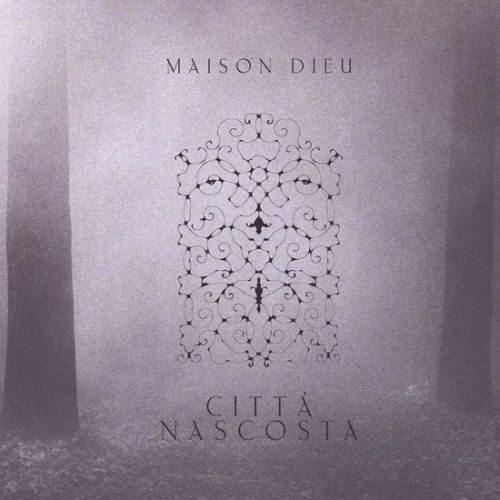
MAISON DIEU – Città Nascosta
Psychedelic doom meets ritualistic folk.
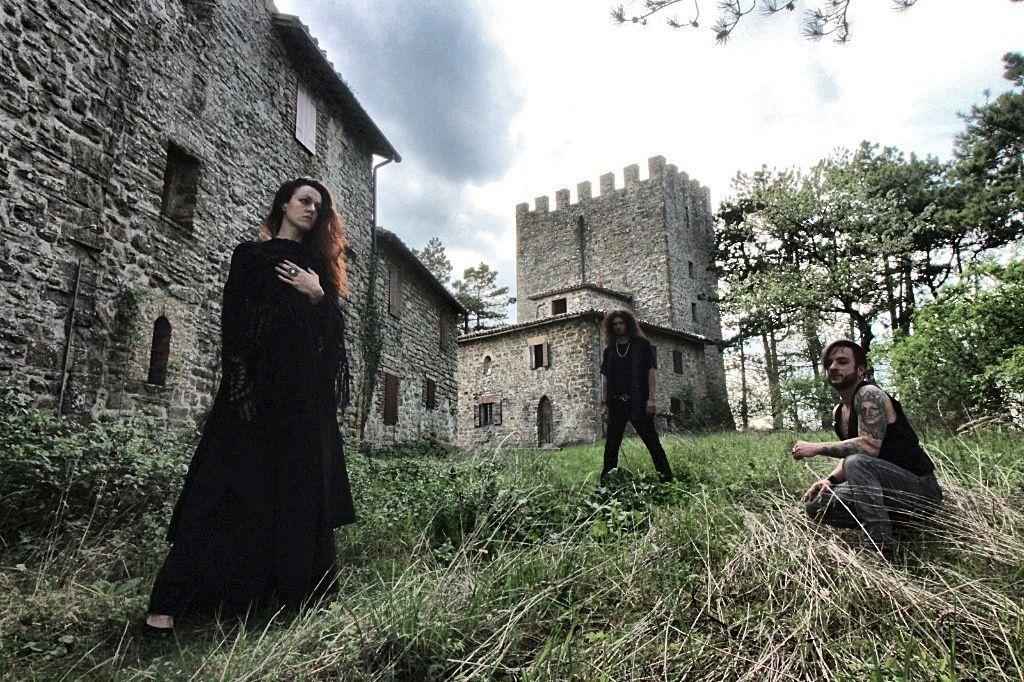
MAISON DIEU, a band seeking to carve out its own space within Italy’s doom scene, have released their first full-length album after more than a decade of building towards it. Formed in 2015, the trio bring together the weight of doom metal guitars with elements of psychedelic rock, occult rock and folk on "Città Nascosta", following 2025’s "Herbacea" EP. The resulting sound brings the ritualistic folk traditions of Northern Europe into contact with the distinctive melodic character of Italian music, all within the same atmosphere. This combination is one of the key elements that takes the album beyond the familiar boundaries of doom metal.
Opening the nine-track record, ‘Caligramma’ offers a useful introduction to MAISON DIEU’s musical approach. Its tightly controlled rhythmic structure, heavy guitar riffs and occult rock influences establish a framework firmly rooted in doom metal. Yet the weight created by the guitars takes on another dimension through the melodic character of the vocals. Ester’s performance is more than a mere accompaniment to the dark instrumentation; it becomes one of the defining elements of the songs’ melodic identity. Mauro’s bass and Ivan’s drums, meanwhile, give the music its momentum without confining it to conventional doom metal formulas.
One of the album’s more distinctive choices is Ester’s use of three different languages. Alongside Italian and English, she also sings in a language of her own creation, placing greater emphasis on the musical function of the voice than on the literal meaning of the lyrics. This approach comes into its own particularly in passages where the ritualistic and folk influences become more pronounced. The vocal melodies sometimes soften the dark character of the instrumentation, while at other times they deepen the music’s mysterious atmosphere. The album’s mystical quality, then, does not stem solely from its guitar tones or rhythmic choices; the language of the vocals and the way they are used are equally important parts of this aesthetic world.
‘Resta’ is one of the strongest examples of MAISON DIEU navigating between genres. With its neo-folk character, the track moves away from the album’s doom-heavy passages and towards an older, more ceremonial musical sensibility. Here, darkness does not have to be built through sheer volume, dense guitars or forceful rhythms. The track’s relatively stripped-back structure and vocal approach demonstrate the band’s ability to bring different forms of musical expression together. ‘River’, meanwhile, broadens this variety through a different approach. At just over three minutes, it is the album’s shortest track, pulling back from the intensity accumulated elsewhere to bring its low-end frequencies and the space within its arrangement to the fore. This prevents all nine tracks from maintaining a similar level of intensity. The contrast between the compressed structure of ‘Caligramma’ and the more expansive, restrained soundscape of ‘River’ suggests that the album’s dynamic arrangements are no accident.
‘Resta’ is also notable for retaining its dark character without sacrificing its energy. Its sound, which steers away from the upper frequencies, gives the music a more introspective quality without stripping away its rhythmic and dynamic movement. ‘Dio Ci Vuole Nudi’ adds a different shade through its string-like textures. This element in the arrangement shows that MAISON DIEU draw on their folk influences not only through vocal melodies but also by diversifying the instrumental palette. Even so, the arrangement feels as though it could use a little more fullness. Some of the track’s ideas are left without being developed sufficiently.
‘Bella Damina’ and ‘Uroboro’, where the band’s engagement with Italian folk traditions becomes more pronounced, broaden the album’s cultural frame of reference. The melodic approach in ‘Uroboro’ in particular brings the distinctive character of traditional Italian music together with the heavy guitars of doom metal. On the title track, meanwhile, the use of vocals that evoke Northern European folk music takes centre stage. The presence of influences from these different regions on the same album shows that MAISON DIEU are not limiting themselves to a single interpretation of folk. There are points of convergence with the way bands such as MESSA and CHELSEA WOLFE establish a relationship between darkness, melody and heaviness. At the same time, the incorporation of Italian folk elements gives MAISON DIEU an opportunity to develop an identity that sets them apart from these reference points.
The problem is that this broad range of influences does not translate into an equally distinctive compositional approach on every track. ‘River’ and ‘Loba’ in particular struggle to establish sufficiently individual identities, with aspects of both recalling MESSA’s more recent work. At over six minutes, ‘Loba’ could have presented its ideas in a more economical arrangement. The relationship between the track’s length and the musical material it develops points to one of the compositional shortcomings that become apparent in the album’s second half. The variety and dynamic shifts found in the earlier tracks are not sustained by an equal supply of new ideas across the final three. As the album moves from ‘Uroboro’ through ‘Loba’ to ‘Angry Clement’, its musical approach becomes more predictable, leaving the closing stretch less compelling than the first half.
Even so, ‘Angry Clement’ offers a closing example of the band finding a more balanced relationship between its musical components. The guitars rooted in doom metal, Ester’s vocal melodies and the folk-influenced passages come together to form a shared character rather than overshadowing one another. This balance also points towards the direction MAISON DIEU should pursue on future releases. Bringing together influences from different genres is not enough in itself; how these elements relate to one another ultimately determines how distinctive the resulting music can be.
"Città Nascosta" offers considerable musical variety and a willingness to explore different aesthetics for a debut full-length. Rather than adhering to doom metal’s traditional boundaries, MAISON DIEU choose to move between different musical territories, combining the genre’s weight with psychedelic textures, ritualistic folk and melodic vocals. The most successful results of this approach emerge in the contrasting arrangements of tracks such as ‘Caligramma’, ‘Resta’, ‘River’ and ‘Angry Clement’. On the other hand, the way some compositions are developed and the recurring choices in the second half suggest that the band have yet to establish a fully distinctive compositional language of their own. Still, these shortcomings do not overshadow the potential on display here. The real challenge ahead for MAISON DIEU is not to introduce even more influences into their music, but to bring the rich material they already have together under a more recognisable identity.
