
ALBUM REVIEW
FUCKED UP – Year Of The Rooster
Expansive hardcore punk with progressive experimentation.
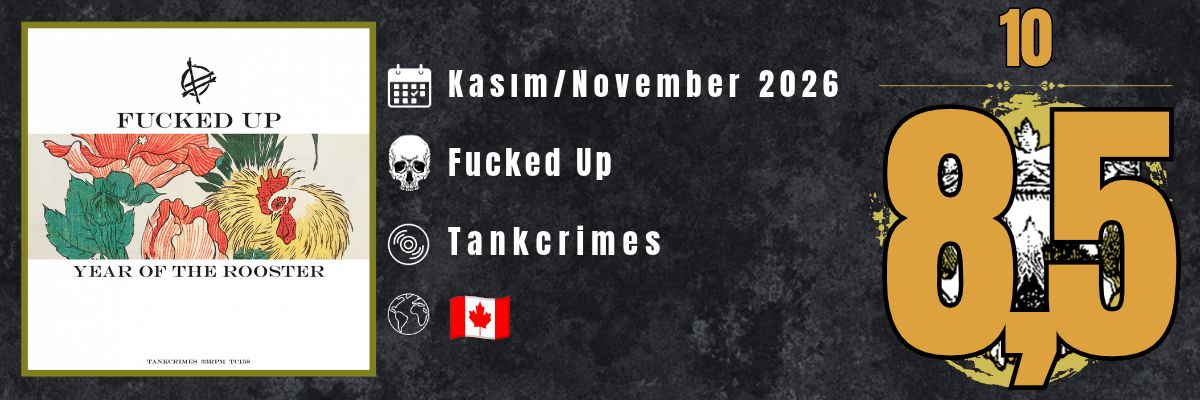
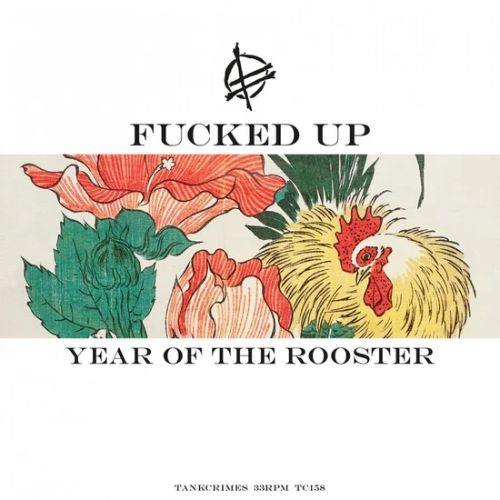
FUCKED UP’s two-decade-spanning Zodiac Cycle reaches its final chapter with "Year Of The Rooster". Released on November 13 via Tankcrimes, the album also serves as the third instalment in the "Grass Can Move Stones" trilogy. This long-running creative project has become a body of work that demonstrates just how far the Toronto-based band has expanded its musical identity, originally rooted in hardcore punk. Continuing the story of "Year Of The Monkey", the new album brings the tale of Monkey and Good Goat to its conclusion, exploring themes of time, existence and cosmic struggle. Divided into four tracks and running for more than 100 minutes, this double album unfolds through interconnected extended compositions rather than conventional songwriting structures.
The narrative opens with 'Clear Is The Mirror', which begins on familiar hardcore punk territory. Damian Abraham’s unmistakable vocals combine with driving guitar riffs and energetic drum work, while Tuka Mohammed’s melodic delivery steers the music towards a brighter direction. Yet this contrast goes beyond the interplay between two distinct vocal approaches. Piano passages, contrasting guitar melodies and vocal harmonies continually reshape the musical language as the composition unfolds. The sections featuring Charlie Manning Walker as General Rooster retain hardcore’s raw intensity while bringing the composition’s theatrical qualities further to the fore. In particular, the transitions from melodic, restrained passages back into heavier riff-driven sections bring what could otherwise feel like a collection of separate musical episodes into a larger, cohesive whole.
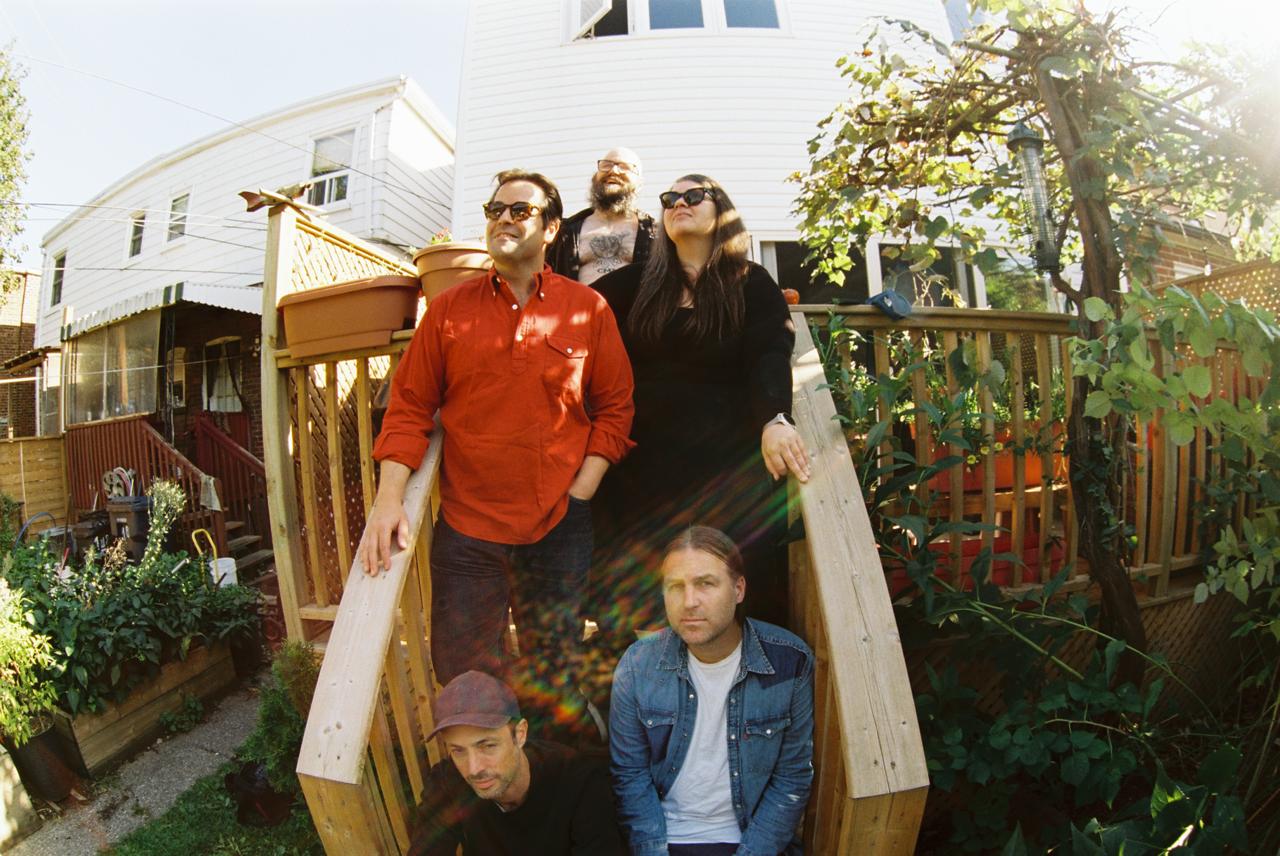
What makes 'Clear Is The Mirror' particularly compelling is that these transitions never descend into aimless genre-hopping. The relationship between hardcore punk, progressive rock and melodic arrangements develops alongside the changing fortunes of the characters in the story. Passages built around piano and calmer guitar work take on a different meaning when Damian Abraham’s forceful vocals return. FUCKED UP alter their dynamics not merely through shifts in tempo or volume, but by changing the very character of the musical narrative.
'Havoc In Heaven' moves into the darker side of this expansive compositional approach. Cyclical guitar riffs, reverse-treated guitar sounds and the menacing vocals of First Snake establish an unsettling atmosphere from the outset. The tension generated by the recurring riffs gives way to a temporary calm as piano and more subdued guitars enter the picture. The melodic vocals introduced here create a distinct contrast with the track’s heavier passages. Later, John Brannon’s appearance as Jade Monkey shatters that tranquillity once again. Hard-hitting hardcore riffs, thrash metal-paced drumming and Brannon’s guttural delivery bring the composition’s anger and tension back to the forefront. The subsequent return to atmospheric passages built around reverberant guitars and gentle melodies once again demonstrates that the album does not treat heaviness and melody as mutually exclusive elements.
'Grass Can Move Stones' offers one of the album’s broadest musical palettes. Opening trumpets and a lively rhythm section establish a different direction from the darker atmosphere of the preceding tracks. The section featuring Young Prince Grin and Perceval, portrayed by Graeme MacKinnon and Mac Kennedy respectively, takes shape around more dynamic guitar and drum arrangements. A subsequent passage brings piano and subdued guitars to the foreground, adopting a gentler character through the shared vocals of Keith Morris and Debsey Wykes. Beyond being one of the album’s most unexpected pairings, their performances demonstrate FUCKED UP’s ability to make vocal diversity an organic part of their songwriting. The operatic choral passages contributed by Amy Gottung and Jonah Falco further expand the composition’s scope.
As the track progresses, punk, progressive rock and metal elements converge in a more dynamic framework. The sections featuring Mr. Time and Mr. Eye, portrayed by Thurston Moore and Chris Hansell, respectively, bring the guitars back to a heavier intensity, while the contrasting vocal layers reinforce the composition’s theatrical character. Here, the melodic guitar harmonies of Thin Lizzy and the multilayered vocal arrangements associated with Queen and ELO meet the directness of hardcore punk within the same musical framework. These references are not simply there to evoke musical traditions of the past; they are repositioned within new contexts alongside ideas drawn from FUCKED UP’s own discography. The reworking of compositional elements reminiscent of the "Hidden World" and "The Chemistry Of Common Life" eras, in particular, gives the Zodiac Cycle’s relationship with the band’s history a greater sense of purpose.
The album’s closing chapter, 'Calming Winds And Waves', considerably deepens the emotional weight of the narrative. Mournful piano melodies, choral arrangements and Julian Richings’ role as the narrator, God In Hiding, initially establish an almost ceremonial atmosphere. This restrained framework occasionally expands into cosmic and progressive rock territory before the return of heavier guitars brings back the restless energy of hardcore punk. John Brannon’s vocals and the darker guitar tones introduce an intensity that also hints at black metal in the later sections. Following these shifts, Carson McHone’s melodic performance as Ox brings the composition’s emotional dimension back into focus. The finale, shaped by choral vocals, reverberant guitars and synth textures, brings the narrative that has unfolded throughout the album to a calmer, more accepting conclusion.
All this musical diversity is both the most impressive and the most debatable aspect of "Year Of The Rooster". Moving between hardcore punk, thrash metal, sludge, progressive rock, indie pop and operatic arrangements across four extended compositions demands considerable compositional and arranging skill. FUCKED UP bring these disparate elements together with a surprising degree of naturalness. Guitar harmonies, layered vocals and piano-led quieter passages create new expressive possibilities without erasing the band’s heavier musical roots. The ability to find new directions within these extended sections, particularly when moving beyond conventional hardcore song structures, is a significant achievement.
Nevertheless, the album’s sheer scope occasionally threatens to overshadow its narrative power. The sheer number of characters, constantly shifting vocal roles and densely woven storyline can make for an exhausting experience, particularly for listeners attempting to follow the lyrics. Although most of the musical transitions serve a clear purpose, not every section leaves an equally strong impression. Some of the quieter, more atmospheric passages feel longer than necessary following the impact of the heavier sections that precede them. Such imbalances inevitably affect a work approaching the two-hour mark. Appreciating the album’s ambitious narrative and musical richness does not, therefore, require accepting that every creative decision is equally successful.
Even so, the approach FUCKED UP take here stands well outside the conventional boundaries of contemporary hardcore punk. Their ability to explore the compositional possibilities of different genres without abandoning the raw and melodic hardcore identity that defined their beginnings makes it insufficient to view this project merely as an ambitious concept album series. "Year Of The Rooster" draws on the band’s earlier work without reducing those references to nostalgic repetition; instead, it reworks older ideas within different musical contexts, entering into a dialogue with its own discography. This conclusion to the Zodiac Cycle’s twenty-year story is not an album every listener will find easy to engage with. For those open to extended compositions, genre-crossing arrangements and songwriting that pushes beyond established hardcore punk conventions, however, it is an important point of reference for understanding the artistic scope of FUCKED UP. While such an expansive narrative does not maintain the same degree of control at every turn, "Year Of The Rooster" stands as a bold and noteworthy finale, demonstrating that the band’s desire to push its boundaries is far more than an ambitious statement.

https://www.instagram.com/fuckedup
https://www.facebook.com/FUglassboys
https://fuckedup.bandcamp.com/
https://tankcrimes.merchtable.com