ALBUM REVIEW
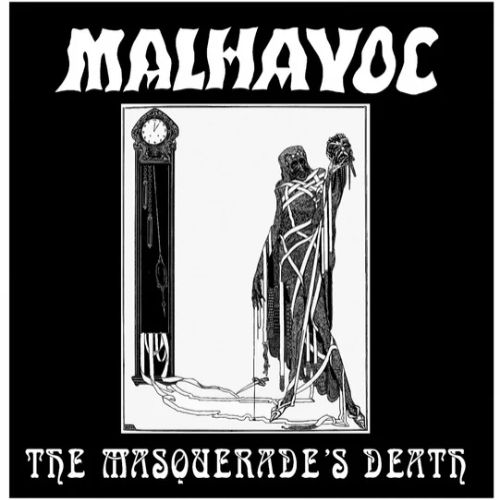
MALHAVOC – The Masquerade’s Death
Theatrical thrash meets dark industrial electronics.
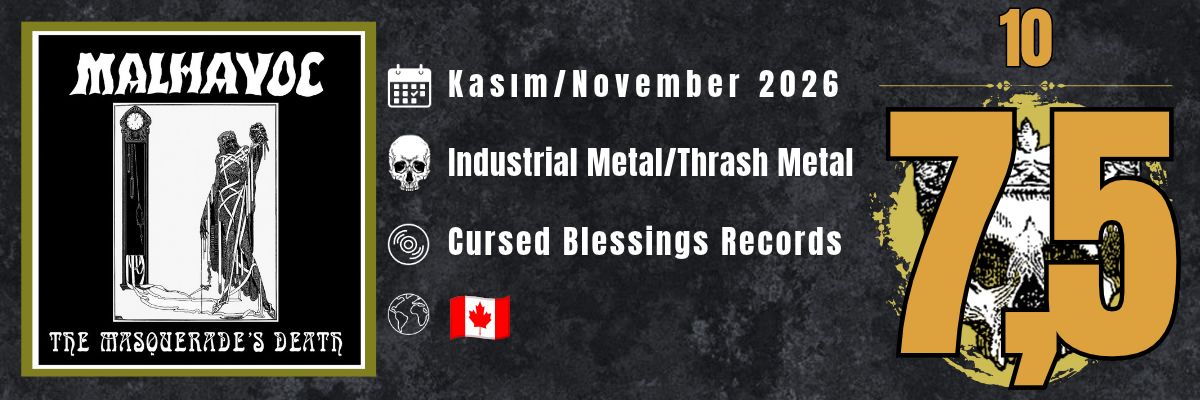
Toronto-based MALHAVOC carved out a distinctive place for itself in the metal scene as one of the pioneers of bringing industrial music and metal together, having embarked on its musical journey in 1985 with a thrash metal foundation. The band’s discography spans several distinct phases, from thrash metal to industrial metal and, eventually, electronic influences. Arriving after a lengthy hiatus, "The Masquerade’s Death" is a conceptual work built around six tracks and a running time approaching 70 minutes, pushing the boundaries of the conventional album format and drawing inspiration from Edgar Allan Poe’s short story "The Masque of the Red Death".
The plague, death and the helplessness of privileged classes in the face of an inevitable end in Poe’s story provide the album’s narrative foundation. This is more than a literary reference chosen simply to create a gothic horror atmosphere; it also connects with recent collective experiences such as loss, exhaustion and anxiety about the future. With five tracks running longer than ten minutes, the narrative unfolds through extended compositions rather than short, direct song structures. The obvious risk of this approach is that musical freedom may be constrained in the pursuit of conceptual unity. MALHAVOC, however, seeks to sustain these extended durations with shifting textures, combining thrash metal’s rapid-fire riffs with industrial and electronic passages.
The fast, razor-sharp riffs rooted in thrash metal remain the driving force behind the guitars. The compositions, however, are not built solely around traditional thrash metal dynamics. Industrial sound layers, electronic touches and atmospheric passages reminiscent of horror cinema take the aggression generated by the guitars into a different expressive territory. The use of electronic elements, in particular, demonstrates that the aesthetic sensibility which once drew comparisons between the band and acts such as Skinny Puppy and Ministry remains an important part of MALHAVOC’s musical identity. An operatic sense of drama further expands the theatrical dimension of this approach. The result is a meeting of thrash metal’s physical energy and industrial music’s mechanical, dark character within the same compositions.
The album’s six-track structure allows each composition to serve a particular purpose within its conceptual narrative. Following tracks such as ‘The Masque Of The Red Death’ and ‘Respectfully Decline’, ‘The Fact’, ‘The Harrow’, ‘Through The Cruel Light’ and ‘Distant Noize’ collectively form an extended musical statement. With five tracks exceeding the ten-minute mark, MALHAVOC reveals its ambition to move beyond short-form thrash metal songwriting and construct a narrative on a much broader scale. While these extended durations give musical ideas room to develop, they also become one of the defining choices shaping the album’s pacing and dramatic progression.
‘Respectfully Decline’ was chosen as the album’s first promotional single. According to Jimi LaMort, the decision was influenced by the fact that it is the shortest composition on the record and represents MALHAVOC’s direct, confrontational approach to songwriting. The choice offers a more accessible entry point into the album’s lengthy, conceptual structure. LaMort’s description of the track as a song that continues the band’s familiar provocative attitude also suggests that MALHAVOC’s theatrical and aggressive character has not been lost beneath the weight of the concept.
One of the album’s most historically significant elements, meanwhile, lies in the story behind its title track. ‘The Masquerade’s Death’ brings Jimi LaMort, Dave C. and John C. back together to re-record the last song the three wrote as a unit in 1985. This reunion gives the record a direct connection to the band’s formative years, making it more than simply a new MALHAVOC album arriving after a lengthy absence. Guest contributions from Connor Lex Grant, Ian Mumble and founding member Nigel Williams further broaden the lineup, bringing together musicians from different periods of the band’s history. The multi-instrumental contributions of current members Steve Jelliman, Lee “Sik Dogg” McCormack and LaMort also play an important role in the album’s musical construction.
With Jimi LaMort overseeing the entire process of design, recording and mixing, the album’s various musical elements are brought together under a single creative vision. This is particularly significant for a work situated at the intersection of thrash metal, electronic music and horror cinema aesthetics. Given MALHAVOC’s history of exploring different genres, "The Masquerade’s Death" does not reduce the band’s identity to any single period; instead, it brings elements from different stages of its evolution together within a shared conceptual framework.
Rather than following the prevalent approach in contemporary thrash metal, which tends to revolve around speed and technical intensity, "The Masquerade’s Death" brings MALHAVOC’s historical relationship with industrial music and its theatrical approach to storytelling back into focus. Its running time of approximately 70 minutes and extended compositions mean that it does not offer the kind of familiar MALHAVOC experience listeners seeking direct, short-form thrash metal dynamics might expect. For those willing to engage with the electronic textures of industrial metal, the riff-driven foundations of thrash metal and the dramatic elements of horror aesthetics as a unified whole, however, it establishes a meaningful connection between the band’s past and present. MALHAVOC’s central artistic choice here is to take the cross-genre fusion it helped pioneer and turn it into more than a nostalgic revisit, making it the vehicle for an expansive narrative shaped by contemporary social anxieties.

https://www.instagram.com/jimi_lamort
https://www.youtube.com/@malhavocband
https://cursedblessingsrecords.com
https://cursed-blessings-records.myshopify.com
https://cursedblessingsrecords.bandcamp.com