
ALBUM REVIEW
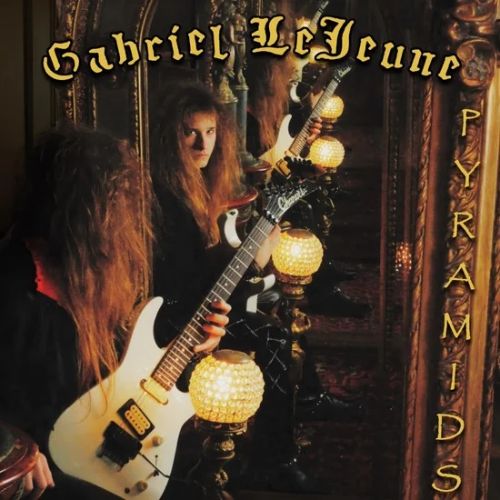
Gabriel LeJeune - Pyramids
Neoclassical guitar meets thrash-driven momentum.
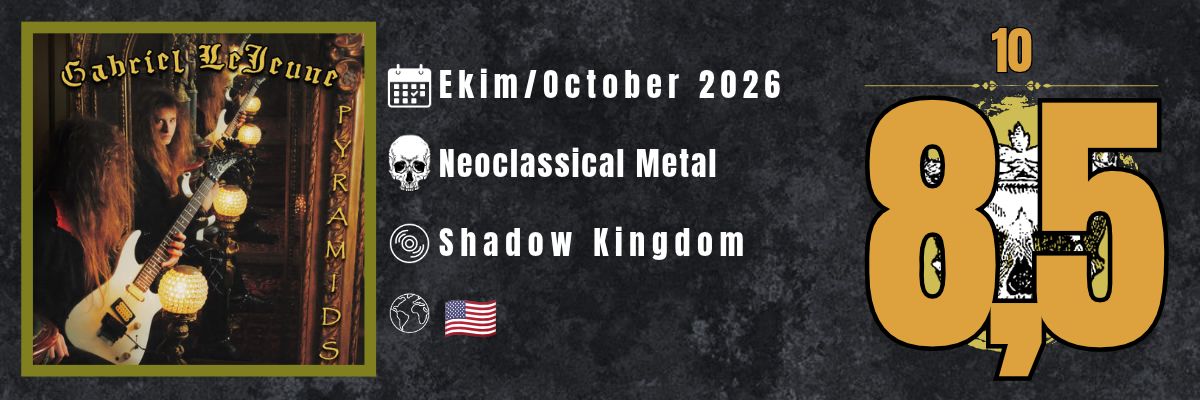
The fact that neoclassical metal is now largely associated with a handful of names like Yngwie Malmsteen doesn't mean the genre is closed to new guitarists. Gabriel LeJeune, guitarist and songwriter for Louisiana thrash metal band VOID, is looking to add his own take to the tradition with his debut solo album, "Pyramids". Evoking the shred aesthetic of the Shrapnel Records era, the album is more than just an exercise in guitar technique. LeJeune brings melodic expression, technical flash and the aggression of thrash metal together on common ground.
Clocking in at around 34 minutes, "Pyramids" is a relatively concise eight-track instrumental release. LeJeune's guitar naturally takes centre stage, but it would be unfair to dismiss the compositions as little more than exercises built around extended solos. The melodic ideas embedded in the riffs themselves, along with their rhythmic movement, prevent the lead work from becoming detached from the rest of the music. The opening track, 'Terrifying Triangles', is a particularly successful example of this approach. Drummer Aaron Landry, LeJeune's bandmate in VOID, complements the track's technical intensity without overshadowing the guitar. Frequent tom hits and dynamic fills give the composition the momentum it needs. This rhythmic approach, rooted in thrash metal, also provides a different kind of movement to the sometimes overly sterile character of neoclassical metal.
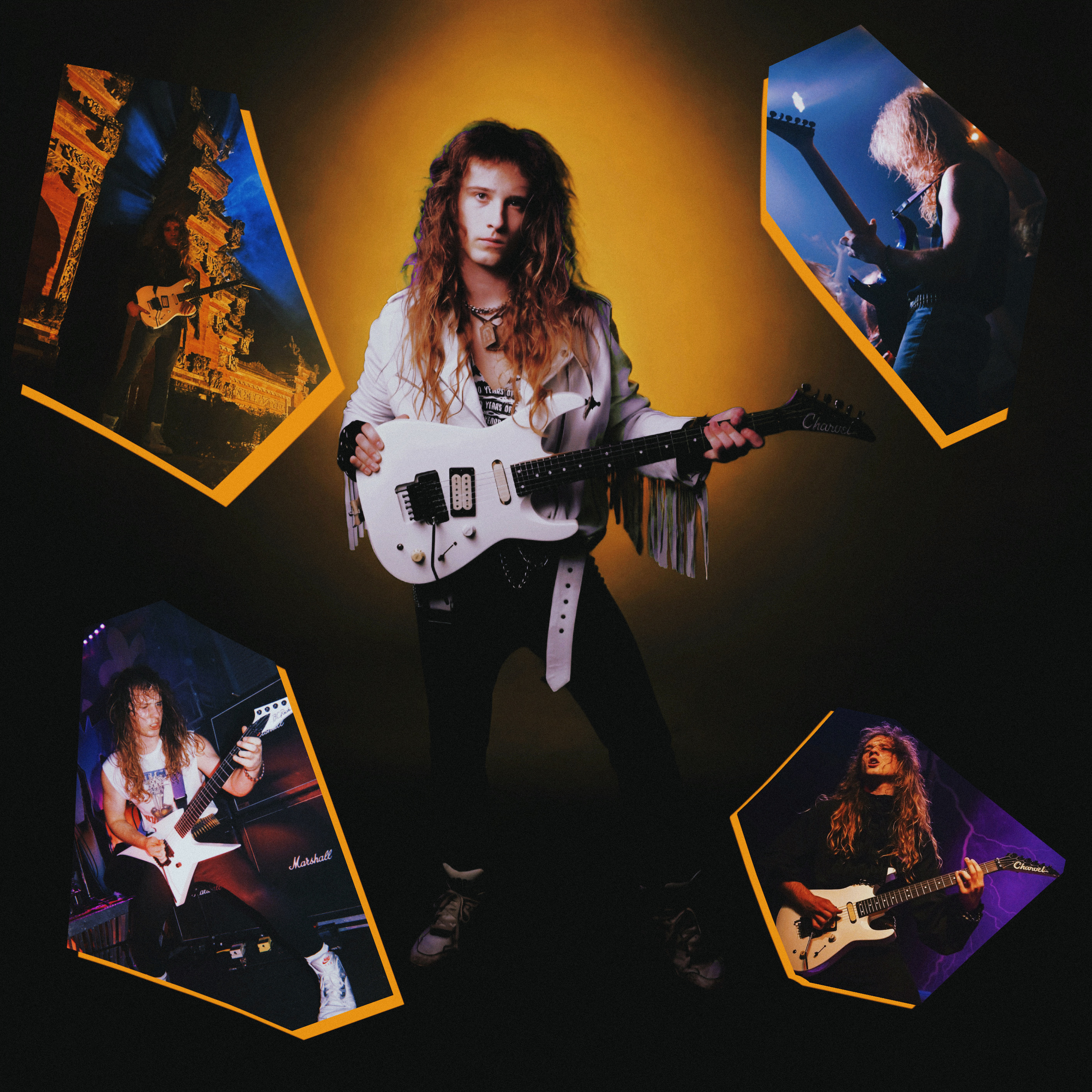
One of the defining aspects of LeJeune's musical identity is his refusal to let melody take a back seat to technical ability. 'Infinite Horizons' and 'Words Can't Say' are among the album's more expansive melodic compositions. In both tracks, the guitar solos go beyond speed and complexity, leaving room for melodic themes to develop. Their cinematic melodies give the songs distinct identities without ever making the absence of vocals feel like a limitation of the instrumental format. 'How Can This Be', meanwhile, combines headbanging-friendly rhythmic passages with progressive transitions and extended solos, bringing several of the album's different facets together within a single composition.
That said, more notes and increasingly complex arrangements do not necessarily make for more compelling music. With its passages of simultaneous, frenetic guitar and drum work, 'Flying Trapeze' constantly demands the listener's attention. While this approach gives the track a distinct technical character, its melodic ideas occasionally get lost in the intensity. 'Bad Fracture' takes a more direct, riff-driven and aggressive approach. Although its structure is simpler than that of the other tracks, it also proves less memorable from a melodic standpoint. LeJeune's fusion of his thrash metal background with neoclassical influences makes for an interesting combination, but the two sides do not come together with equal success on every track.
'Déjà Rêvé' is one of the album's strongest demonstrations of its ability to bring different musical references together. Guitar melodies rooted in classical music meet an expansive instrumental approach reminiscent of METALLICA's 'The Call of Ktulu'. Here, neoclassical guitar work never becomes a showcase built solely around solos; the melodic structure continues to evolve throughout the composition, keeping the listener engaged. The closing track, 'Reminiscences', takes a different route, built entirely around acoustic guitar rather than electric leads, revealing another side of LeJeune's expressive range. Following the album's technically demanding material, it provides a simpler, more emotional conclusion.
The production is another element that supports the musical identity of "Pyramids". The mix keeps the instruments clearly separated, allowing the finer details of the guitar work and Landry's drumming to come through without difficulty. At the same time, the recording avoids the excessively bright, polished production aesthetic common today. The electronic touches heard at certain points also contribute to its old-school character. There is a consistent relationship between the traditional approach of the album's visual identity and the musical references reaching back to neoclassical metal's golden era.
"Pyramids" is more than just another guitarist's album attempting to recreate the past glories of neoclassical metal. The influence of Yngwie Malmsteen and the Shrapnel Records era is unmistakable, but LeJeune's riff-writing style, carried over from his thrash metal background, brings a different kind of aggression to this traditional format. Certainly, technical intensity occasionally takes precedence over melodic cohesion, and not every idea proves equally compelling. Even so, the album's greatest asset is its approach to guitar virtuosity as something that must serve the songwriting rather than exist independently of it. Gabriel LeJeune has yet to fully establish a musical identity of his own, but "Pyramids" is a promising beginning that reminds us neoclassical metal need not remain the exclusive territory of its legendary pioneers, while raising expectations for whatever comes next.

shadowkingdomrecords.com
facebook.com/shadowkingdomrecords
shadowkingdomrecords.bandcamp.com