ALBUM REVIEW
GÅTE - Sigil
Folk, metal and electronics blend successfully
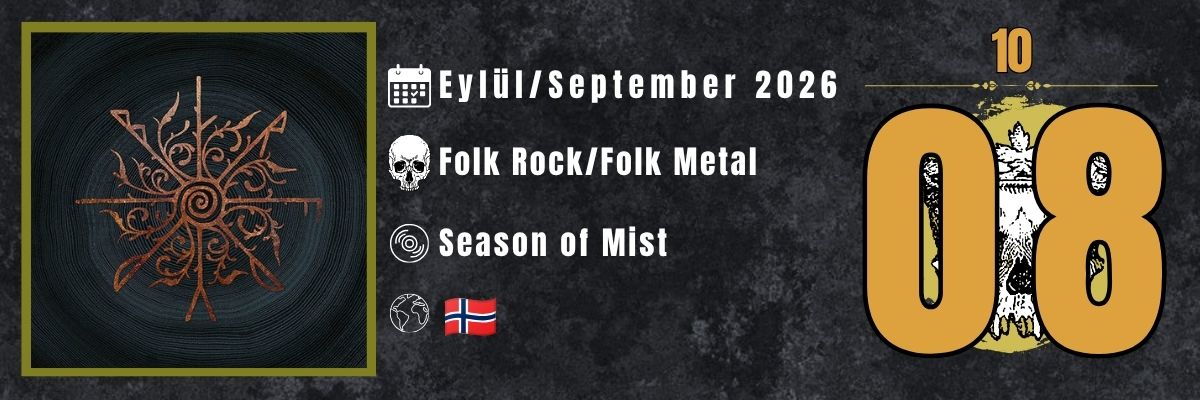
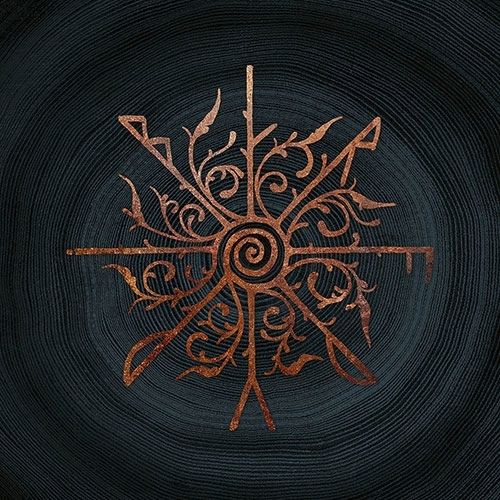
GÅTE has spent more than two decades bringing Norway’s traditional music into dialogue with contemporary sounds. "Sigil" expands that relationship with heavier guitars, electronic rhythms, and arrangements that carry a ritualistic character. Although the band’s international visibility increased after representing Norway at Eurovision in 2024 with "Ulveham", the album’s real strength lies in its ability to keep the different layers of its musical language within the same framework rather than turning that newfound recognition into a more readily digestible folk-metal formula.
GÅTE’s folk roots are not used here merely as decoration. The melodic textures of traditional instruments such as the Hardanger fiddle, nyckelharpa, and hurdy-gurdy come directly into contact with electronic programming and a modern rock foundation. "Strandvaskar" is a clear example, placing traditional sounds alongside electronic drum rhythms. "Oskorsreia", meanwhile, takes a harder turn on the guitar side, combining alternative-metal riffs with melodic black-metal tremolo picking. What matters about these transitions is that they do not simply line up different genres one after another; instead, they complement one another within the same compositions.
The album’s metal side is not a channel that remains open throughout. "Bergteken" moves from a soft vocal and atmospheric opening into a section where heavier guitars and drums come into play, while "Aude" creates a more direct sense of weight. By contrast, tracks such as "Bòd frå djupet" and "Songen" pull back the tempo and instrumental density, leaving plenty of space for Gunnhild Sundli’s vocals. This variation is one of the key elements defining "Sigil". The album does not constantly push itself toward greater heaviness; instead, the impact of its heavier passages draws strength from the calmer, more folk-oriented sections surrounding them.
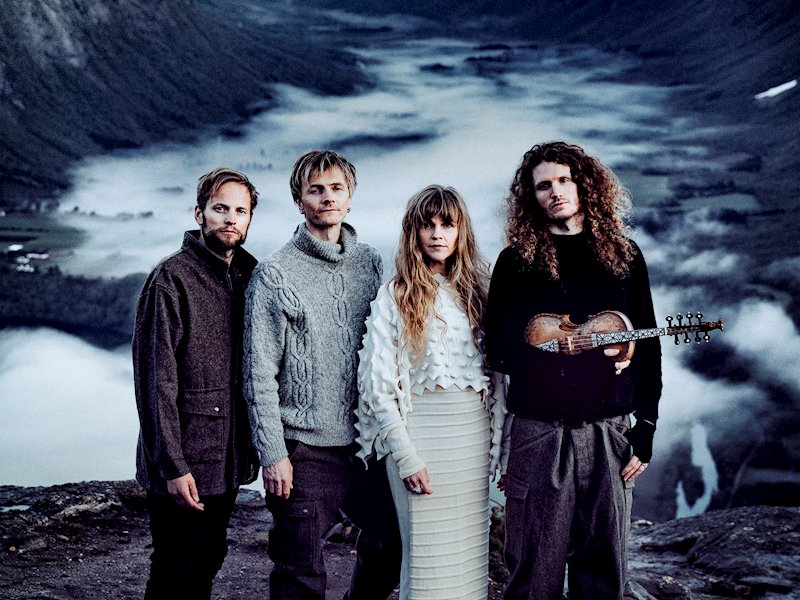
Sundli’s voice also sits at the centre of this structure. Clear, bright, and occasionally taking on a ritualistic character, it can function almost like a melodic instrument even when the Norwegian lyrics are not understood. The memorable vocal lines in "Mi Jord" and the more playful melodic approach of "Songen" in particular show that she represents more than a traditional folk vocal style. At times, the vocal melodies are so pronounced that they rise above the electronic or rhythmic arrangements, turning GÅTE’s music into something organised around the voice rather than simply a sum of its instruments.
The way "Sigil" uses traditional material is another important factor separating it from the growing number of Nordic folk projects around today. The album features drums, strings, and older instruments that evoke pagan or ritualistic associations, but they never feel like atmospheric effects added on top of the music. "Sannsiger" represents the more ritualistic side of this approach, with Maria Franz’s guest vocals making that character even more pronounced. By contrast, the use of electronic and atmospheric space in "Mi Jord", or the percussion-driven structure of "Nokon", takes the same aesthetic framework in different directions.
Still, this diversity does not work equally well on every track. Spanning ten songs and roughly 37 minutes, the album can create the impression, particularly in its middle section, that some tracks do not distinguish themselves sharply enough from one another. "Nokon" is a more obvious example; while its speech-heavy structure and background instrumentation offer an interesting idea, the composition needs more room to develop. The album’s overall memorability also remains somewhat scattered compared with its strongest tracks. While songs such as "Oskorsreia", "Mi Jord", and "Bergteken" leave a distinct impression, it is difficult to say that every song develops an equally strong melodic identity.
Production plays an important role in holding these different elements together. Electronic programming, acoustic strings, bass, drums, and distorted guitars are able to occupy the same space without completely obscuring one another. As a result, "Sigil" works neither as an entirely traditional folk record nor as a standard metal album built around folk motifs. Instead, it creates a broader space between the rock direction of GÅTE’s earlier years and the folk emphasis of the "Nord" era, while bringing electronic music and metal further into the equation.
The album’s closing track, "Jostedalsrypa", retreats into a remarkably calm and intimate space after all this movement. Built with contributions from elements such as piano and cello, the finale stands in clear contrast to the rhythmic and instrumental density of the preceding tracks. This choice turns the album’s ending into a retreat rather than a grand finale. Within the narrative and musical world of "Sigil", that means not increasing the noise, but leaving the final word to silence.
What GÅTE accomplishes here is valuable less because it invents a new genre somewhere between folk and metal than because it makes the transitions between those two worlds feel natural. The presence of tremolo-picked guitars alongside nyckelharpa and vocal melodies in "Oskorsreia", or the way electronic rhythms sit beside traditional instruments in "Strandvaskar", are concrete choices that define the album’s identity. Yet "Sigil" succeeds not because all of these ideas are equally striking at all times, but because GÅTE expands the folk-rock language it has developed over the years through contemporary production without surrendering to an easy Nordic-folk formula.
For that reason, "Sigil" does not offer metal listeners an entirely metal album, nor does it simply take folk listeners back to the musical forms of the past. What emerges is a GÅTE record that maintains a distance between the two worlds while touching on electronic music in places, and black metal and alternative metal in others. Although some tracks clearly need a stronger compositional backbone, the album’s real achievement lies here: it treats tradition not as a heritage preserved in a museum, but as living material that can be rebuilt through new musical forms.

Official Website: https://www.gåte.com/
Bandcamp: https://gaate.bandcamp.com/
Facebook: https://www.facebook.com/Gaateband/
Instagram: https://www.instagram.com/gaate_official/
TikTok: https://www.tiktok.com/@gaateband
YouTube: https://www.youtube.com/c/G%C3%A5temusic
Spotify: https://open.spotify.com/artist/3YxkGgMvqCQA75aFpy6524
Apple Music: https://music.apple.com/artist/g%C3%A5te/73355577