
Album Review
GOLD SPIRE - Steps into Shadow

Emerging from Sweden, GOLD SPIRE is one of those bands attempting not merely to continue the creative vacuum left behind after USURPRESS, but to establish an entirely different structural language. In that sense, Steps into Shadow leaves the impression of an album that deliberately distances itself from technical exhibitionism, constructing the complexity of progressive death metal not through sheer riff density, but through atmosphere management, economy of transitions, and the way instrumental layers create space for one another. Death metal weight still remains at the core of the album, yet that weight is never maintained in a constant state of eruption. Instead, the band establishes a more controlled sense of pressure through doom-leaning riff progressions that leave tension unresolved for extended periods.
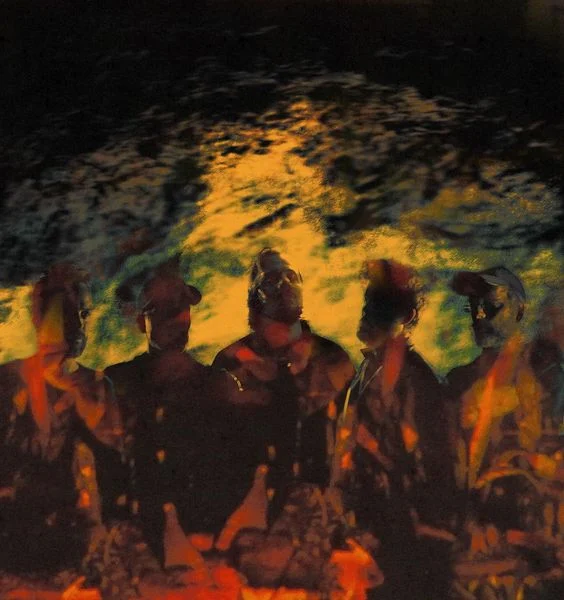
Påhl Sundström’s guitar approach consciously moves away from the conventional reflexes of progressive death metal. The riffs operate less through technical intricacy and more through tonal friction and rhythmic displacement. Particularly in the mid-tempo sections, the use of chord movements that never fully resolve transforms the album’s darkness from something merely “heavy” into something far more unsettling. This approach creates a more organic, breathing structure in place of the sterile mathematical precision frequently found within modern progressive death metal. Although the songs constantly shift direction internally, these changes never descend into displays of virtuosity; most of the transitions are employed to reposition atmospheric density instead.
One of the album’s major turning points is Magnus Kjellstrand’s use of saxophone and flute. Yet the presence of these instruments does not automatically create an “avant-garde” identity. GOLD SPIRE’s success lies in embedding these textures directly into the composition itself rather than placing them outside the metal framework as ornamental additions. More often than not, the saxophone functions less like an independent solo instrument and more like a secondary atmospheric layer filling the spaces left open by the guitars. Particularly in the slower passages, the way the wind arrangements expand the harmonic tension of the riffs becomes the key factor separating the album from standard progressive death/doom hybrids. Even so, the band does not always push this idea to its fullest extent; in some passages, the wind layers remain more cosmetic than structurally transformative. That, in turn, positions the album’s experimental side not as a radical rupture, but as a controlled expansion of its existing identity.
On the rhythmic front, Erik Sundström’s drumming stands out especially because the defining element behind the album’s dramatic structure is not tempo variation so much as economy of emphasis. Blast beats are used here less as a dominant weapon of attack and more as short bursts designed to heighten tension. The album’s true weight instead emerges through tom-driven transitions, rhythmic fractures that leave wide pockets of space, and dragging doom-informed grooves. This approach also allows the bass guitar to remain more visible within the mix. Petter Broman’s bass tones do not merely provide low-end support; particularly during the more atmospheric passages, they thicken the guitar harmonies and help define the songs’ dramatic axis.
The addition of new vocalist Arvid Sjödin is another factor reinforcing the band’s shift in direction. While his performance does not entirely abandon the harshness associated with classic Swedish death metal, it carries a more restrained and narrative-driven character. Rather than sustaining a constant intensity of rage, the vocal phrasing often stretches the ends of lines and occasionally lags slightly behind the rhythm. This strengthens the album’s progressive side through dramatic flow rather than technical complexity. At times, Arvid’s vocal tone recalls former FUNERAL vocalist Einar Andre Fredriksen. The technique he employs in his brutal vocal delivery evokes the same sense of sorrow and mortality associated with Fredriksen’s style, further intensifying the album’s doom-laden atmosphere.
Lawrence Mackrory’s mix succeeds in achieving clarity without surrendering to the sterile sheen dominating modern extreme metal production. The album carries a dense sense of fullness particularly within the low and mid frequencies; even in sections where guitars, bass, and wind layers operate simultaneously, the mix never fully collapses into mud. At the same time, the controlled warmth of the production prevents the album’s progressive side from turning into a clinical technical showcase. That choice aligns directly with the band’s atmosphere-oriented approach.
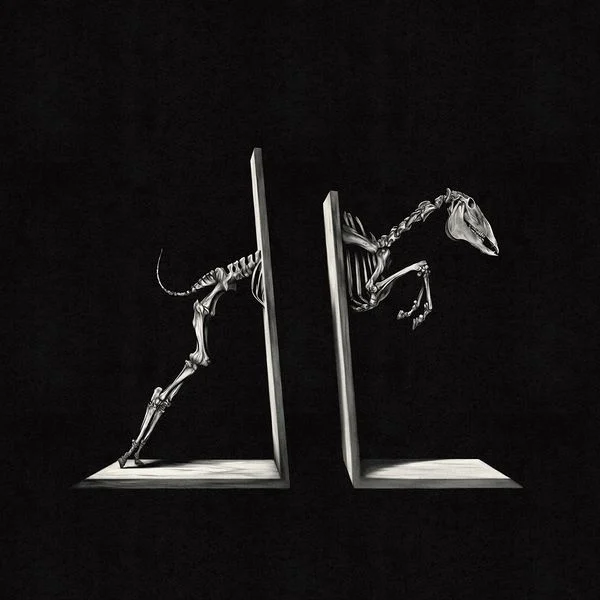
The cover artwork by Påhl Sundström also moves in parallel with the music’s overall direction. Rather than leaning into traditional death metal grotesquery, the visual aesthetic establishes a darker and more introspective atmosphere. This mirrors the album’s structural character, because Steps into Shadow attempts to draw the listener inward not through sudden shocks, but through a gradually intensifying sense of pressure. The visual identity does not function merely as a decorative element recycling genre clichés; instead, it serves as a complementary framework supporting the music’s controlled darkness.
Steps into Shadow is an album that keeps its distance from the “complexity equals depth” mentality so common within contemporary progressive death metal. Rather than constantly foregrounding technical capability, GOLD SPIRE builds a more patient compositional language rooted in atmosphere, tempo, and tonal tension. The album’s experimental elements may not always radically rewrite the genre’s boundaries, but the band largely succeeds in preventing those ideas from remaining at the level of superficial decoration. As a result, the album stands out within modern progressive death metal not as a revolutionary rupture, but as a darker, more controlled, and more dramatic reinterpretation of the existing form.
Emerging from Sweden, GOLD SPIRE is one of those bands attempting not merely to continue the creative vacuum left behind after USURPRESS, but to establish an entirely different structural language. In that sense, Steps into Shadow leaves the impression of an album that deliberately distances itself from technical exhibitionism, constructing the complexity of progressive death metal not through sheer riff density, but through atmosphere management, economy of transitions, and the way instrumental layers create space for one another. Death metal weight still remains at the core of the album, yet that weight is never maintained in a constant state of eruption. Instead, the band establishes a more controlled sense of pressure through doom-leaning riff progressions that leave tension unresolved for extended periods.
Påhl Sundström’s guitar approach consciously moves away from the conventional reflexes of progressive death metal. The riffs operate less through technical intricacy and more through tonal friction and rhythmic displacement. Particularly in the mid-tempo sections, the use of chord movements that never fully resolve transforms the album’s darkness from something merely “heavy” into something far more unsettling. This approach creates a more organic, breathing structure in place of the sterile mathematical precision frequently found within modern progressive death metal. Although the songs constantly shift direction internally, these changes never descend into displays of virtuosity; most of the transitions are employed to reposition atmospheric density instead.
One of the album’s major turning points is Magnus Kjellstrand’s use of saxophone and flute. Yet the presence of these instruments does not automatically create an “avant-garde” identity. GOLD SPIRE’s success lies in embedding these textures directly into the composition itself rather than placing them outside the metal framework as ornamental additions. More often than not, the saxophone functions less like an independent solo instrument and more like a secondary atmospheric layer filling the spaces left open by the guitars. Particularly in the slower passages, the way the wind arrangements expand the harmonic tension of the riffs becomes the key factor separating the album from standard progressive death/doom hybrids. Even so, the band does not always push this idea to its fullest extent; in some passages, the wind layers remain more cosmetic than structurally transformative. That, in turn, positions the album’s experimental side not as a radical rupture, but as a controlled expansion of its existing identity.
On the rhythmic front, Erik Sundström’s drumming stands out especially because the defining element behind the album’s dramatic structure is not tempo variation so much as economy of emphasis. Blast beats are used here less as a dominant weapon of attack and more as short bursts designed to heighten tension. The album’s true weight instead emerges through tom-driven transitions, rhythmic fractures that leave wide pockets of space, and dragging doom-informed grooves. This approach also allows the bass guitar to remain more visible within the mix. Petter Broman’s bass tones do not merely provide low-end support; particularly during the more atmospheric passages, they thicken the guitar harmonies and help define the songs’ dramatic axis.
The addition of new vocalist Arvid Sjödin is another factor reinforcing the band’s shift in direction. While his performance does not entirely abandon the harshness associated with classic Swedish death metal, it carries a more restrained and narrative-driven character. Rather than sustaining a constant intensity of rage, the vocal phrasing often stretches the ends of lines and occasionally lags slightly behind the rhythm. This strengthens the album’s progressive side through dramatic flow rather than technical complexity. At times, Arvid’s vocal tone recalls former FUNERAL vocalist Einar Andre Fredriksen. The technique he employs in his brutal vocal delivery evokes the same sense of sorrow and mortality associated with Fredriksen’s style, further intensifying the album’s doom-laden atmosphere.
Lawrence Mackrory’s mix succeeds in achieving clarity without surrendering to the sterile sheen dominating modern extreme metal production. The album carries a dense sense of fullness particularly within the low and mid frequencies; even in sections where guitars, bass, and wind layers operate simultaneously, the mix never fully collapses into mud. At the same time, the controlled warmth of the production prevents the album’s progressive side from turning into a clinical technical showcase. That choice aligns directly with the band’s atmosphere-oriented approach.
The cover artwork by Påhl Sundström also moves in parallel with the music’s overall direction. Rather than leaning into traditional death metal grotesquery, the visual aesthetic establishes a darker and more introspective atmosphere. This mirrors the album’s structural character, because Steps into Shadow attempts to draw the listener inward not through sudden shocks, but through a gradually intensifying sense of pressure. The visual identity does not function merely as a decorative element recycling genre clichés; instead, it serves as a complementary framework supporting the music’s controlled darkness.
Steps into Shadow is an album that keeps its distance from the “complexity equals depth” mentality so common within contemporary progressive death metal. Rather than constantly foregrounding technical capability, GOLD SPIRE builds a more patient compositional language rooted in atmosphere, tempo, and tonal tension. The album’s experimental elements may not always radically rewrite the genre’s boundaries, but the band largely succeeds in preventing those ideas from remaining at the level of superficial decoration. As a result, the album stands out within modern progressive death metal not as a revolutionary rupture, but as a darker, more controlled, and more dramatic reinterpretation of the existing form.
OZY
https://www.facebook.com/goldspire.ua
https://www.instagram.com/gold_spire_band
https://www.facebook.com/AwakeningRecordsCN/
https://www.instagram.com/awakeningrecordscn/
https://awakeningrecordscn.bandcamp.com/