Album Review
Iselder - The 38th Division
The Welsh black metal scene has, in recent years, developed a small yet striking vein that attempts to integrate historical and regional identity into the very logic of the music’s aggression rather than merely using it as lyrical decoration.
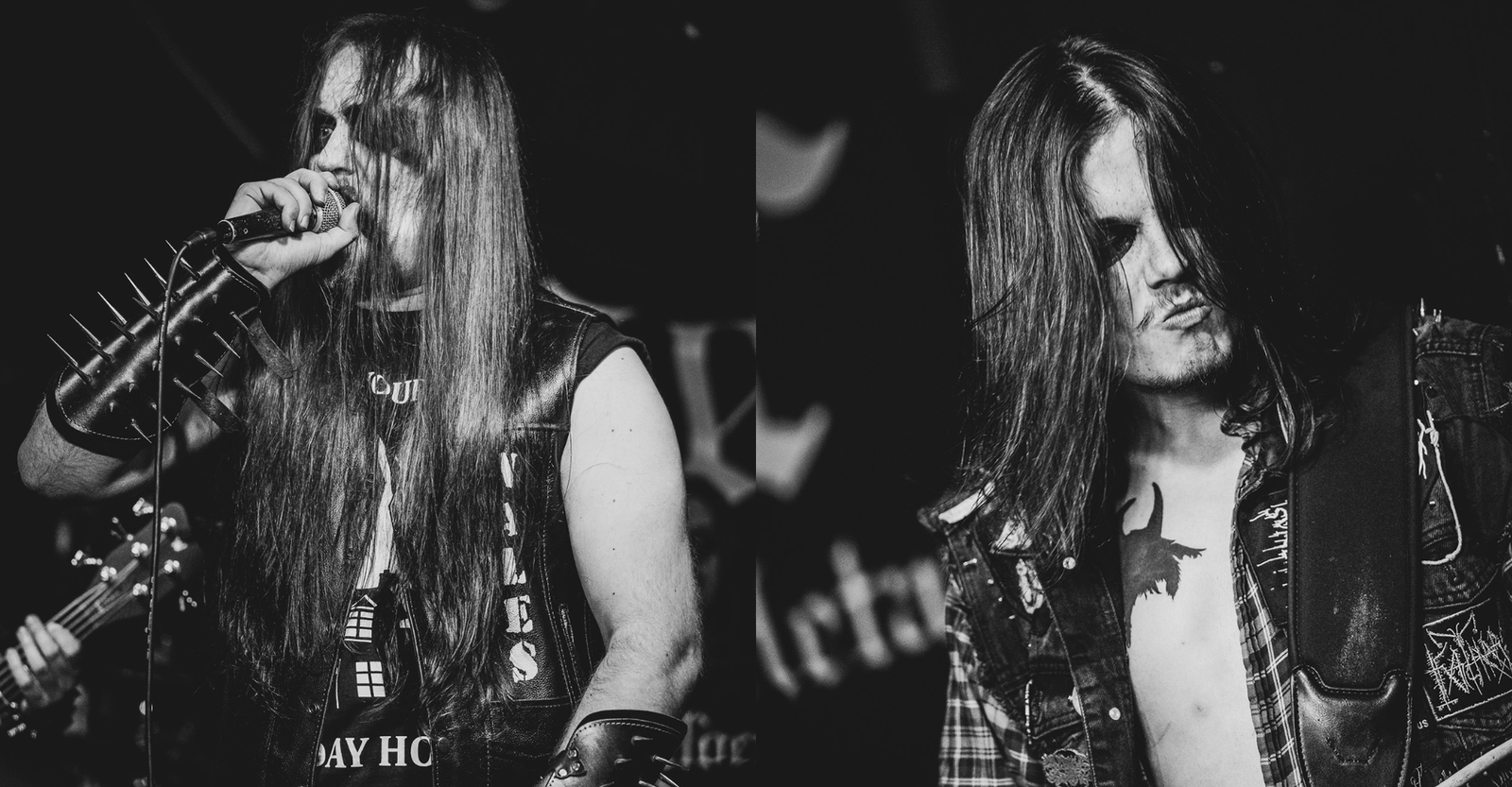
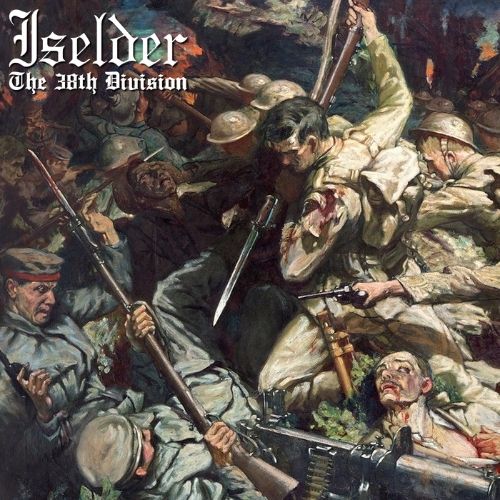
On its third album, The 38th Division, Iselder largely pushes aside black metal’s traditional occultism in favor of a narrative centered on the physical devastation of war, yet the album’s most compelling aspect is not the thematic choice itself, but how that theme is integrated into the musical language. Gofid and Neidr do not leave the idea of warfare confined to the lyrics; the riff writing, tempo organization, and production choices all actively attempt to create a frontline psychology. As a result, what dominates the album is not an atmospheric sense of “darkness,” but a suffocating pressure of perpetual forward motion.
Opening track “The Death Of Wales” establishes this within its very first minute. While the tremolo riffs retain the icy character inherited from classic Scandinavian black metal, the guitar tone leans more heavily into the lower frequencies, preventing the music from remaining merely “thin and droning.” Here, riffs are used not only to generate melodic tension, but also to create physical weight. It is important that the blast beats never devolve into a constant display of speed; the drums often function as the driving force behind the riffs, maintaining the tracks in a state of assault momentum. This structural discipline is precisely what makes the album’s war theme convincing. Whereas many thematic black metal records create a disconnect between concept and music, on The 38th Division the rhythmic organization becomes a direct extension of the narrative itself.
On tracks like “Bayonet” and “Call To Arms,” thrash metal influences become more visible, though these transitions never feel like nostalgic crossover worship. In particular, the palm-muted riffs interrupting black metal’s constantly flowing tremolo character give the album a more militaristic impact. At this point, Iselder could easily drift into the territory of the modern black/thrash revival scene, yet the band never fully commits to that direction because the production deliberately remains muddy and uncontrolled. The refusal to overly sterilize the guitars is a crucial decision. The album sounds clear, but it never surrenders to the clinical mix aesthetic so common in modern extreme metal. Consequently, the source of aggression becomes intensity itself rather than technical showmanship.
This is also where Neidr’s greatest strength emerges. The riffs are not excessively complex from a technical standpoint, yet the insistence of repetition amplifies the psychological pressure of the songs. The mechanical rhythmic feel of “Impending War” approaches an almost industrial discipline; the way drums and guitars lock themselves into the same attack pattern transforms the track into something built less on melodic progression and more on the sensation of relentless advance. This may narrow the album’s range of variation, but it simultaneously preserves the integrity of the concept. ISELDER consciously avoids creating breathing dynamics; the album intends to keep the listener trapped on the same frontline throughout.
Gofid’s vocal performance is similarly functional rather than technically “diverse.” Alongside traditional black metal shrieks, he employs more guttural, vomit-like intonations that verge on death metal territory, though the positioning of the vocals within the mix is particularly notable. The voice rarely rises above the instruments; instead, it feels buried within the guitars and snare itself. While this decision reduces lyrical intelligibility, it significantly strengthens the album’s physical impact. Had the dense traditional black metal vocal tone and the use of scram been pushed slightly further, the album’s power could have reached an even higher level.
In the album’s second half, the band brings tempo manipulation more prominently into focus. The heavy marching sensation at the beginning of “Glory” and its almost anthem-like repetitions toward the finale create small yet effective fractures within the album’s constant assault logic. What is interesting here is that, although the track briefly gestures toward an epic heavy metal aesthetic, it is never used to generate heroism. On the contrary, that marching atmosphere is quickly swallowed once again by filthy black/thrash aggression. Rather than romanticizing warfare, Iselder chooses to portray it as an exhausting mechanism of attrition.
“Trench Warfare” and especially “Embrace The End” are the moments where the album’s doom influences become more visible. The slow and crushing opening riffs draw directly from the legacy of early extreme metal; the primitive weight of Hellhammer and the earliest black/thrash lineage is strongly felt here. Yet these influences do not function as nostalgic recreation, but as tools that thicken the album’s broader war aesthetic. In particular, the way “Embrace The End” accelerates again after its Sabbathian opening demonstrates that ISELDER uses slowness not to create atmosphere, but to accumulate tension.
The album’s visual and conceptual identity also remains fully consistent with the direction of the music. The war-centered approach leaning toward historical destruction rather than black metal’s familiar corpsepaint mysticism may not make ISELDER entirely unique, but it does partially separate the band from the thematic repetition cycle dominating much of the contemporary black metal scene. The important point here is that the group never transforms its historical material into an academic narrative. The 38th Division functions less as “concept album storytelling” and more as a recording attempting to communicate the mass-grinding machinery of war through rhythmic intensity and physical pressure.
The album’s greatest risk is simultaneously its defining characteristic: its state of perpetual assault. ISELDER consciously avoids dramatic breathing spaces, melodic catharsis, or major structural climaxes designed to guide the listener. While this approach occasionally pushes the album toward the edge of monotony, it is also exactly where the band’s intended experience resides. The 38th Division operates not through distracting embellishments, post-black metal aesthetics, or atmospheric expansion, but through direct riff pressure, rhythmic propulsion, and filthy density. In doing so, it separates itself from the increasingly cinematic and layered tendencies of contemporary black metal and positions itself along a more primitive, more physical, and more confrontational axis.
OZY