ALBUM REVIEW
MISTIGO VARGGOTH DARKESTRA - Shattered Gates
Cosmic return where electronics meet black metal
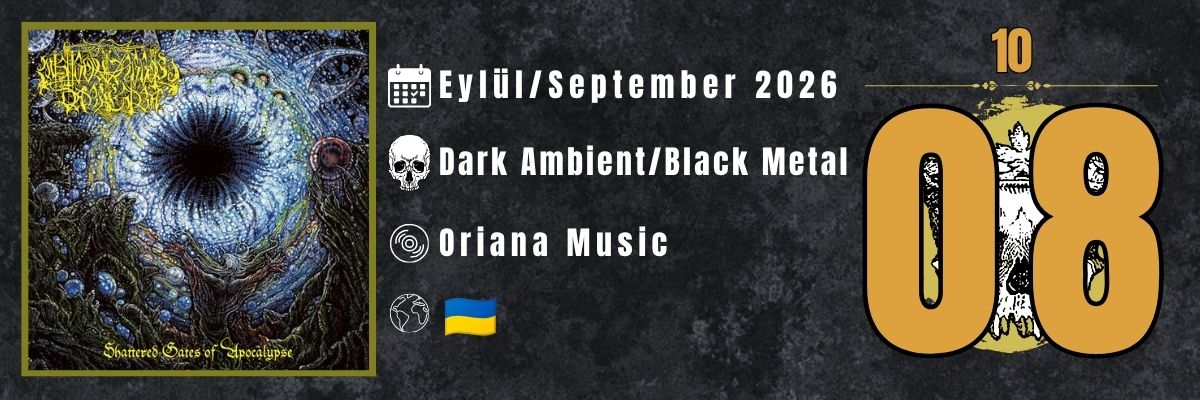
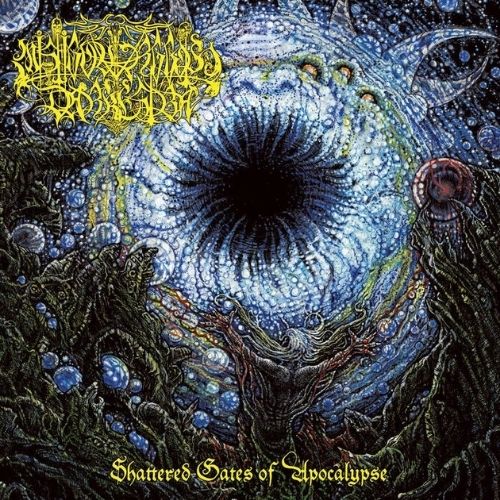
For MISTIGO VARGGOTH DARKESTRA, the concept of time is itself part of the music. The twenty-seven years that have passed since the project's previous two albums make "Shattered Gates of Apocalypse" more than simply a long-overdue comeback; it becomes a reconstruction of an old idea through the soundscape of the present. With Varggoth handling all instruments and vocals, the album retains the project's cosmic ambient, dungeon synth and electronic foundations while now placing them in a much more pronounced confrontation with black metal. The album is also positioned as the first chapter of a planned trilogy.
The crucial change here is that the electronic foundation is not used as a decorative layer accompanying the black metal elements. Across its ten tracks, the album moves between ambient-oriented passages and pieces in which black metal takes the upper hand, allowing the two approaches to continually reshape each other's territory. While synthetic sounds establish the rhythmic and atmospheric foundation, the tremolo guitars do more than simply add aggression to it; they give the music's alien and uncanny quality a more tangible form. As a result, "Shattered Gates of Apocalypse" is neither a black metal album in the conventional sense nor an ambient electronic record confined to a single trajectory.
Sound design is particularly decisive on the album's electronic side. "Shattered Gates of Apocalypse" and "Candles" create expansive ambient spaces steeped in a sense of emptiness, while "Blind Stargazer" builds a more physical, even unsettling atmosphere through its analog-flavored synth textures. Much of the dungeon synth emphasis of the earlier material has been left behind. In its place comes a more ritualistic, cosmic and occasionally industrial electronic approach. The modernization of the production is also an important part of this transformation. The sounds no longer come across as the aesthetic consequence of the limited means of an earlier era, but as components of a deliberate design shaping the album's atmosphere.
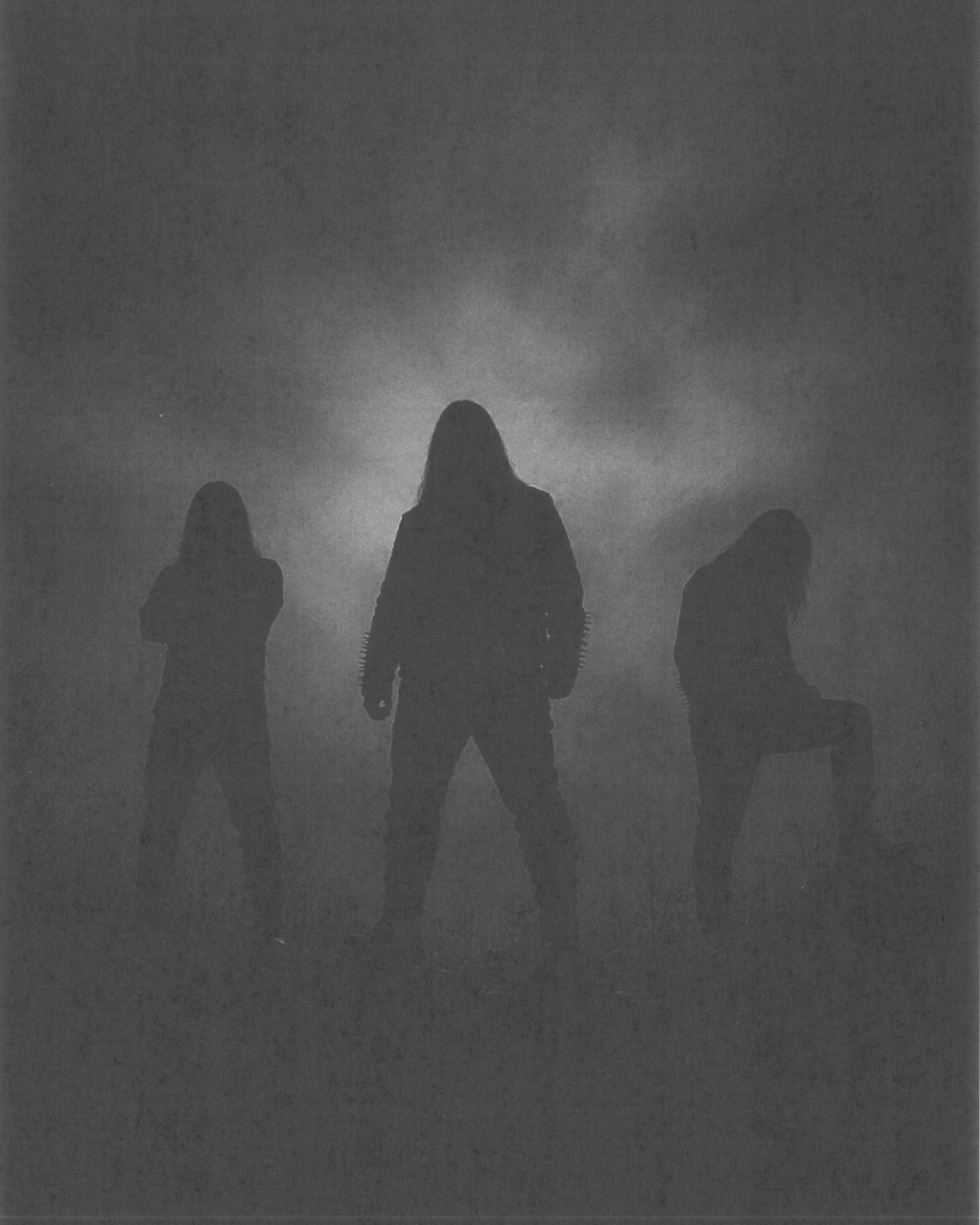
The album takes on a distinctly more interesting character when the black metal elements come into play. Rather than simply layering tremolo guitars over a mechanical electronic foundation, "Hybrid Life Syndrome" makes the two structures function as parts of the same rhythmic and atmospheric organism. In "Hollow Solitude", the tension between the guitars' cold aggression and the rigid structure of the electronic rhythms is even more pronounced. Vocals, meanwhile, are not constantly at the center of this intensity. Deep, ritualistic vocal passages and narrated sections reinforce the album's mysterious side, while black metal vocals come to the fore only on certain tracks. This restrained approach keeps the voice from becoming a spectacle in itself, instead preserving it as another component of the atmosphere.
The most successful aspect of this approach emerges when the boundaries between genres are blurred rather than simply placing them side by side. "Fanged Skies" is a good example, bringing distorted guitars together with calmer, trip-hop-adjacent electronic passages within the same track. Tracks such as "Universal Whiplash Doctrine" and "Into the Great Void" also serve the album's broader cosmic orientation. What emerges, then, is less a straightforward fusion of electronic music and black metal than a structure in which two different forms of expression are employed to create the same atmosphere.
That said, not every track reaches this level of synthesis. In the second half, "Distant Explosions of Hope" functions more as an interlude, while "No Peace Remains", despite containing strong ideas, comes to an end before developing them sufficiently. Its short runtime in particular prevents the track from turning its potential into a fully realized composition. The problem, therefore, is not a lack of ideas, but that some of those ideas are not developed with the same intensity found in the album's more successful passages. This also explains the sense of inconsistency that can be felt across the roughly fifty-minute record.
This is also where the difference between the past and present of "Shattered Gates of Apocalypse" becomes apparent. The fundamental idea behind MISTIGO VARGGOTH DARKESTRA's early raw electronic/ambient approach is still present, but the songwriting is far more controlled and the sonic world much more clearly defined. At the same time, the album does not bring every experimental idea to an equally convincing conclusion. At its strongest, the guitar language of black metal, the mechanical structure of electronic rhythms and the expansive ambient spaces complement one another; in its weaker passages, these elements simply coexist within the same track.
This is what makes "Shattered Gates of Apocalypse" valuable: not simply the fact that it has returned after twenty-seven years, but that it reconsiders the identity of the old project through a contemporary production approach. The album does not yet achieve the same compositional intensity across every track, but particularly in its intersections between black metal and electronic music, MISTIGO VARGGOTH DARKESTRA demonstrates that it has not merely returned to the past, but carried an idea from that past into a different musical scale. As the first chapter of a trilogy, what ultimately makes this record intriguing is less the sense of a finished statement than the question of how far these two worlds can be taken from here.
