

ALBUM REVIEW
TodoMal – Graveyards Of Joy
Cinematic Atmosphere Meets Doom Metal

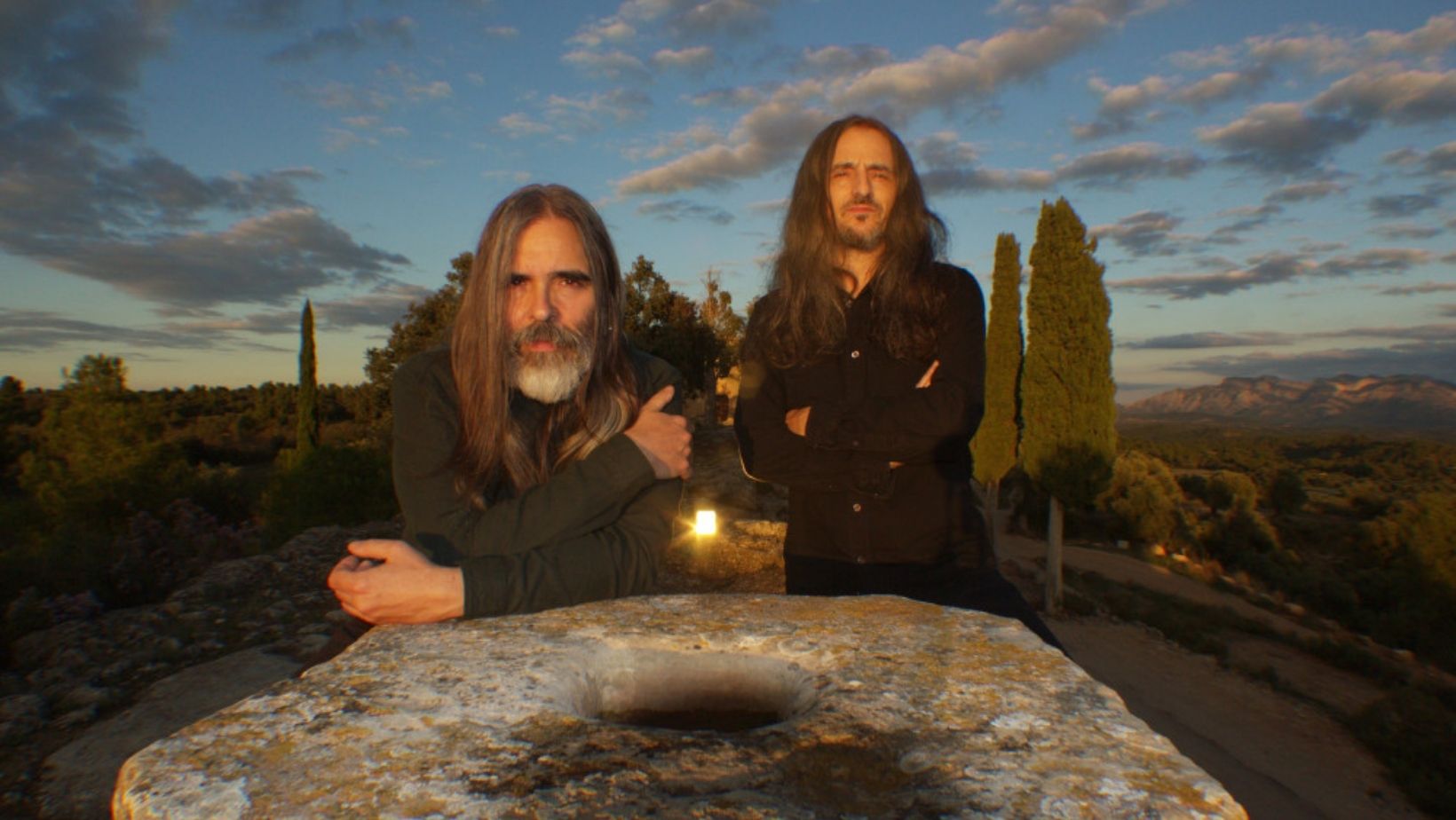
TodoMal are a Spanish atmospheric doom metal outfit formed in 2020 by Christopher B. Wildman and Javier Fernández Milla, with the aim of expanding the traditional doom metal framework through cinematic and progressive touches. Quickly earning recognition for their distinctive aesthetic, the band now completes the trilogy they began with Ultracrepidarian and A Greater Good on their third album, Graveyards Of Joy. Released through Season of Mist, the record presents itself as the most comprehensive and mature expression of the band's musical vision to date.
On Graveyards Of Joy, TodoMal embraces a compositional approach that refuses to define doom metal solely through the weight of its riffs. Thick guitar tones and slow-moving riffs naturally form the backbone of the album, but that framework is continually expanded by Hammond organ, cinematic string arrangements, acoustic guitars, and choral textures that occasionally evoke ecclesiastical music. These layers are not merely there to create atmosphere; they function as structural elements that shape the dynamic flow of each composition. The result is music that remains rooted in atmospheric doom while consciously blurring genre boundaries, drawing equally from hard rock, progressive rock, folk, and the aesthetics of Western cinema.
The choice of Lluís Rigalt's 1865 painting Ruïnes as the album cover serves as the visual counterpart to this approach. The crumbling stone arches slowly reclaimed by nature reinforce the album's recurring themes of abandonment, time, and renewal. The connection between the visual aesthetic and the musical language extends well beyond conceptual cohesion. The historical weight conveyed by the Hammond passages, the expansive perspective created by the string arrangements, and the compositions' deliberate use of space all translate the painting's sense of quiet decay directly into the music.
Opening track "Mare Ignis" establishes TodoMal's compositional philosophy from the very first minutes. The riffs never rush forward; layers are introduced gradually as Hammond textures fill the spaces beneath the guitars, while the drums carefully guide the song's dramatic ascent. Even as the melodic framework expands, the band builds intensity through patient accumulation rather than sudden climactic bursts. "Lucid Nightmare" follows by noticeably increasing the pace, becoming one of the album's most energetic moments. Sharper riffs and a more aggressive rhythmic foundation retain their heaviness without collapsing into one-dimensional aggression, thanks to melodic guitar interplay throughout.
At the heart of the album, "Point of Coalescence" stands out as the track that most successfully unites TodoMal's various musical strengths. Complex guitar harmonies and atmospheric passages complement rather than compete with one another, while the vocal performance naturally bridges forceful delivery and melancholic melodies. Providing a brief moment of respite, "Misericordiah" pulls back the distortion and, through its fragile interplay of strings and clean vocals, serves as a crucial transitional point within the album's dramatic arc.
As the second half unfolds, TodoMal increases the weight without relying solely on sheer sonic density. While "Unholy" is driven by a more direct riff-oriented approach, "Deliverance" delivers the album's most progressive arrangement across its nearly seven-minute runtime. Beginning with an acoustic introduction, the song continually shifts between crushing doom passages, melodic expansions, and broad harmonic landscapes. Here, the strings and Hammond do far more than provide cinematic colouring; they become essential tools in shaping the emotional impact of each transition. Likewise, "Humanised Gods" and the acoustic-driven "For Mercy" lower the album's intensity, creating the necessary contrast before the finale.
Vocally, Christopher B. Wildman deliberately avoids overt theatricality. His baritone clean vocals are supported by female harmonies and choral arrangements, yet the melodies never attempt to dominate the instrumentation. Instead, the vocals function as a natural layer within the compositions rather than their focal point. This restraint lends greater credibility to the sections dealing with grief and loss, conveying emotion without slipping into melodrama.
The production is one of the defining aspects of the album's identity. Although the mix delivers modern clarity, it avoids giving the guitars an overly polished sheen. The midrange remains full-bodied, while the Hammond, strings, and synth layers are given room to breathe across a spacious stereo field. At the same time, this dense sonic design occasionally makes the repetitive aspects of the songwriting more noticeable. Certain riff cycles linger longer than necessary, and particularly throughout the album's first half, delayed dynamic shifts can cause the dramatic momentum to lose some of its impact. TodoMal's rich orchestration certainly enlarges the compositions in these moments, but it cannot always push them into new territory. Consequently, the album reaches its strongest points on "Point of Coalescence", "Deliverance", and the closing title track, where the arrangements genuinely reshape the underlying compositions.
At nearly seven minutes, "Graveyards Of Joy" emerges as the most complete synthesis of the album's aesthetic vision. Expansive melodic development, crushing riffs, and string arrangements finally move toward the same dramatic destination. For the first time, the large-scale arrangements become more than atmospheric decoration, functioning instead as the driving force behind the composition itself. The sense of pathos that has lingered throughout the album also finds its most natural expression here.
Graveyards Of Joy is not an album that fits neatly into the atmospheric doom metal landscape. By combining the traditional backbone of doom metal with the expansiveness of space rock, progressive arrangement techniques, and cinematic orchestration, TodoMal strives to integrate these elements into the very logic of the songwriting rather than treating them as decorative embellishments. While that ambition is not equally successful on every track, and recurring riff structures occasionally slow the album's momentum, the band's third full-length establishes a bold and clearly defined artistic identity. As a result, Graveyards Of Joy is less a doom metal record built for immediate consumption than one that rewards listeners willing to engage closely with its layers, arrangements, and structural transitions, securing its place as a compelling work that seeks to push the contemporary boundaries of the genre.
OZAN
https://todomalband.bandcamp.com/