ALBUM REVIEW
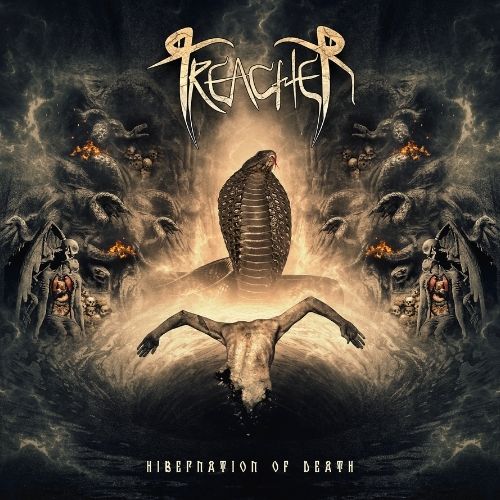
TREACHER - Hibernation of Death
Old-school influences meet modernity in a strong debut.
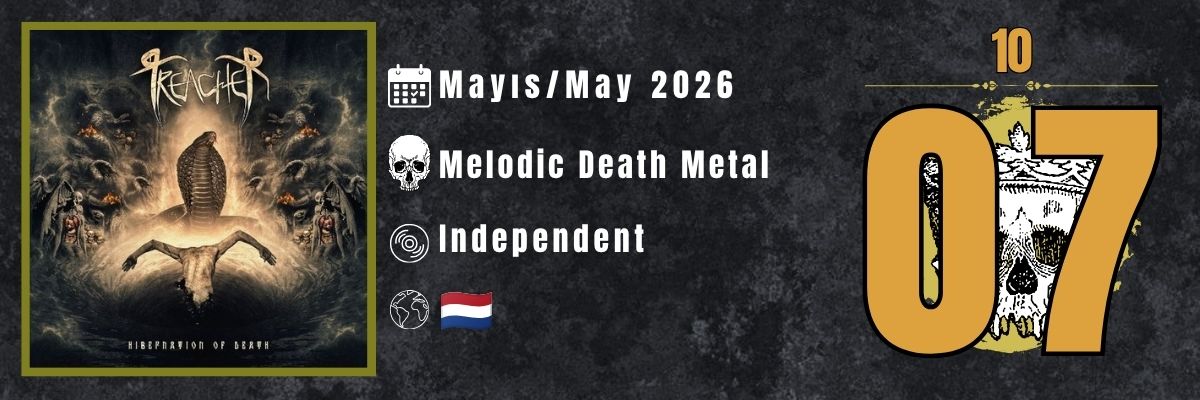
Hailing from The Hague, the Netherlands, TREACHER brings together elements from different eras of Thrash, Black, and Melodic Death Metal within a single riff-centered framework. With “Hibernation of Death,” the band reshapes the melodic and rhythmic legacy of 2000s Melodic Death Metal through an old-school Thrash and Black Metal vocal approach. Yet the album’s real character emerges not from placing these influences side by side, but from bringing them together on common musical ground through tempo changes, shifts in weight, and guitar-centered arrangements.
The central idea shaping TREACHER’s “Hibernation of Death” is less about expanding the boundaries between genres than about compressing riffing approaches from different eras of Thrash, Black, and Melodic Death Metal onto the same compositional foundation. The guitars are the album’s defining element: sharp rhythm riffs, melodic leads, and shifts in weight that occasionally veer toward Groove Metal constantly redirect the songs through small but noticeable breaks. In particular, the way the rhythmic structures play with tempo prevents the songs from settling into a single speed. In this respect, “Hibernation of Death” is a debut that combines the aggressive riff discipline of traditional Thrash Metal with the more controlled and melodic approach of 2000s Melodic Death Metal.
Two distinct eras clearly intersect in Marc Faber and Claus Toet’s guitar work. Some riffs evoke the Björler school associated with THE HAUNTED and AT THE GATES, placing melody within the rhythmic backbone, while other passages lean toward the more direct and weighty rhythmic patterns of THE FORSAKEN’s approach from the first half of the 2000s. TREACHER, however, does not leave these references at the level of imitation; at times, the band slows the tempo to increase the weight of the riffs, then brings in lead guitars to expand the melodic layer of the songs. The result is less an update of the classic Melodic Death Metal formula than a reworking of a 2000s-centered aesthetic through Thrash and Black Metal influences.
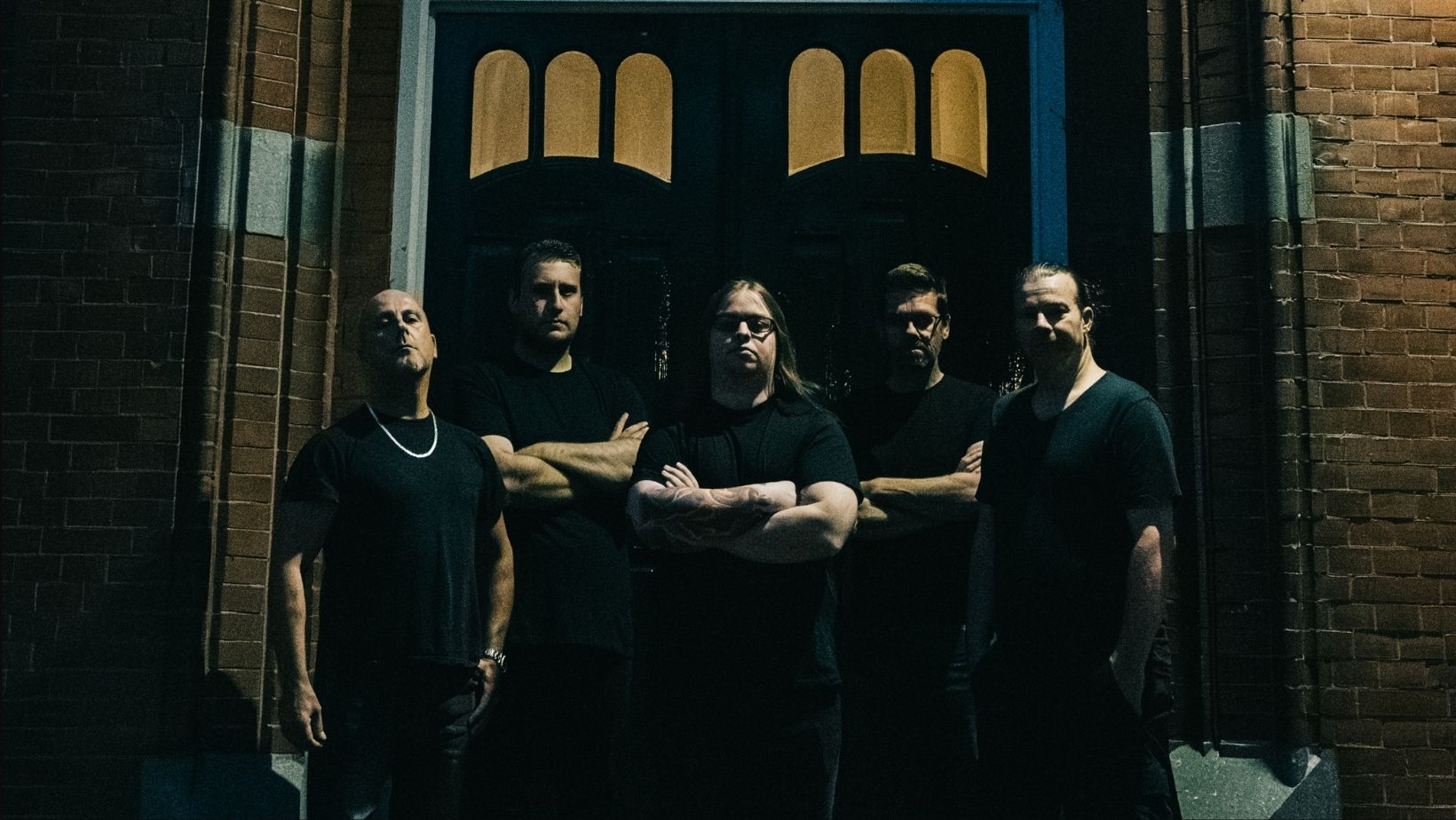
The rhythm section expands the range of movement within this framework. Donovan Knetemann’s drumming serves to maintain the songs’ energy, particularly through tempo changes, while the shift toward straighter, more punishing beats in certain passages brings out the guitars’ Groove Metal tendencies. These transitions are among the album’s most effective arrangement choices, because rather than simply stacking fast riffs one after another, TREACHER also shifts the center of gravity through rhythmic intensity. The distinctly dry and metallic character of the snare tone is the production-side counterpart to this approach. Although the drums have a clean, high-definition presentation, the material might have benefited from a slightly warmer and more organic mix, particularly given the weight of the guitars in the low and mid frequencies.
Rob aan ’t Goor’s vocals are another element that most clearly brings the album’s old-school side to the foreground. His performance draws on the sharper, rawer vocal tradition of Thrash and Black Metal, creating a deliberate contrast with the Melodic Death Metal character of the guitars. This vocal approach can initially seem somewhat detached from the more modern production of the rest of the album; however, with repeated listens, it begins to establish a more natural relationship with the aggressive rhythmic structures of the songs. The choice may not be equally convincing to everyone, but the character of the vocals is one of the key elements defining the album’s transitions between genres.
Mark Pilk’s bass work, while remaining behind the guitars in the mix, occupies a position that supports the compositions’ sense of weight. Given the album’s overall approach, allowing the bass a more independent melodic role could have added further depth to the sound, particularly in sections dense with melodic guitars. Even so, the existing arrangement makes it clear that the band’s priority is less about bringing individual instruments to the forefront than about creating a tight, guitar-centered wall of metal.
One of TREACHER’s most notable qualities emerges at this point: “Hibernation of Death” does not position itself as an attempt to define a new subgenre. Instead, it reworks several metal languages that have by now become rooted in a historical period, combining the Thrash Metal aesthetics of the ’80s and ’90s with the riffing and harmonic approach of 2000s Melodic Death Metal. The sense of nostalgia heard in the initial source texts, therefore, does not stem from the production alone. The construction of the riffs, the vocal approach, and the use of lead guitars are all deliberately tied to the vocabulary of a particular era of metal.
At the same time, the album’s modern side is not limited to achieving a cleaner recording. The tempo changes and rhythmic passages that drift toward Groove Metal prevent the old-school references from becoming a straightforward reproduction. That said, not all of these ideas are developed to the same extent. The Groove influence largely remains a tool for increasing the weight of particular riffs, while the Black Metal elements are primarily felt through the vocals and certain guitar characteristics. As a result, the fusion of genres creates less of a radical structural transformation than a layering of elements drawn from different eras around an existing Melodic Death Metal backbone.
The visual identity and the way the band defines itself also run parallel to this musical direction. TREACHER explicitly emphasizes its role as a bridge between the “old school” and the “new school,” and the music on the album genuinely carries that duality. Here, modernity means less abandoning traditional genre formulas than presenting them again through a tighter performance and a clearer production approach. For that reason, the central claim of “Hibernation of Death” is built more around execution and synthesis than innovation.
“Hibernation of Death” offers a musical map that will be easy to follow, particularly for listeners who still regard the 2000s strain of Melodic Death Metal as a living point of reference. But the album’s value lies not merely in reminding the listener of familiar names; it lies in TREACHER’s ability to keep these influences within the same framework alongside Thrash and Black Metal vocal traditions, tempo shifts, and Groove-oriented rhythms. The album does not rewrite the genre’s existing vocabulary; it makes several of its older dialects speak in the same sentence. For that reason, “Hibernation of Death” should be regarded as a debut that does not simply repeat the formulas of the past, but rearranges them through a cleaner, tighter, and at times heavier production approach.

https://treacherband.bandcamp.com/