Album Review
Yoth Iria - Gone with the Devil
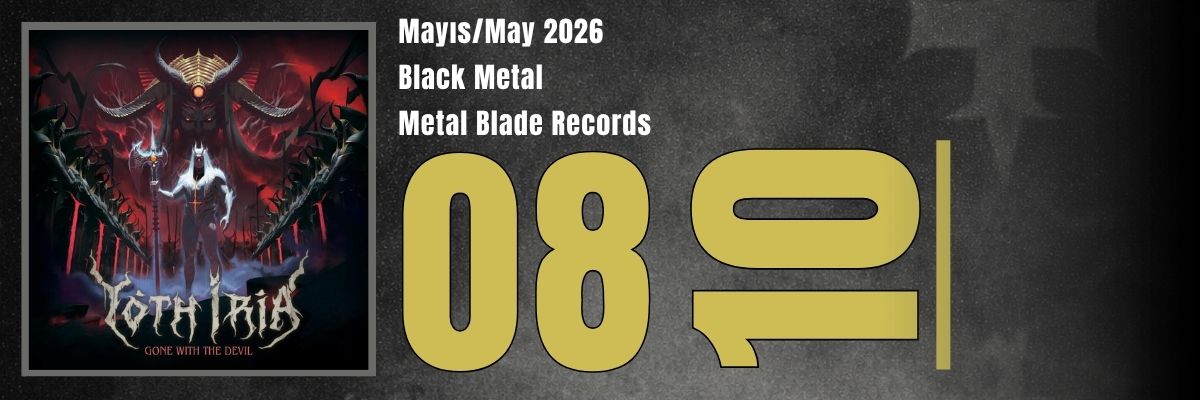
Greek black metal outfit YOTH IRIA make a strong return with their third full-length, “Gone With The Devil,” following a two-year silence that thankfully didn’t keep fans waiting too long. The band does not abandon black metal’s traditional harshness on this record, yet it no longer treats it as the central pillar of its identity either. The core transformation felt throughout the album lies in how the riff writing is now directed less toward generating aggression and more toward creating atmosphere and dramatic elevation. Tremolo melodies, blast beats, and dark harmonies are still present; however, they no longer function as the primary driving force behind the songs, instead serving as tools used to construct a more epic and melodic framework. The true backbone of the album is formed by heavy metal-rooted guitar harmonies, expansive choral arrangements, and a remarkably accessible sense of chorus writing.
This shift becomes especially clear with the opening track, “Dare To Rebel.” The song quickly moves from its ritualistic choir-led introduction into melodic heavy metal riffs and collective vocal arrangements that verge on a pagan metal aesthetic. What stands out here is that YOTH IRIA do not use folk elements as superficial ornamentation. Flute-like melodic transitions and tonal choices evocative of Mediterranean folklore directly shape the flow of the riffs; instead of cycling through straightforward black metal patterns, the songs gain a more dramatic, layered sense of movement. As the album progresses, however, the dual nature of this approach also becomes apparent: while the band’s music sounds bigger, more cinematic, and more memorable, the harsh and restless character that distinguished their earlier work occasionally slips into the background.
“The Blind Eye Of Antichrist” is one of the album’s most successful examples of balancing these opposing tendencies. Built upon a melodic backbone derived from the Serbian Orthodox hymn “Pobedna Pesma,” the track combines blast beats and a children’s choir to create something theatrical without losing control of itself. YOTH IRIA manage to generate intensity here without falling into symphonic black metal clichés because the dramatic elements are directly tied to the rhythmic motion of the composition itself. The track does not merely aim to sound “epic”; it establishes a genuinely layered tension. The same quality can also be felt in songs such as “Woven Spells Of A Demon” and “The End Of The Known Civilization.” Drummer Vongaar’s performance in particular becomes one of the structural cornerstones of the album’s dramatic character. Rather than using blast beats simply as a perpetual speed mechanism, he treats them as dynamic tools that emphasize transitions; the tom runs and groove-oriented shifts significantly expand the cinematic feel of the material.
At the same time, the album’s pursuit of accessibility does not always produce equally convincing results. “3AM” merges a modern groove metal approach with a gothic heavy metal sensibility, but its PARADISE LOST-like rhythmic sway pushes the band’s black metal identity considerably into the background. The song’s polished and easily digestible melodic structure sounds professional, yet for precisely that reason it fails to leave the same lasting impression as the album’s more distinctive moments. A similar issue appears in “Once In A Blue Moon.” Although the track locks into a strong mid-tempo groove, the overly safe chorus writing weakens the song’s tension. YOTH IRIA succeed in being melodic here, but they never push those melodies toward anything genuinely risky or transformative.
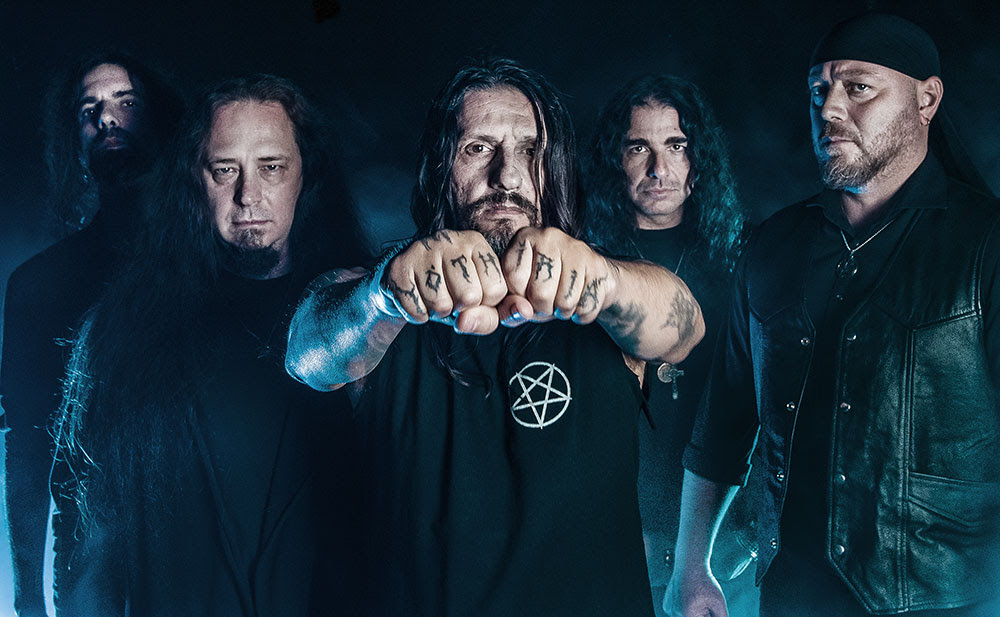
One of the album’s most striking aspects is its production philosophy. Rather than embracing the sterile and overly compressed mix approach so common in modern extreme metal recordings, the band opts for a warmer, more open, and breathable sound. Although the rhythm guitars are pulled slightly back in the mix, this decision creates significant room for the album’s choral layers and lead guitar harmonies. The dual guitar work of Nikolas Perlepe and Naberius becomes especially important in this regard; the transitions they establish between classic heavy metal-inspired melodic solos and black metal tremolo lines largely define the album’s character. Jim Mutilator’s bass work, meanwhile, functions as far more than simple frequency support. Particularly during the mid-tempo passages, the rounded tone he adds beneath the riffs becomes a crucial component in enhancing the album’s overall sense of warmth.
HE’s vocal performance also plays a major role in supporting the band’s shift in direction. He does not completely abandon harsh black metal vocals, but rather reduces them from a permanently dominant presence into a tool for dramatic emphasis. Choral arrangements, whispers, and semi-theatrical vocal layers frequently enter the picture. At times, this approach yields genuinely impressive results; at others, it causes the band to sound overly calculated and tightly controlled. The desire to create “big moments,” particularly within certain choruses, pushes the album closer to a carefully designed modern dark metal production than to a spontaneous extreme metal record.
The real question here is not whether YOTH IRIA are expanding the boundaries of black metal, but how much of their original identity they manage to preserve while doing so. “Gone With The Devil” is certainly not a nostalgic Hellenic black metal album. At times, it even edges so close to a modern melodic metal aesthetic that it noticeably sands down some of its own darkness. Yet the band’s compositional approach never becomes entirely generic either. The guitar harmonies in particular, alongside the band’s ability to construct dramatic momentum, separates the album from the disposable and quickly forgotten wave of contemporary melodic extreme metal releases.
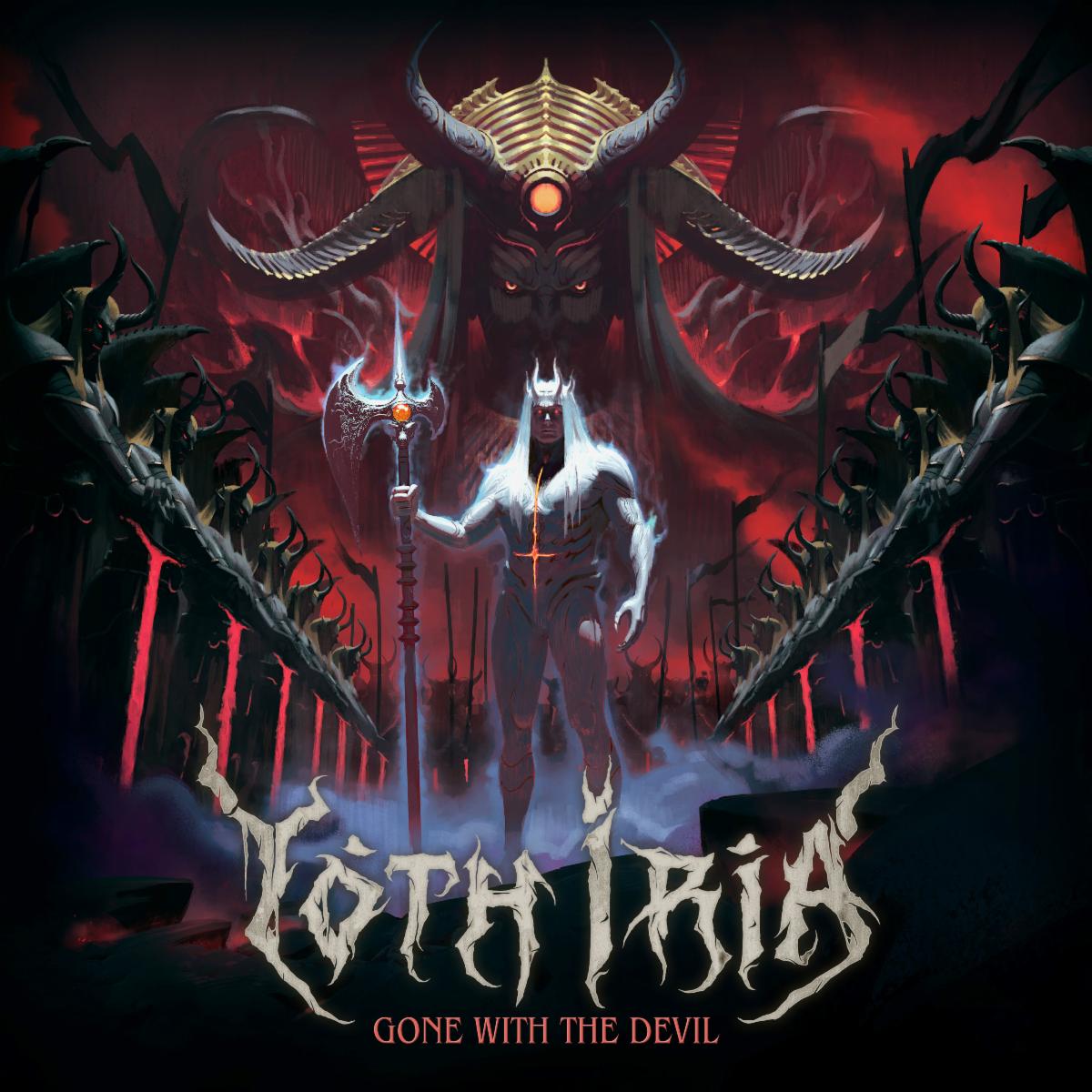
The cover artwork and overall visual aesthetic also reflect the album’s musical direction with precision: mystical without becoming excessively ornate, ritualistic without slipping into kitsch. YOTH IRIA no longer position themselves within the purity of traditional black metal; instead, they construct a hybrid form moving somewhere between epic dark metal and melodic extreme metal. “Gone With The Devil” stands as the clearest expression of that transformation. At times the album makes overly safe choices, occasionally sacrificing the weight of its harshness in favor of melodic grandeur, yet it does so consciously and in service of a specific aesthetic goal. As a result, the record does not function as some radical manifesto intent on tearing apart the boundaries of black metal, but rather as the controlled shift in direction of experienced musicians seeking to open their sound to a broader audience without fully denying their roots.
OZY